
Packard car cover may sound like just a simple cover, but for fans of classic Packard models it is the simplest way to keep a car shining and preserve its value every time you pull the cover off. Many owners think that simply parking the car in a garage or a breezy spot is enough. Yet in the morning they often see dried water marks on chrome trim, a thin layer of pollen dust on the leather seats, or an afternoon shaft of sunlight hitting the same spot on the wood dashboard again and again. These small signs warn that dull chrome, cracked leather and deteriorating fine wood are only a matter of time if the car is not properly protected.
This article will break down the common worries of Packard owners and offer solutions. We will quickly look at the Packard brand legacy and its iconic models, explain why “parking in an airy spot” can still hurt the car, lay out seven core principles for choosing and using Packard car cover, walk through a safe 60 second cover on and off routine and suggest where to buy high quality Packard car cover in the United States. The goal is to help your classic Packard always be ready to shine and to preserve the beauty of its chrome, leather and fine wood just like it had at the beginning.
Related Articles: Opel car cover: the solution for cars that are often parked outdoors
Packard - a luxury legacy that deserves proper protection
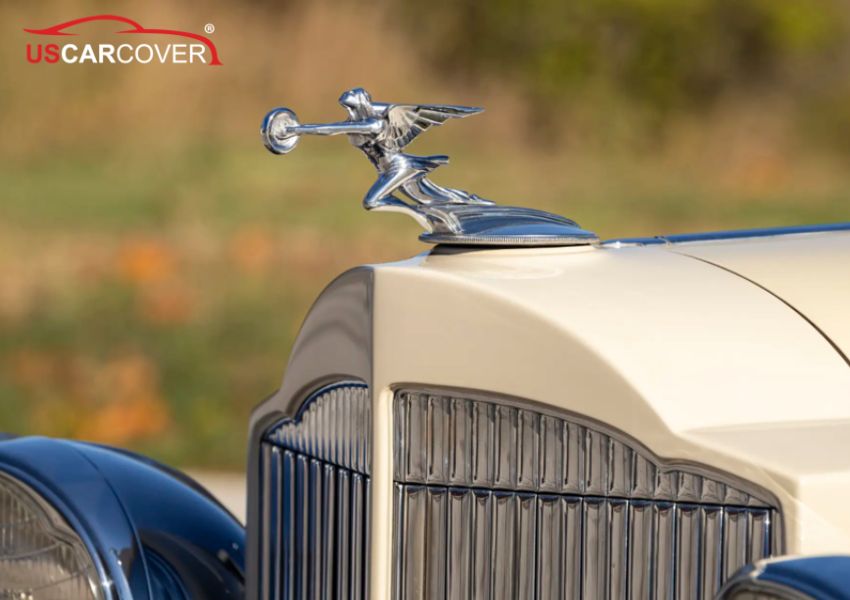
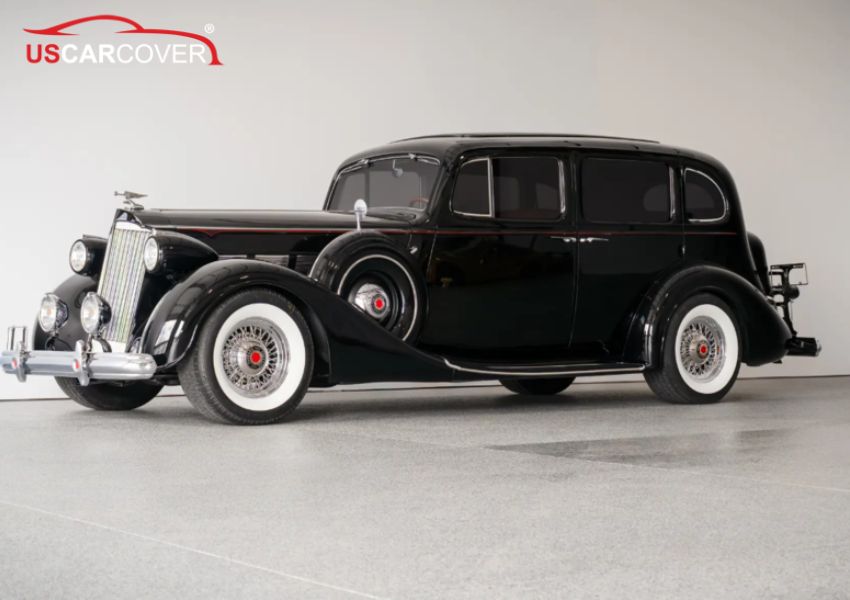
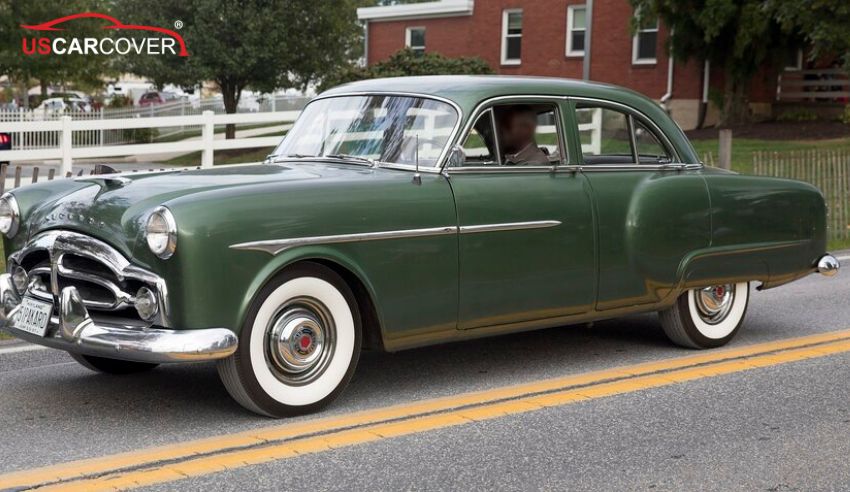
A Packard does not only look beautiful when it is driving. It looks beautiful even standing still. The classic silhouette parked under a porch, the big chrome grille sparkling in the morning sun, the leather and wood interior showing through the glass, all of that expresses the class of a mechanical masterpiece.
A Packard does not only look beautiful when it is driving. It looks beautiful even standing still. The classic silhouette parked under a porch, the big chrome grille sparkling in the morning sun, the leather and wood interior showing through the glass, all of that expresses the class of a mechanical masterpiece.
That context makes it clear that what you are covering is not just a mass of metal but a piece of living history. A classic Packard deserves to be protected properly so that every line of chrome, every section of leather and every wood panel on the car can keep its spirit as close as possible to day one.
Related Articles: Oldsmobile car cover: keeping the value of a discontinued brand
Iconic Packard models and how they are used
Not every classic Packard is the same, so the way you care for and cover them also needs to be a bit different depending on the body style and how you use the car. Below are a few iconic Packard types still seen today and what usually happens to them in real life.
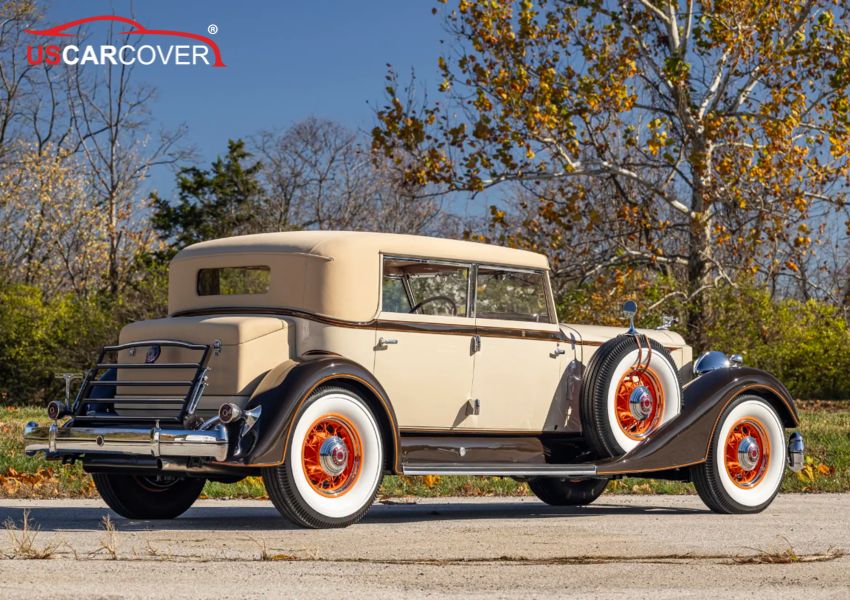
- Packard roadsters and convertibles: These are the “stars” at shows and weekend parades. Examples include the Packard Twelve Roadster of the 1930s or the Packard Caribbean Convertible of the 1950s. They turn heads with elegant open top bodies, rich two tone paint and a lot of sparkling chrome. Owners often keep these cars very clean and careful, taking covers off and putting them back on a few times each month to go to events. For convertibles, the full leather interior and soft top material both need special care in storage. Just one damp spell can lead to mold on the seats, musty smells in the top fabric or discolored edges on folded areas if moisture sits too long.
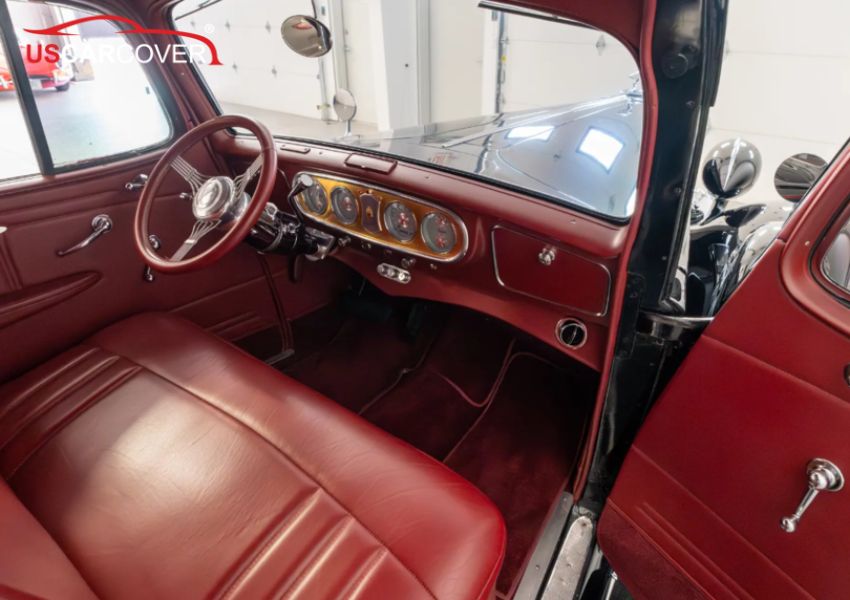
- Packard sedans and limousines: Luxury sedans like the Packard Super Eight or Packard Twelve Sedan carry a formal look with long bodies, a lot of brightwork on the grille, bumpers and window surrounds. These cars usually live in family collections and rarely serve as daily drivers. Their main challenge is not mileage but time spent parked. When they sit still for long periods, dust and ambient moisture can slowly attack the chrome, leather and wood. Chrome may become dull or spotted, leather dries and hardens and wood loses gloss. These sedans often have cabins trimmed in real leather or high grade fabric with wood cappings on the dashboard and doors, so they need a stable environment to avoid cracking, mold or fading.
- Packard Station Sedan “Woody”: The Packard Station Sedan from 1948 to 1950, often called the Packard Woody Wagon, is a rare and valuable variant with real wood panels along the body sides. This half wood, half steel styling creates a nostalgic “old America” feel but is very vulnerable to the elements. If the wood is left under strong sun it dries and cracks, and in damp conditions it can rot or blister. Owners of Packard woody wagons know just one rainy season or one hot summer without proper cover can push those birch panels past the point of easy repair. For them, a Packard car cover that fits properly is almost mandatory as insurance for both the exterior wood and the surrounding chrome trim.
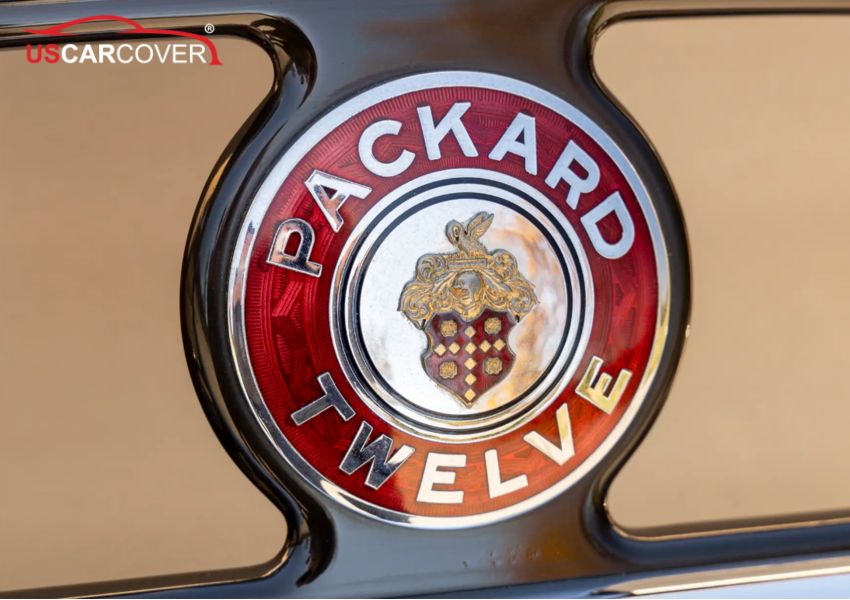
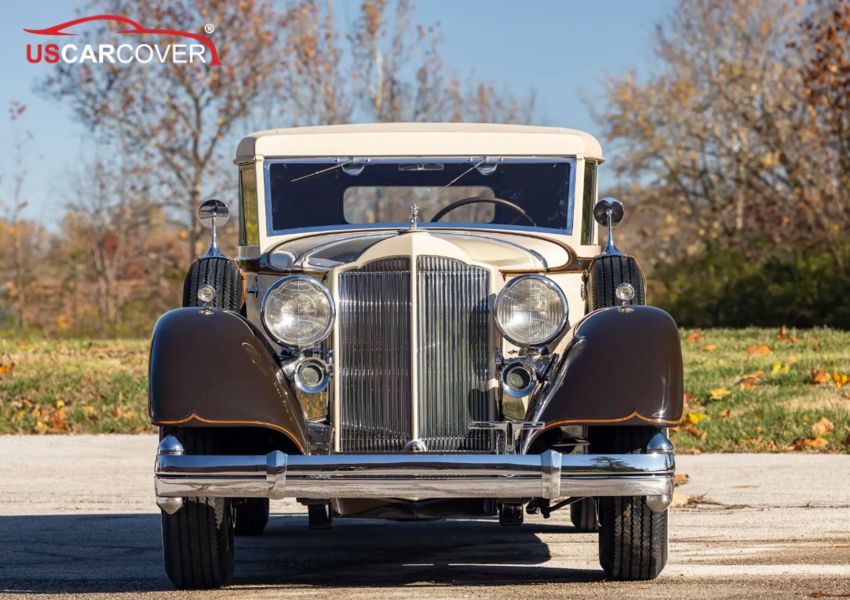
Whether your Packard is still in original unrestored condition or has been fully restored to show quality, the same covering philosophy should apply: a soft lining inside, breathable fabric outside and a fit that follows the shape of the car. Pay extra attention to classic Packard details such as the large grille, hood ornament, side mounted spare wheels on prewar cars and similar features. A cover tailored to your specific Packard will wrap properly around those shapes and avoid rubbing. That precise fit and correct material are what give every piece of chrome, every leather surface and every bit of wood the best possible protection.
Related Articles: Nissan car cover: the protective layer for Nissan sedans, CUVs, SUVs and pickups in the U.S.
Why “parking in an airy spot” still causes damage - real world situations
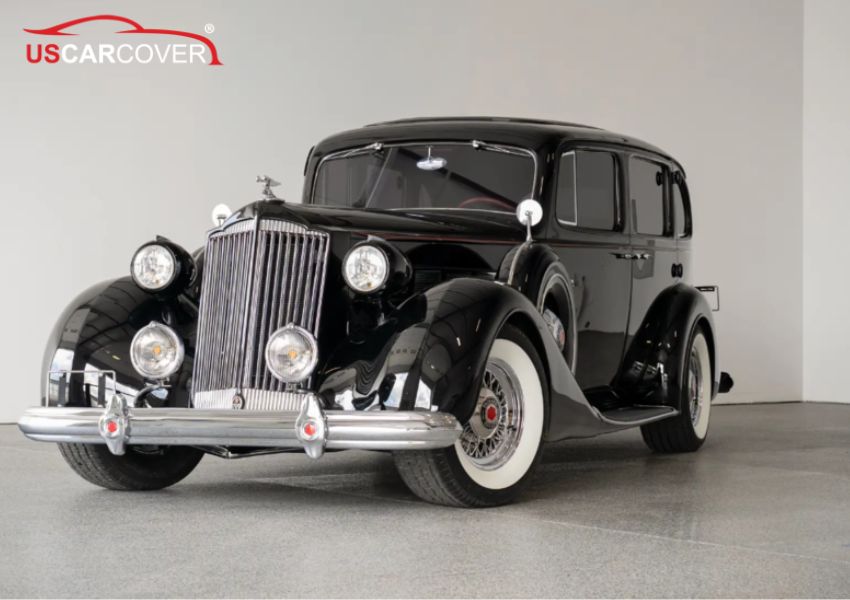
Many people assume that parking a Packard in a shaded, airy place is safe enough. In reality “airy for people” is not always “safe for the car.” A classic car parked under a porch, in a carport or in the backyard is still facing small repeated hits day after day that quietly add up and hurt chrome, leather and wood in ways the owner does not expect.
- Night dew and automatic sprinklers: In many suburban areas in the United States, lawn sprinklers or night dew can lightly mist the car each night. When the water evaporates, it leaves fine mineral deposits on the windshield, grill and bumper. Without any Packard car cover, those spots gradually dull and pit the chrome. Even if the car has a cover but the lining is rough or the cover is damp, that mineral residue can show up as faint halos exactly where the water hit and can leave stubborn marks under the right light.
- Night dew and automatic sprinklers: In many suburban areas in the United States, lawn sprinklers or night dew can lightly mist the car each night. When the water evaporates, it leaves fine mineral deposits on the windshield, grill and bumper. Without any Packard car cover, those spots gradually dull and pit the chrome. Even if the car has a cover but the lining is rough or the cover is damp, that mineral residue can show up as faint halos exactly where the water hit and can leave stubborn marks under the right light.

- Angled sunlight and dust in carports: Carports block direct vertical rain but they often let in sun from the side and windblown dust. Day after day, one corner of the hood or one side of the car can warm up under the same strip of afternoon sun while fine dust settles on the top of the cover or on bare paint if there is no cover. If the owner has a habit of covering the car while the engine is still warm or uses a cover with a dark inner lining, the mix of heat and dust can create slightly discolored areas on aged paint that only show under garage lights. At the same time, the interior of a Packard with a cabin full of wood and leather suffers from heat. Wood expands when hot and contracts when cool, and repeated cycles can crack veneers. Leather seats dry and stiffen, and if sunlight finds the same patch of seat or wood day after day, the fading is even more obvious.
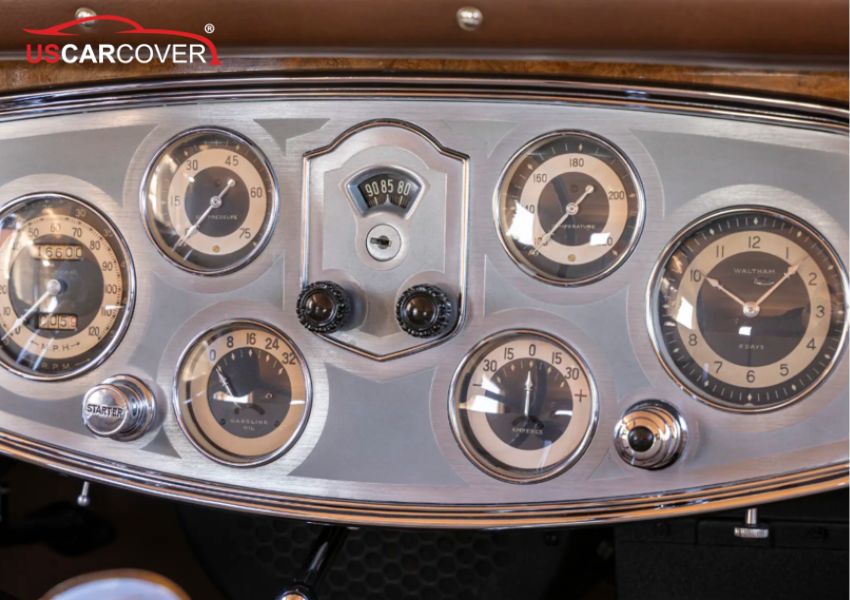
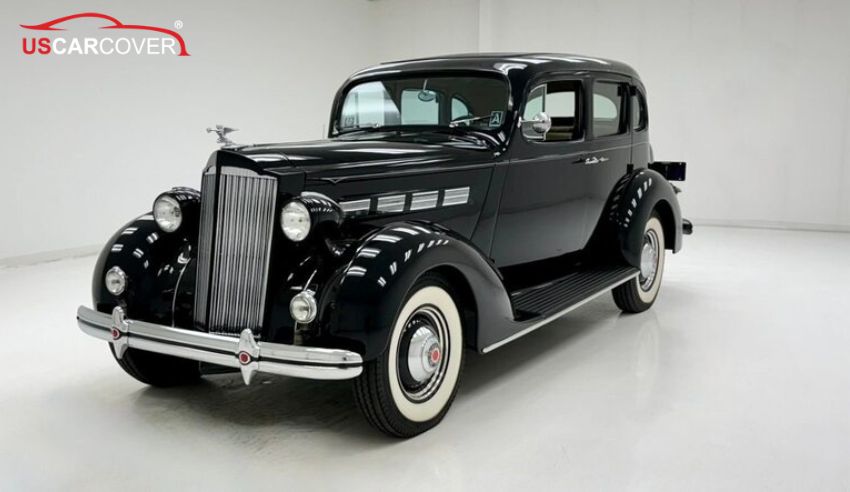
None of these forces destroy the car overnight. However after a few weeks or months, you start to see that the Packard is not as “fresh” as it was at first. Chrome is a bit less bright, leather a bit less soft and wood a bit less deep in color. This is the reason you need clear principles so that Packard car cover can truly do its job protecting the car without causing side effects.
Related Articles: Morris car cover: limit rust, water spots and scratches on classic bodywork
Packard car cover: 7 important principles to protect chrome, leather and wood that 90 percent of owners usually overlook
To make a car cover truly act like a soft suit of armor for your Packard, you need to follow a few usage rules. Here are seven key principles that many owners of classic cars tend to miss.
- To make a car cover truly act like a soft suit of armor for your Packard, you need to follow a few usage rules. Here are seven key principles that many owners of classic cars tend to miss
- Choose cover construction with a soft inner lining and breathable outer fabric: The inner lining should be a fine, smooth, light colored fabric that does not shed lint. The outer material should allow moisture vapor to escape instead of sealing everything like a raincoat. A common mistake is picking a cover that blocks water completely but does not breathe at all. That traps moisture and encourages mold on leather and stains on wood. For a classic car, breathing is more important than total waterproofing. The car does not need to be wrapped in a plastic bag, it needs to be able to breathe so that natural materials like leather and wood are not constantly exposed to trapped humidity.
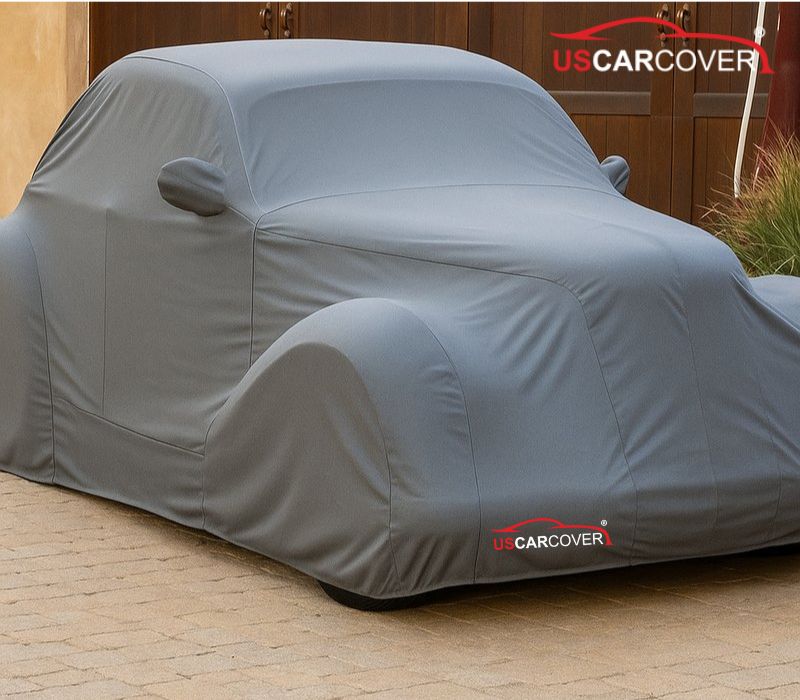
- Make sure the cover fits the shape of the car: Proper fit is critical. Packard cars often have large grilles, a lot of brightwork and sometimes side mounted spare wheels. If the cover is too large it will have extra fabric around these areas. Wind can inflate these pockets and the material will rub against sharp shapes such as hood ornaments, fender edges or the outer rim of spare wheels and cause scratches. A cover that is tailored to your specific Packard will remove excess fabric, hug the curves and minimize friction on every curve and corner.
- Make sure the cover fits the shape of the car: Proper fit is critical. Packard cars often have large grilles, a lot of brightwork and sometimes side mounted spare wheels. If the cover is too large it will have extra fabric around these areas. Wind can inflate these pockets and the material will rub against sharp shapes such as hood ornaments, fender edges or the outer rim of spare wheels and cause scratches. A cover that is tailored to your specific Packard will remove excess fabric, hug the curves and minimize friction on every curve and corner.
- Use soft tie downs and do not over tighten them in windy conditions: When parking outdoors in the wind, do not forget to secure the cover with straps or built in fasteners. Use soft straps and tighten them just enough to stop the cover from lifting, not enough to pull tight lines into the body. If they are too loose, the cover will flap hard against the sides of the car. The goal is a snug, smooth fit that does not puff or flap and does not add unnecessary friction.
- Wash and dry the cover regularly: A clean cover is a safer cover. If your car spends a lot of time outdoors, wash the cover every three or four weeks in mild soapy water, rinse thoroughly and dry it completely in a shaded, airy place. If the car lives indoors most of the time, you can extend the washing interval to six to eight weeks. Never put the cover back on when it is still damp, and do not let heavy dirt build up on it because that dirt will be pressed against the car every time you use the cover
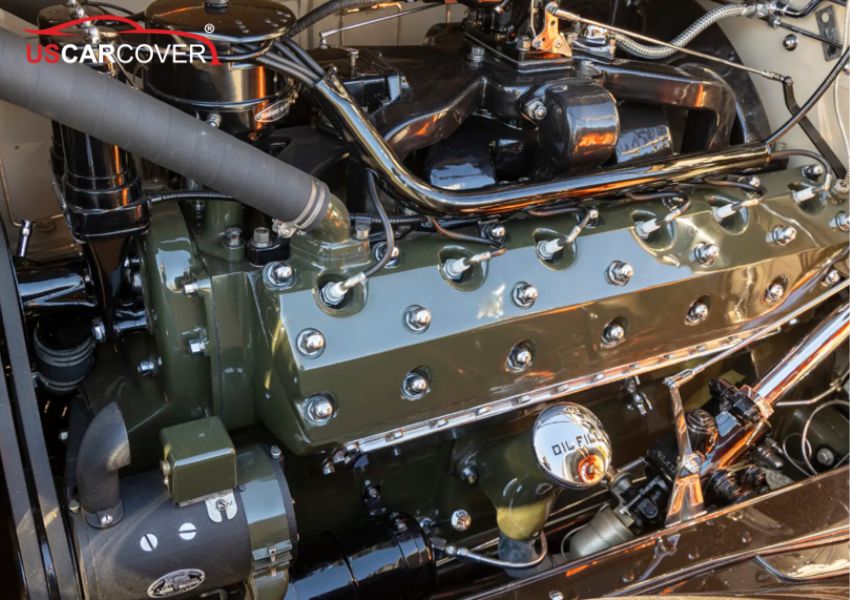
- Check sensitive spots once a month: Take a few minutes each month to inspect five sensitive areas on the car, since these tend to show early signs of trouble if something is wrong with your cover routine. On a classic Packard, those are the hood ornament, the chrome grille and bumpers, the fender edges around any side mounted spare wheel, the leather seats or carpeted floor and the wood panels on the dashboard or door tops. If you see any haze, tiny spots, small cracks or strange smells in these places, that is your signal to act quickly before issues spread. Early detection means easier, cheaper fixes compared with letting problems grow.
Related Articles: Morgan car cover: protecting wood, leather and chrome over the years
Choose Packard car cover based on where the car “lives,” not just habit
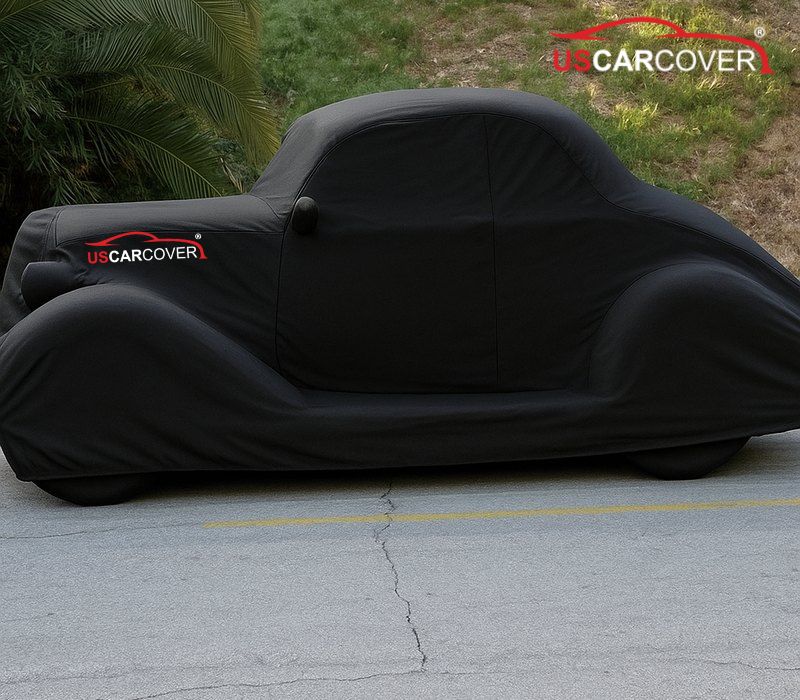
Every Packard lives in a different environment, so no single cover is perfect for everyone. Instead of buying whatever someone else used, choose Packard car cover based on where your car actually spends most of its time.
- If the car is under a porch with sprinklers and night dew: Prioritize breathable fabric that dries quickly. Breathable material lets night moisture escape so it does not sit on chrome or behind leather and wood. Look for an outer layer that sheds light water but is not sealed with plastic. At the same time, check chrome often for mineral spotting and adjust sprinkler times or direction to keep fine mist off the car as much as possible.
- If the car is under a tree that drops sap or heavy pollen: Choose a cover with a smooth outer face that sheds debris easily when shaken out. The lining should be very soft, such as a thin fleece or fine brushed fabric, so that frequent on and off during heavy sap and bloom seasons does not scratch the paint. In high sap seasons, increase your washing schedule and clean the cover every two or three weeks so sap and pollen do not build up.
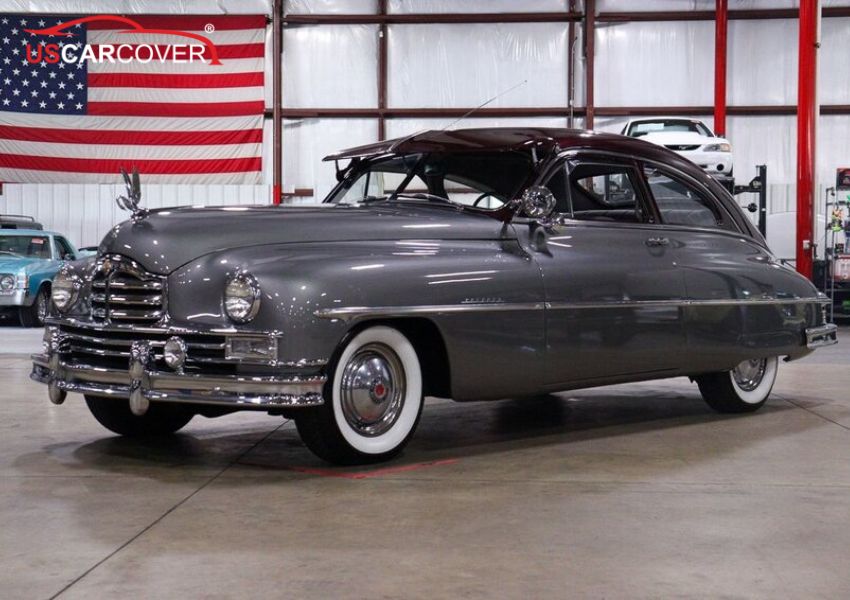
- If the car is in a carport with angled sun and light wind: Look for a very breathable cover with modest heat reflection. Multi layer light colored fabric or a cover with a lightly reflective outer layer can cut down heat under the cover. Fit becomes more important in a carport. The cover should hug the car from bumper to bumper and often needs soft straps at both ends to prevent billowing. A loose cover in a breezy carport will act like a sail and fan dust against the car.
- If the car is in a humid coastal area: Salt in the air is tough on chrome and steel. Choose a cover material that washes easily and dries fast, because you will need to rinse salt off the fabric often. Avoid very thick materials that stay damp. Before covering the car for long periods, wipe all brightwork dry and apply a thin coat of wax to the chrome to give it a sacrificial shield against salt. Wash the cover every two or three weeks to remove salt. Some higher end covers offer special linings or can be used with desiccant packs, which can help in coastal climates.
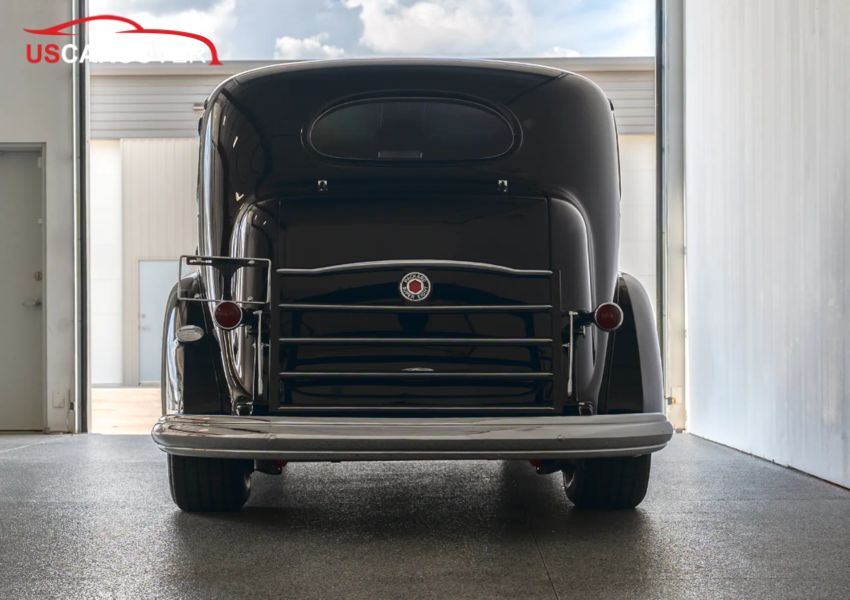 The simple way to think about it is that where you park decides what cover you need. Do not buy a cover just because it works for another owner. Look at where your Packard actually “sleeps” and choose the type and construction of Packard car cover that match that environment. A cover matched to the real world conditions will protect the car much better than a generic one that is only “good on paper."
Related Articles: Mobility Ventures car cover: keep body panels, low floor and sliding doors like new
Where is the best place to buy quality Packard car covers?
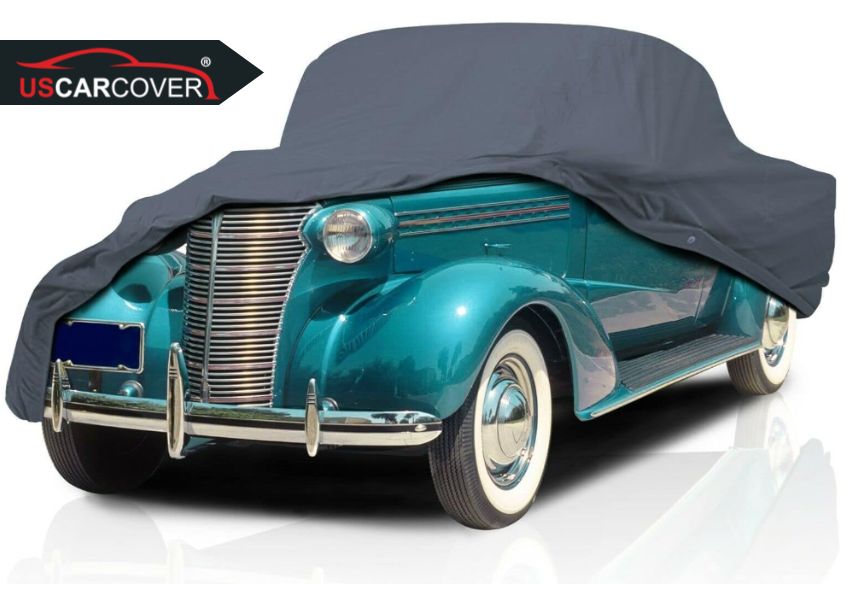
There are many car covers on the market, but not all of them are worthy of protecting a valuable classic Packard. To feel truly secure, you should look for a reputable supplier that specializes in high quality car covers for classic vehicles. In the United States, US Car Cover is one of the trusted names many classic car owners turn to when they need a dedicated Packard car cover.
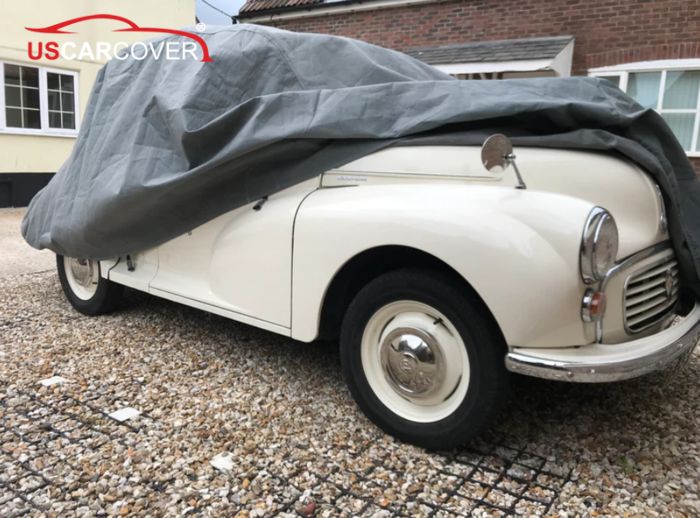
USCarCover understands the special nature of different classic models, including many Packard variants, so its products are designed and sized specifically for each model. You can find covers matched to your particular Packard from 1930s roadsters to 1950s sedans so that the cover fits correctly around key details such as the grille, classic mirrors and any side mounted spare wheels. The materials USCarCover uses are carefully selected. The inner lining is extremely soft and smooth to be gentle on paint and chrome. The outer layers are breathable and water resistant to keep leather and wood from mold while also blocking UV to protect paint. Durability and real world protection have been proven through positive feedback from the classic car community in the United States.
Related Articles: Mitsubishi car cover: the protective jacket for Mitsubishi CUVs, SUVs and sedans
USCarCover understands the special nature of different classic models, including many Packard variants, so its products are designed and sized specifically for each model. You can find covers matched to your particular Packard from 1930s roadsters to 1950s sedans so that the cover fits correctly around key details such as the grille, classic mirrors and any side mounted spare wheels. The materials USCarCover uses are carefully selected. The inner lining is extremely soft and smooth to be gentle on paint and chrome. The outer layers are breathable and water resistant to keep leather and wood from mold while also blocking UV to protect paint. Durability and real world protection have been proven through positive feedback from the classic car community in the United States.
Buying the right cover from the start helps you save money in the long run. You avoid wasting money on covers that do not fit or do not breathe properly and you protect the value of your Packard over time. With USCarCover, you can confidently choose the “armor” that will quietly guard your car. Let a quality Packard car cover from USCarCover become the silent protector so that every time you lift it, your beloved Packard still looks stunning and proud, just the way it should.