
Morris car cover may sound like just an old car dust cover. But for anyone who owns a Morris Minor, Morris Oxford or other classic Morris models in the United States, it is actually the armor that decides whether the car will still look like a collectible 5-10 years from now or end up as a shell dotted with rust, water stains and scratches. Morris was one of the most important British car brands of the 20th century, with models like Morris Minor and Morris Oxford once serving as “people’s cars” in Europe and later becoming sought after classics in many countries, including the U.S.
The problem is that most Morris cars currently running in the U.S. are several decades old. They have old steel bodywork, old paint and moisture-trapping cavities, while the American climate is extremely harsh on classics: hot summers, snowy winters, road salt, acid rain, pollen, dust and tree sap. If you leave a Morris “naked” in those conditions without Morris car cover protection, rust, water spots and scratches are only a matter of time. In this article we will take it slowly and carefully analyze:
- Why classic Morris cars are especially prone to bodywork deterioration.
- The specific pain points of Morris owners in the U.S. when rust, stains and scratches appear.
- How Morris car cover directly addresses these problems.
- Where to buy quality Morris car cover for the U.S. market.
- And finally, why you should start protecting your car now instead of waiting for the first rust spot to show up.
Related Articles: Morgan car cover: protecting wood, leather and chrome over the years
What is special about classic Morris and why is the body so easy to degrade?
To understand why Morris car cover matters so much, we first need to look at the nature of classic Morris cars. They are the products of a different era, using different materials and technology, built for a different environment. That is why, after “moving” to the United States, their bodywork is more vulnerable than that of a modern sedan.
The Morris legacy and the car’s real “age"
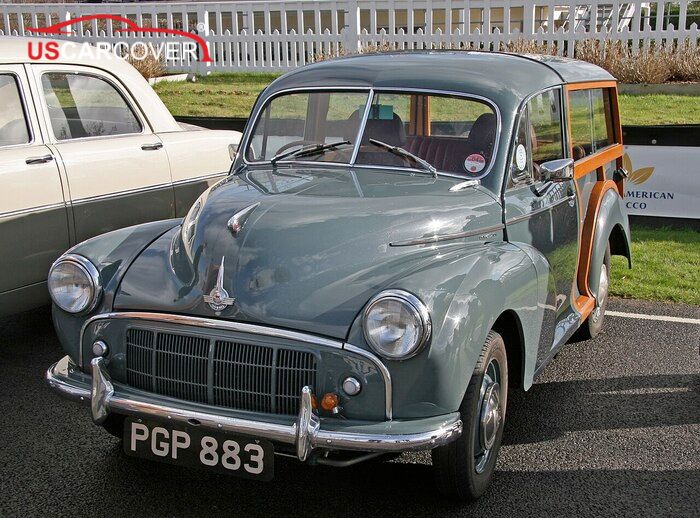
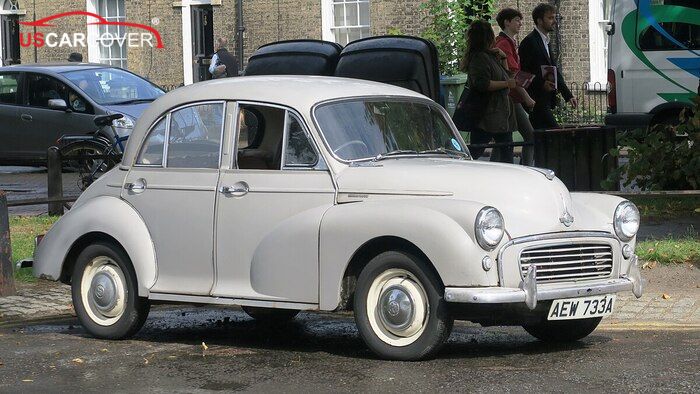
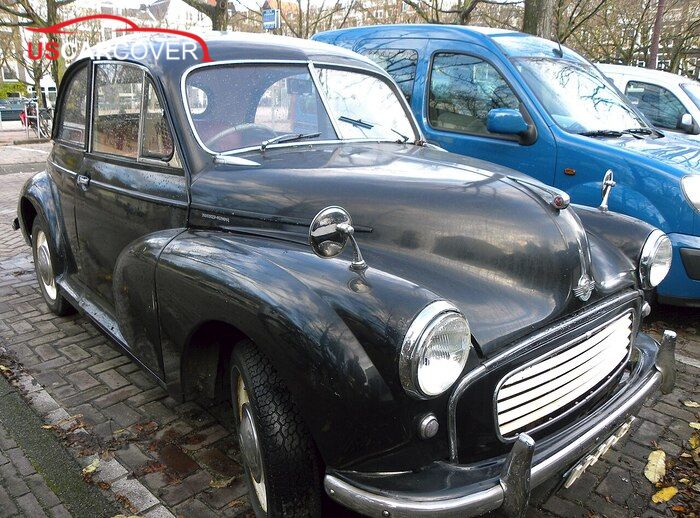
Morris Motors was founded in the early 20th century and quickly became one of the largest car manufacturers in Britain. Models like Morris Oxford and Morris Minor once accounted for a large share of all cars sold in the UK between the 1920s and 1960s. Some key milestones: Morris Oxford was first produced in 1913, and the name continued to be used for multiple generations up into the 1970s. Morris Minor was launched in 1948 and ended production in 1971, with more than 1.6 million cars built and becoming one of the icons of British family motoring.
This means that: Almost every Morris still on the road today is at least 50-70 years old. Many cars have gone through one or two restorations, resprays and patch repairs, but a lot of the structural steel and panels are still “original” from half a century ago.
When you look at your Morris in the garage, it might still appear shiny and bright. But under that paint there is old steel that has gone through decades of expansion, contraction, moisture and impacts, and it always carries a hidden risk of corrosion. Any environmental impact such as sun, rain, meltwater, salt and humidity hits a structure that is already “aged.” That is why classic bodywork is much more sensitive than modern metal, and why using Morris car cover regularly becomes so meaningful.
Related Articles: Mobility Ventures car cover: keep body panels, low floor and sliding doors like new
Old steel bodywork and built-in “rust traps"
Compared with modern cars, classic Morris models usually: Use steel that is not fully galvanized the way today’s cars often are. Have many cavities and hidden pockets inside the chassis, floor and wheel arches. Feature simple joint and seam designs at welds, folded edges, wheel lips, door bottoms, pillars and floor panels with fewer protective layers.
Enthusiasts who have owned Morris Minor and Morris Oxford for years often mention that their shells are full of potential “rust traps” in the sills, underbody, wheel arches, spring hangers, door bottoms, the base of A and B pillars, footwells and box sections. If you do not inspect regularly, rust tends to start inside and work its way out. By the time you see blistering or bubbling paint on the outside, the metal underneath is often already badly eaten away.
In the U.S. environment: In winter, snow and road salt mix into slush that is thrown up into the underbody, arches and door bottoms, then dries, repeatedly, for months. In wet seasons, dirty water, sand, soil and oil splash up into the underbody and get trapped in closed cavities if you do not wash thoroughly. In hot weather, high temperatures speed up every oxidation process.
If the car is left uncovered outdoors, without Morris car cover, the classic steel shell has to “fight” all of these factors alone. Over time, the rust traps that were already vulnerable become more dangerous.
Aged paint and thin coatings that are sensitive to UV and moisture
Even if your Morris has been repainted, that paint is still sitting on an old steel base and on surfaces that have been worked many times. If the car still carries its original paint, the story is even more delicate, because older paint: Has weaker UV resistance than modern coatings. Is more likely to crack or blister when exposed to rapid temperature changes. Is thinner and more easily attacked by tree sap, bird droppings and acid rain.
In U.S. conditions: Strong UV rays make paint fade, dry out and turn brittle. Acid rain, bird droppings and tree sap on a hot surface can leave deep, stubborn stains that are hard to polish out. Hard water from sprinklers or hoses can dry on the surface and leave visible rings and water spots.
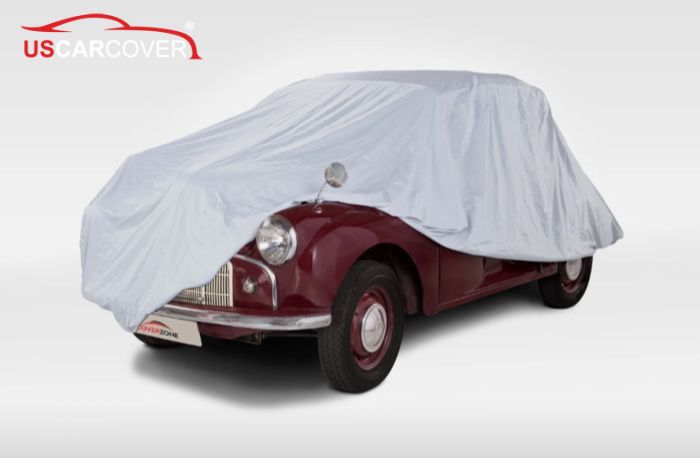
A good Morris car cover significantly reduces the amount of UV and dirty water hitting this already “old” paint directly. That is the simplest but most effective way to slow down the aging of the body surface.
Related Articles: Mitsubishi car cover: the protective jacket for Mitsubishi CUVs, SUVs and sedans
"Collectible car” mindset but “daily driver” habits
There is another challenge: most Morris owners in the U.S. see their car as: A weekend or show car. A sentimental car that carries a lot of emotional value. A collectible they plan to keep long term or pass down in the family.
But because life is busy, many of them actually treat it like a normal car: It still sits on the driveway because the garage is full. They skip covering it because “I will drive it again tomorrow". They think, “It is a classic, it is supposed to show some age,” so bodywork protection is not at the top of the list. This gap between “love” and “habit” is what makes many Morris cars deteriorate much faster than their owners expect. And that is why we need to talk in detail about Morris car cover in the next sections.
Related Articles: Mini car cover: compact like your Mini, but offers complete protection
Pain points of Morris owners in the U.S.: rust, water spots and scratches on classic bodywork
When you talk to people who have owned Morris cars for many years, you will hear the same lines over and over: “If only I had covered it from day one,” “If only I had not left it outside all winter...” The pain of owning a Morris usually revolves around three issues: rust, water spots and scratches.
Rust quietly eating away at every panel
Rust is the biggest fear for any classic car, but on Morris models it is even more frightening because the shell already has so many weak spots. The areas most likely to be attacked include: Sills, underbody and front and rear wheel arches. Door bottoms, the base of A and B pillars. Footwells and areas around the pedals. Box sections, crossmembers and wheel housings.
If you do not use Morris car cover, then every winter you are letting the car: Take full hits from snow melt mixed with road salt. Sit with that dirty water on panels where it runs into seams and cavities. Let that water dry and leave salt and gunk behind in closed sections.
Every wet season you give the body another long soak. And every hot season you speed up the oxidation process.
The result: At first you may only see a few small paint bubbles or tiny brown marks at the edge of a wheel arch. A few years later, when you tap the panel you may hear a hollow sound, a sign that the steel has thinned and rusted from the inside. By the time you take the car to a body shop, the technician tells you that they need to cut out and weld in an entire section, not just do a light surface repair.
Rust repairs on classic Morris cars are rarely cheap: panels must be removed, rotten areas cut out, new pieces fabricated, rust proofing done and then full repainting of larger areas, sometimes the entire car. This is exactly the kind of expense that many owners later say they could have reduced if they had invested in Morris car cover earlier.
Related Articles: MG car cover: sun, rain and city dust protection to keep paint and interior looking new
Water spots and streaks that kill the “collector car” look
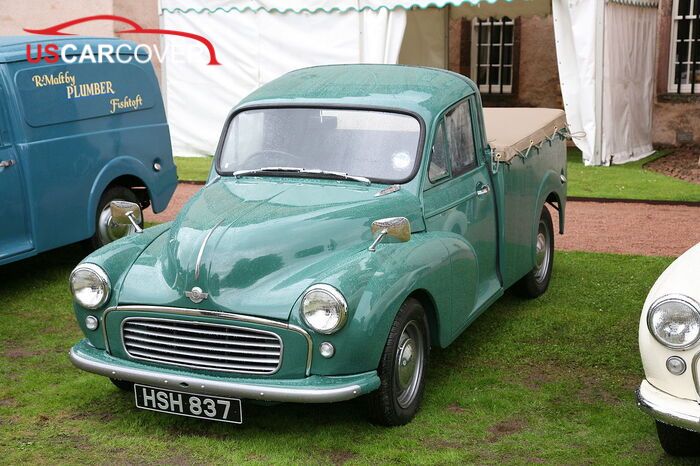
Not every form of damage is as serious as rust. Often it is “just” water rings, dried droplets after rain or streaks running from the windshield down the hood. But on a classic car, those little things make the whole car look under cared for. In the U.S., sources of water staining on a Morris are everywhere: Rain that carries dust, minerals and industrial pollution. Melting snow mixed with salt and de-icing chemicals. Hard water from lawn sprinklers or pressure washers.
Without Morris car cover, every rainstorm, snow event and sprinkler cycle is another soaking. If you do not have time to dry the car immediately, the water evaporates and leaves behind: White rings and cloudy marks on the hood, roof and trunk lid. Long streaks where water has flowed from glass, antennas and badges. Dull patches on the paint surface that are difficult to remove completely with simple washing.
Over time, these water spots: Strip away the clarity and depth of the paint. Make the car look more like a “used daily driver” than a “cherished collectible". Directly affect how potential buyers perceive it when you go to sell or trade.
Many owners say that when they compare photos from the day they bought the car to current shots after a few years parked outside without Morris car cover, the change in paint quality is obvious, even though they have been washing the car fairly often.
Micro scratches building up: the quiet killer of gloss
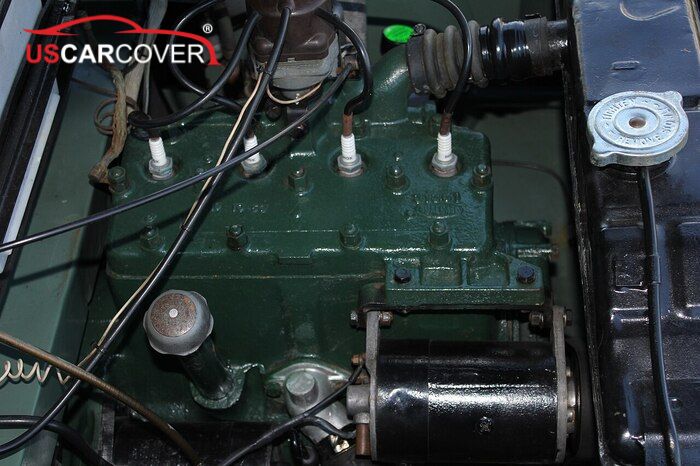
Scratches on classic cars are like wrinkles on a face: one or two can be charming, but once there are too many, the overall character changes. Common sources of scratching when you do not use Morris car cover: Dust and grit on the paint that get rubbed in when you dry the car, throw an old blanket over it or wipe it down in a hurry. Light bumps in the garage: box corners, bicycles, garage doors and door handles. Falling leaves and small branches when parked under trees. Pets jumping up onto the hood or roof to lie down, leaving claw marks.
The older paint on a Morris shell is already soft and aged, so: It is very easily marred by tiny sand particles caught between cloth and paint. It develops swirl marks quickly if you wipe or polish with imperfect technique. Every micro scratch reduces the mirror gloss, making the car look hazy and “flat” in direct sun.
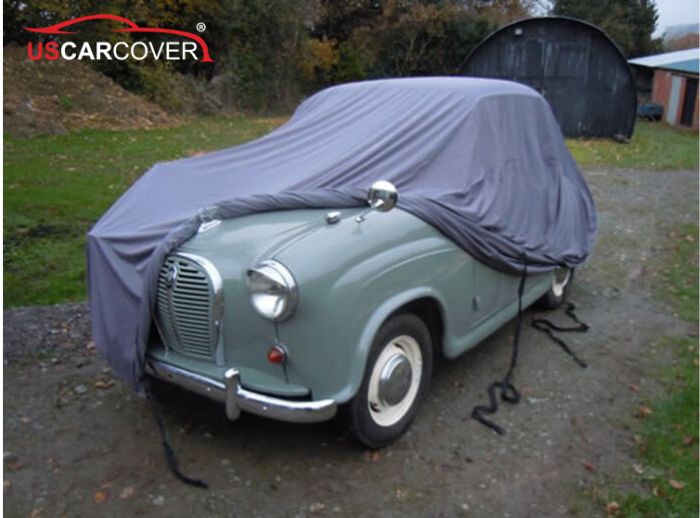
With Morris car cover that has a soft inner lining and is used correctly, the body gains a second skin: It becomes a buffer between the paint and minor contact in the garage. Pets and small falling objects hit the cover first rather than the paint. You feel less pressure to wipe off dust constantly, reducing scratch risk.
Instead of letting every small bump and brush show up on your classic paint, the cover absorbs and hides many of them.
Related Articles: Mercury car cover: preserving the value of a discontinued brand
Impact on the financial and emotional value of the car
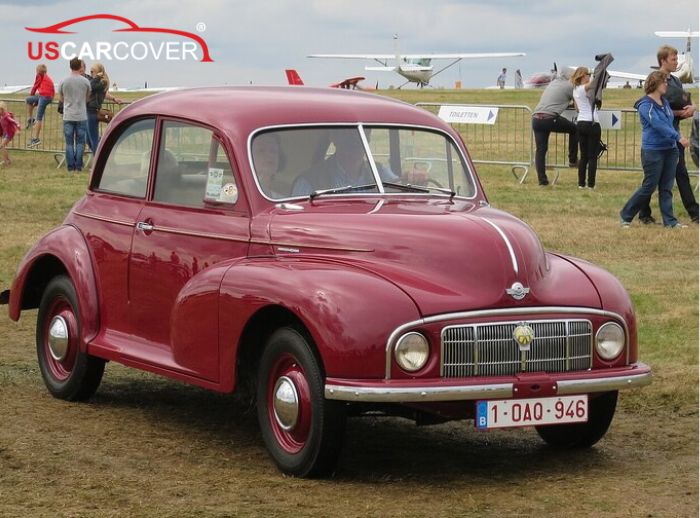
A classic Morris is not just a hobby; it is also an asset. Many owners: Buy a Morris as a long term investment. See it as a tangible copy of childhood memories or family stories. Hope to keep it nice enough to sell later, move up to a rarer car or simply avoid seeing it “age badly".
Rust, stains and scratches do not only hurt your eyes every time you look at the car. They also: Make restoration costs rise sharply if you leave problems for too long. Force body shops to use more invasive repairs that remove some of the car’s originality. Give potential buyers a reason to negotiate hard, because they have to budget future bodywork.
This is why most classic car enthusiasts and rust prevention specialists recommend using a good quality, breathable car cover, especially for storage and long term parking. For a classic Morris in the U.S., that solution has a very specific name: Morris car cover.
Where should you buy a quality Morris car cover
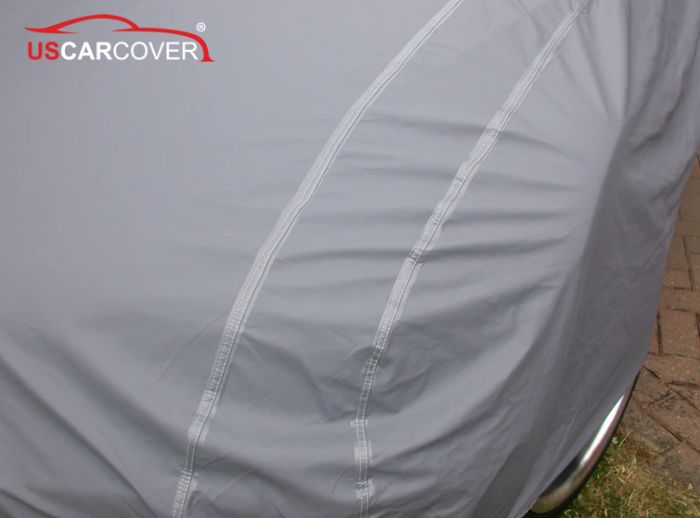
Once you accept that a car cover is necessary, the next question is: where should you buy Morris car cover that truly deserves to sit on your classic in the U.S.?
Why choose USCarCover for Morris car cover?
With classics like Morris, a cheap universal tarp from a random store is rarely a good long term solution. You need a supplier who understands: The difference in shape between European classics like Morris and modern sedans.The U.S. climate with its intense sun, rain, snow, road salt, dust and pollen. The mindset of classic car owners, who care deeply about fit, durability and protection quality.
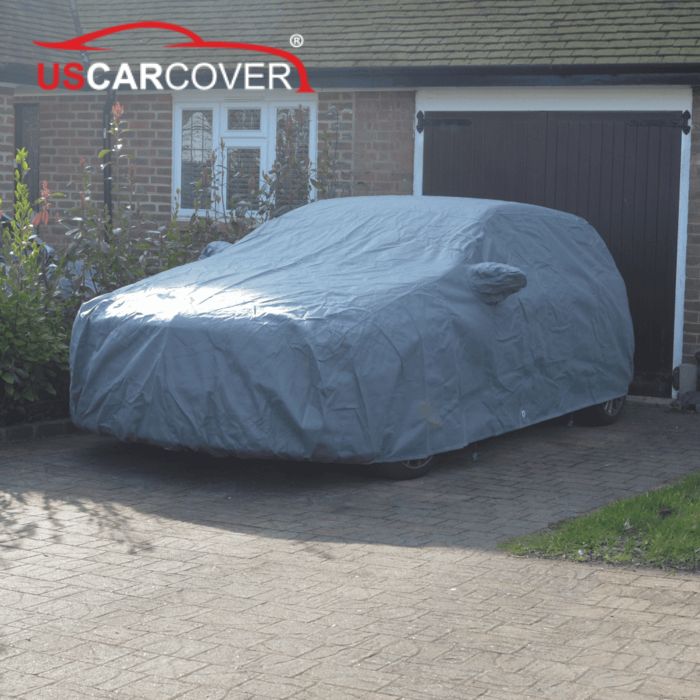
USCarCover is a brand that specializes in car covers for the U.S. market, providing covers for many types of vehicles including classics and sports cars. Their products are designed to protect cars from sun, rain, snow and dust, with features like water resistance, UV resistance, soft inner linings and secure straps.
When you choose Morris car cover from USCarCover ,you are choosing: A supplier with real experience in covers for special and niche vehicles. Products aimed specifically at U.S. conditions and user habits. Clear shipping, exchange and support policies that are easy to work with.
Related Articles: Mercedes-Benz car cover: keeping the cabin cool, blocking strong UV and reducing maintenance
What should a quality Morris car cover provide?
A proper Morris car cover from USCarCover (or an equivalent level supplier) is typically designed to deliver:
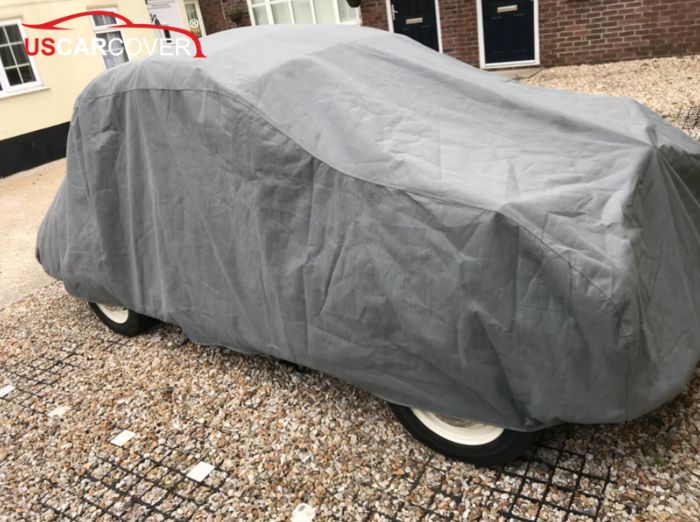
- Good fit: tailored for small to medium classic bodies like Morris Minor and Morris Oxford, not so baggy that it flaps in the wind and not so tight that it stresses the seams.
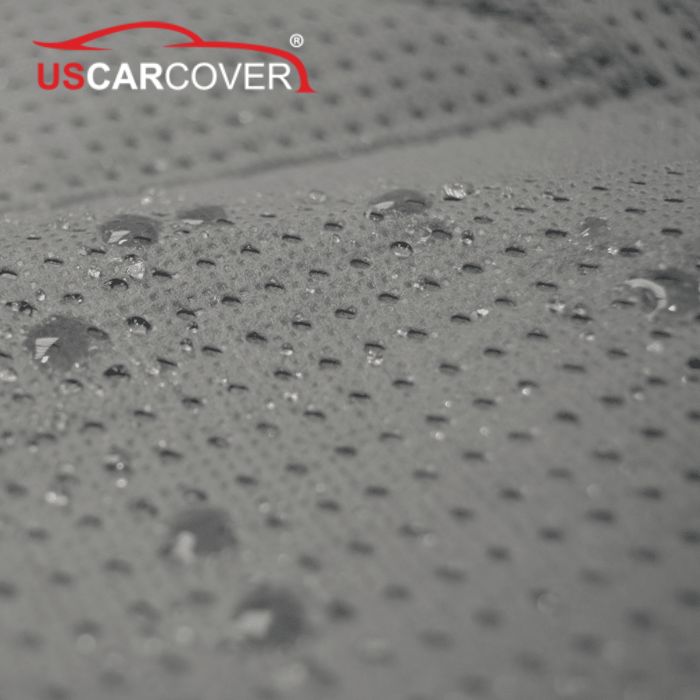
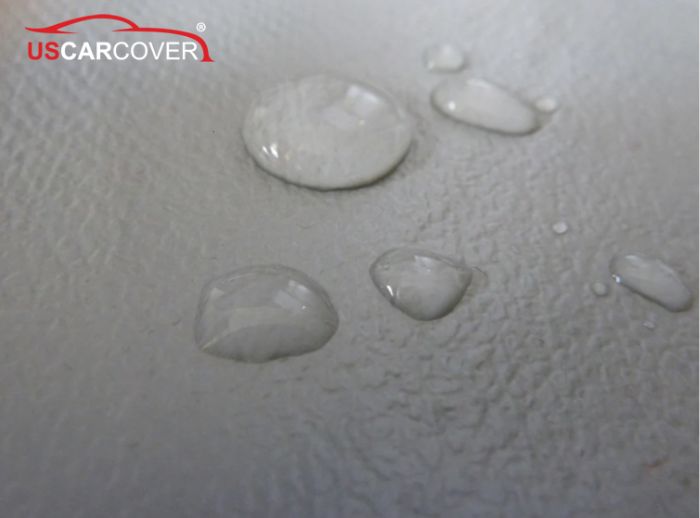
- Multi-layer construction: an outer layer that resists water and UV, intermediate layers for strength and an inner layer that is soft and non abrasive when handled correctly.
- Breathability: allowing moisture underneath to escape so condensation does not sit on paint and steel for long periods.
- Securement: straps, buckles and elastic hems so the cover does not blow off and does not flap violently in the wind.
That way, Morris car cover is not just a dust sheet, but a properly thought out protection system for a classic shell in the U.S. environment.
Related Articles: McLaren car cover: protecting carbon bodywork, high end paint and the sports car shape
Buying experience and support for U.S. customers
Living in the U.S., you will care about: Domestic shipping times. Exchange policies if the cover does not fit. Advice when you are unsure which cover is best for your situation.
USCarCover builds its service around these needs. When you contact them to purchase Morris car cover, you can: Provide details about your model (for example, Morris Minor 1967, Morris Oxford Series V, and so on). Describe where you usually park the car: outdoors, in a garage or a mix of both. Mention your climate: snowy, coastal, mostly sunny, etc.
From there you will get recommendations for the most suitable Morris car cover, helping you spend wisely while still getting strong bodywork protection.
A classic Morris is more than transportation. It is a piece of history, design, personal memory and financial value. But because it was built in a different time with body and paint technology far less robust than today’s, it is very sensitive to sun, rain, snow, road salt, dust, pollen and tree sap in the United States.
