
Oldsmobile car cover may sound at first like just another car cover. But for anyone who owns Oldsmobile vehicles in the U.S. from Oldsmobile Cutlass, Oldsmobile 442, Oldsmobile Toronado, Oldsmobile Delta 88, Oldsmobile Ninety-Eight to Oldsmobile Bravada, it is more like a suit of armor that protects a brand that no longer exists on the market. There is no factory running in the background to replace cars that are slowly rotting away. Once the brand is gone, every Oldsmobile that survives becomes a small piece of history and a collectible asset. If you leave it a few years under sun, rain and the dust of time without protection, the value can drop much faster than you think. Many owners in the U.S. have thought: “The car is old, the brand is dead, no matter how I keep it, it will not change much.” In reality, the market tells a different story. The Oldsmobile cars that are well maintained, with good bodywork, tidy interiors and clear history are increasingly sought after. The question shifts from “Does it still run?” to “How much value and originality can this Oldsmobile keep over time?” and Oldsmobile car cover is one of the simplest yet most effective tools in that equation.
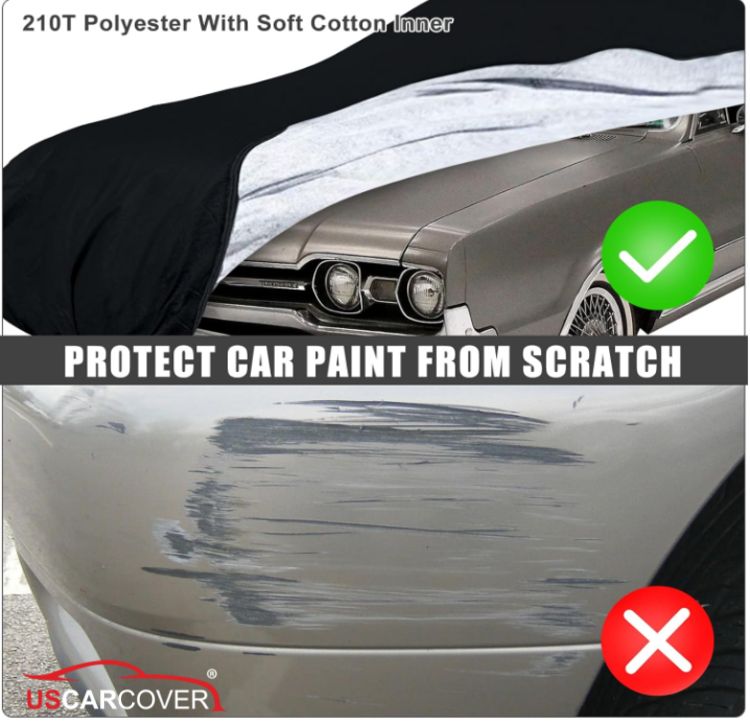
In this article, we will go deep into the pain points of Oldsmobile owners who let their cars face harsh U.S. weather without protection, why the question “Should I use a car cover to protect my Oldsmobile and preserve the value of a discontinued brand against sun, rain and the dust of time?” is a serious one, and how to choose and use Oldsmobile car cover in a way that does justice to the car you own.
Related Articles: Nissan car cover: the protective layer for Nissan sedans, CUVs, SUVs and pickups in the U.S.
Oldsmobile: a discontinued brand with living value
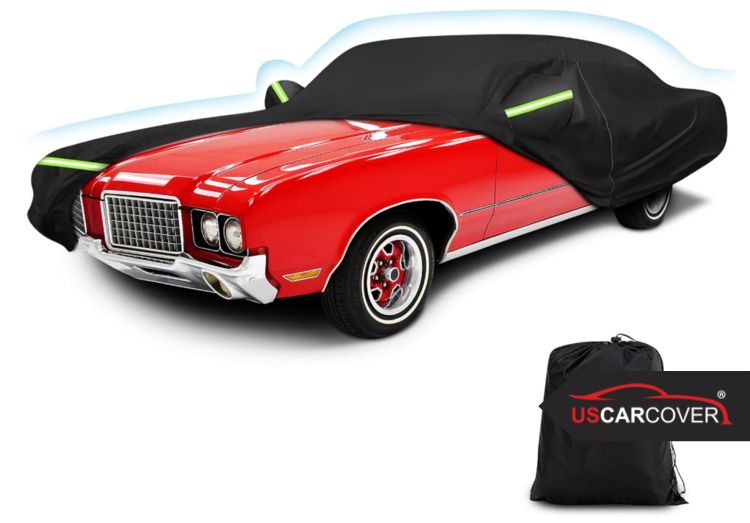
Before talking about Oldsmobile car cover, it is worth revisiting the brand story. Oldsmobile is not just an old name. It was once a pillar of American automotive history, associated with many innovations and memories of an entire generation.
Oldsmobile in American automotive history
Oldsmobile was one of the oldest car manufacturers in the United States and part of the General Motors family. It became famous for: Large, comfortable sedans with a smooth ride and imposing presence. Strong V8 engines, especially the famous Rocket V8 image. Designs that reflected the golden era of American cars, with bright chrome, big grilles, long tails and front bench seats that felt like sofas.
Later on, Oldsmobile moved into sporty coupes, convertibles, wagons and SUVs. But shifts in strategy and market conditions gradually shrank the brand until it was finally discontinued in the early 2000s. From that point on, the number of Oldsmobile cars could only go down, not up.
That reality means that each Oldsmobile that still runs and still has decent bodywork today is part of a finite resource. Every time a car rusts out, the frame rots, the paint is burned beyond saving or a car is simply abandoned outside, the global “stock” of Oldsmobile shrinks by one.
Related Articles: Morris car cover: limit rust, water spots and scratches on classic bodywork
The mindset of Oldsmobile owners in the U.S.
Most Oldsmobile owners today do not treat their cars as simple daily commuters. They are usually: People who grew up with Oldsmobile in the family and now want to own the car of their childhood. Classic car enthusiasts who want to collect a piece of GM history that has been closed. Owners who have a special bond with the design, engine sound and floaty ride of old American cars.
Because of that, many Oldsmobile owners are willing to spend money on engines, brakes, suspension, electrical systems and even interior restoration. However, when it comes to protecting the exterior, many of them are surprisingly casual. They think a garage is enough, or a cheap tarp will do the job, or letting the car sit on the driveway for a few years is not a big deal.
Only when rust appears on the wheel arches, water stains spread across the hood, chrome dulls and glass clouds up do they start asking themselves if they should have used Oldsmobile car cover earlier, and by then it is often too late.
Each Oldsmobile is like a limited stock
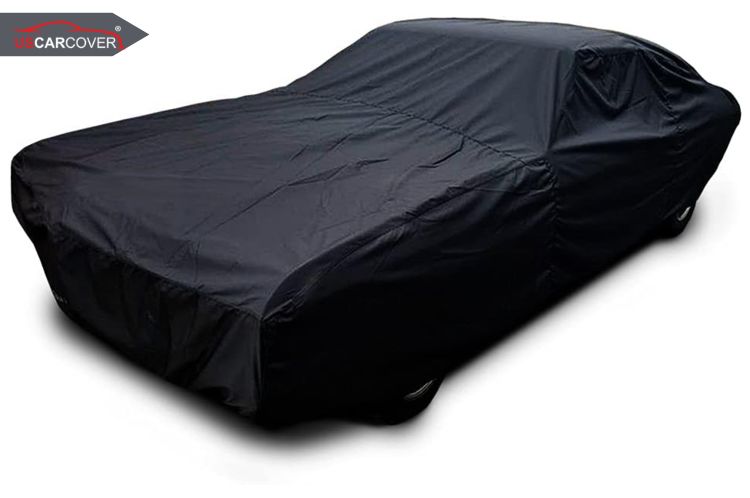
Once the brand is gone: The number of Oldsmobile cars left on the market only goes down over time. The cars that still have nice exteriors, clean interiors and minimal heavy repairs become increasingly rare. Rare models, special configurations and cars with unique engines and options draw more attention from collectors.
In that context, letting an Oldsmobile slowly die outside just because it does not have a proper Oldsmobile car cover is like letting a stock lose value simply because you stopped watching it. Protecting the body and interior with Oldsmobile car cover is really about protecting the collectible and financial value of the car.
Related Articles: Morgan car cover: protecting wood, leather and chrome over the years
The pain Oldsmobile owners face in sun, rain and the dust of time
Talking about “preserving the value of a discontinued brand” may sound big, but in reality, the pain Oldsmobile owners feel comes from very small details. One rust bubble, one water spot, one burned patch of paint, a few cracks in the dash. All of them start with letting the car face the weather head on without Oldsmobile car cover.
Rusty bodywork, burned paint, water spots: value being eaten away bit by bit
Bodywork on Oldsmobile cars is no longer young. The steel is old, many panels have been repainted, and many cars have spent years in snowy or damp regions. Without Oldsmobile car cover, the body has to deal with: Rain, snow melt and salty water splashing onto the underbody, wheel arches and panel edges. Rain drying into streaks and rings on the hood, roof and trunk lid. Harsh sunlight bleaching the paint, drying and cracking the clear coat and robbing gloss. Dust, pollen, tree sap and bird droppings landing directly on the paint and being rubbed in every time you wipe the car in a hurry.
At first you only see very small signs: A few blisters at the edge of a wheel arch, door bottom or window frame. A light stain on the hood that is only noticeable in bright light. Paint that no longer looks deep and rich, and never quite captures the right tone in photos.
But once you start sanding and treating those areas, you notice the rust has already crept much deeper than what you saw on the surface. The steel is thin and brittle, forcing you to cut and replace sections. Every time that happens, the Oldsmobile loses a little originality, even though originality is extremely important for a discontinued brand.
Related Articles: Mobility Ventures car cover: keep body panels, low floor and sliding doors like new
Classic interiors burned by the sun, dried out, cracked and losing character
Oldsmobile interiors, with thick cloth seats, big leather or vinyl benches, hard “American style” plastic dashes, large steering wheels and classic gauges, are a huge part of the experience. They are what make some people feel like they are stepping into the past the second they open the door.
But if the car is regularly parked outside without Oldsmobile car cover: Sunlight and heat raise cabin temperatures very high, especially in summer. The dash, door panels and armrests are baked constantly, oils in the materials evaporate, the surface dries out and cracks easily. Classic leather or vinyl seats that are already old will quickly develop fine cracks and flaking in high wear areas. Cloth and fabric will fade, stain and lose their original richness. Plated trim, knobs, logos and gauge faces suffer from UV exposure, becoming dull, yellowed and less crisp over time.
An Oldsmobile with an interior that remains original, not sunburned, not cracked and not badly faded is always valued much higher than one that has clearly aged inside. And the interior is the hardest thing to restore perfectly. If it has gone too far, you can rarely bring it back to true “as built” condition.
Chrome, glass and emblems: when the “shine” is gone
American classics, including Oldsmobile, are recognized heavily by their chrome and trim: Front and rear bumpers, window surrounds, light bezels, grilles, logos and Oldsmobile scripts. Chrome strips running the length of the body, hood and trunk ornaments and other plated details.
Without Oldsmobile car cover, all of those surfaces: Are constantly wet with rain, snow melt, salty water and road grime. Are easily marked by bird droppings, tree sap and acidic rain spots. Pick up scratches when wiped without proper care, because dust and grit are dragged over the surface.
Over time, chrome loses its mirror finish and turns dull gray. Pitting shows up as small pinholes in bumpers and trim. Glass develops water spots and streaks that are hard to fully remove. Emblems and scripts fade and lose sharpness.
With a discontinued brand like Oldsmobile, sourcing correct chrome parts, glass and emblems is not simple. High quality replating is not cheap either. An Oldsmobile car cover cannot solve everything, but it significantly reduces the hours these surfaces spend facing the elements unprotected.
Related Articles: Mitsubishi car cover: the protective jacket for Mitsubishi CUVs, SUVs and sedans
Emotions and collectible value being eaten away every day
Beyond all the physical damage, the hardest part for many Oldsmobile owners is how they feel:
Every time you open the garage, instead of pride in your car, you see one more little flaw. At car meets and shows, when you park next to another Oldsmobile that has been better preserved, you cannot help comparing and feeling a little regret. When it is time for an appraisal or sale, the car is not valued where you hoped, simply because it does not “look the part” anymore.
All of this could be reduced if you treated Oldsmobile car cover as mandatory from the beginning rather than a nice to have accessory.
Why Oldsmobile car cover is an essential “protective coat"
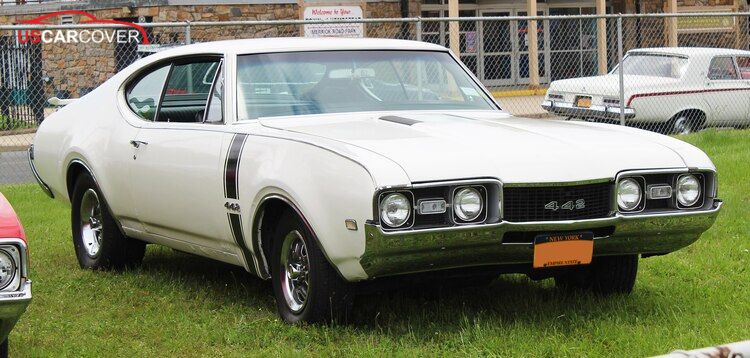
From an enthusiast’s perspective, Oldsmobile today is no longer just a way to get around. It is a collectible asset, an emotional object and a memory wrapped in metal. For that kind of asset, the protection strategy has to be different.
Seeing Oldsmobile as a collectible asset, not just transportation
An Oldsmobile today typically combines several traits: Rarity, since there is no new production and the number of surviving cars is shrinking over time. Difficulty of authentic restoration, because original parts are harder to find and the cost of doing it right is high. Story value, where the vehicle history, ownership chain, service records and old photos all contribute to soft value.
In that bigger picture, Oldsmobile car cover works like a form of low cost body and interior insurance: You make a relatively small upfront investment that reduces the risk of large restoration bills later. It helps the car keep a good exterior longer, which directly supports collectible value. It protects the “soul” of the car, because every rust cut, respray and interior replacement chips away at originality.
Related Articles: Mini car cover: compact like your Mini, but offers complete protection
Real world parking situations in the U.S. and risks to Oldsmobile
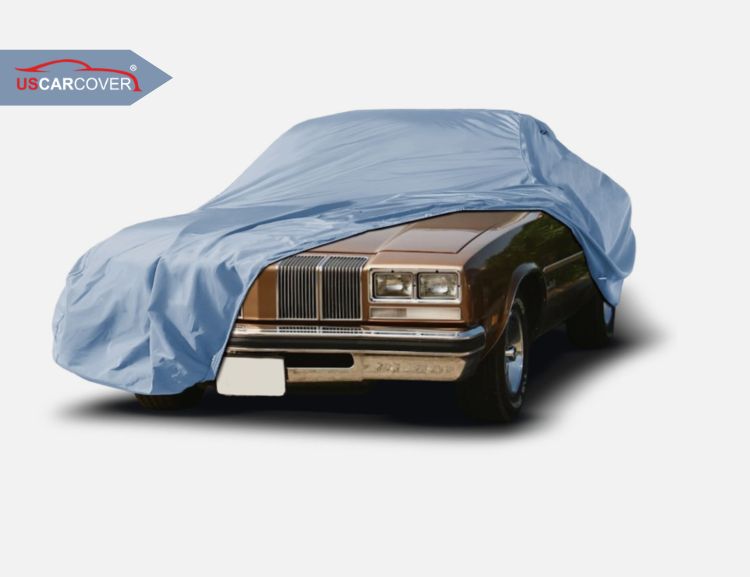
Not everyone has a perfect storage setup for their Oldsmobile: Some owners only have a driveway outside next to the house. Some have a garage but share it with other cars, tools, storage boxes and even pets. Others store the car at a remote storage facility, warehouse or shared lot.
Each situation comes with specific risks: Outdoors, it is sun, rain, snow, salt, leaves, sap and bird droppings. In a cramped garage, it is accidental contact with boxes, bicycles, tools, other vehicles, garage doors, pets and kids. In storage, it is dust, insects, rodents and moisture.
Oldsmobile car cover is a flexible layer of protection that fits most of those scenarios. It protects against weather outdoors and against dust and light contact when the car is inside.
Oldsmobile car cover as a form of body insurance
Looking at it through a cost lens: A good Oldsmobile car cover costs only a fraction of repainting a few panels. Restoring a classic Oldsmobile interior “the right way” often costs many times more than a high quality cover. The value gap between a clean Oldsmobile and a visibly tired one at sale time can be several thousand dollars.
With that kind of math, equipping your car in the U.S. with Oldsmobile car cover is a rational choice. You pay once and benefit for years. You protect the car and at the same time protect your future wallet.
Related Articles: MG car cover: sun, rain and city dust protection to keep paint and interior looking new
Where should you buy a quality Oldsmobile car cover?
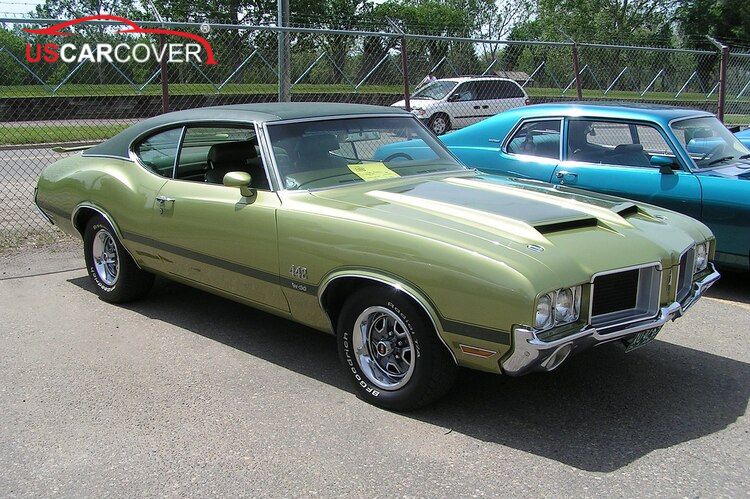
Once you have decided that you need Oldsmobile car cover, the next question is which brand to choose and where to buy so that it matches the value of the Oldsmobile you are preserving.
Risks of cheap universal tarps
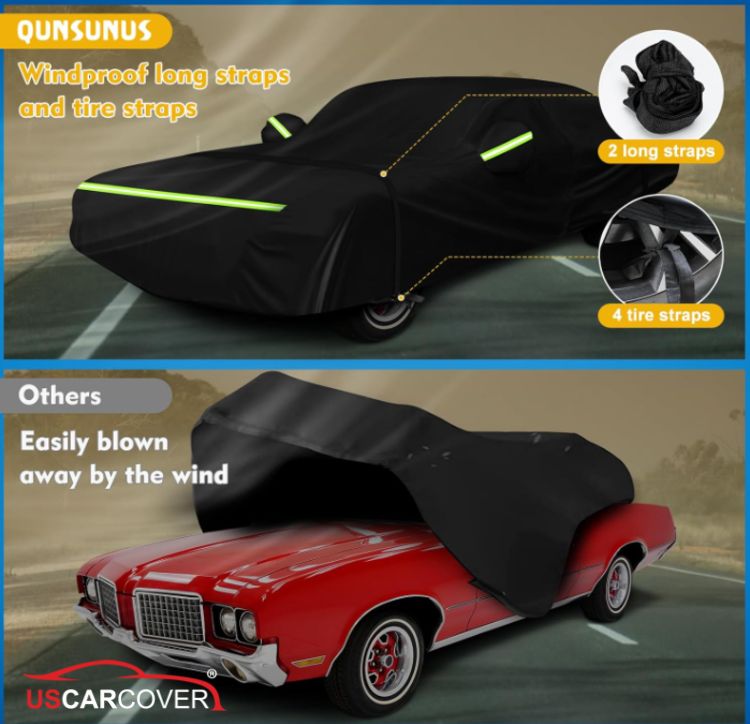
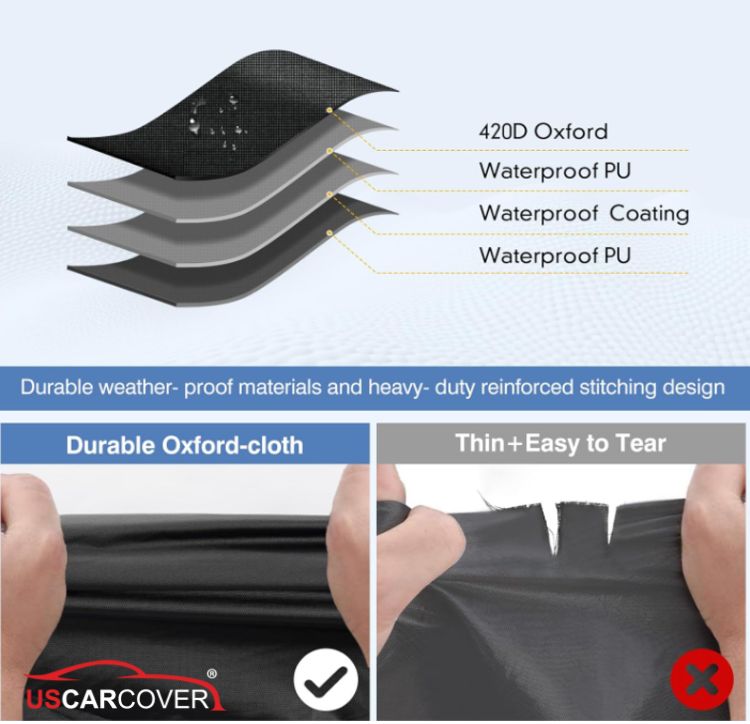
The “cheap tarp just to have something” solution often comes with hidden problems: Poor fit, with the cover too loose, so wind makes the fabric pump and flap against the paint, creating fine scratches over time. Non breathable material that traps moisture under the cover, encouraging mildew and condensation on body panels. Rough, hard inner surfaces, where every on and off cycle is significant abrasion on paint, chrome and glass.
For a discontinued car like Oldsmobile, these risks are not worth taking. Investing in a proper Oldsmobile car cover designed for U.S. conditions is a much smarter choice.
The benefits of choosing USCarCover for Oldsmobile car cover
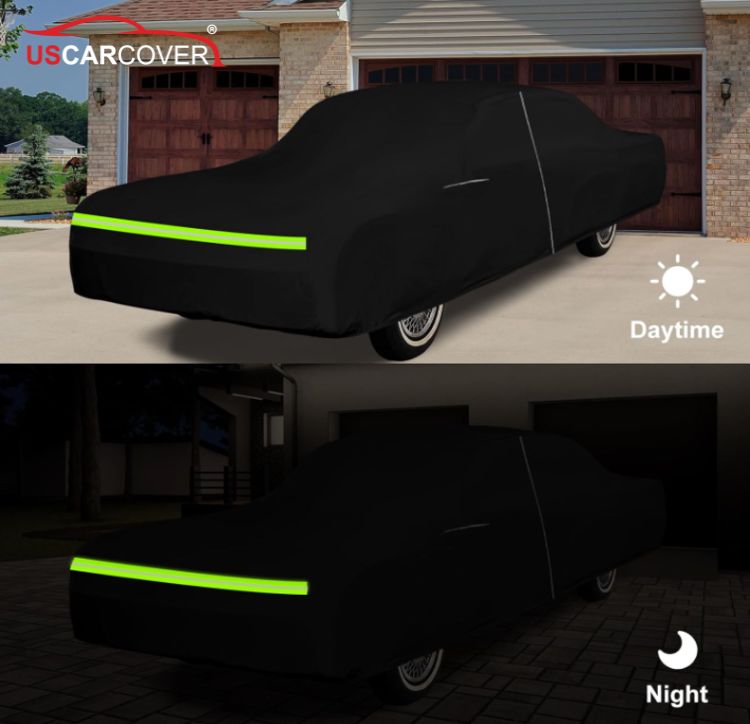
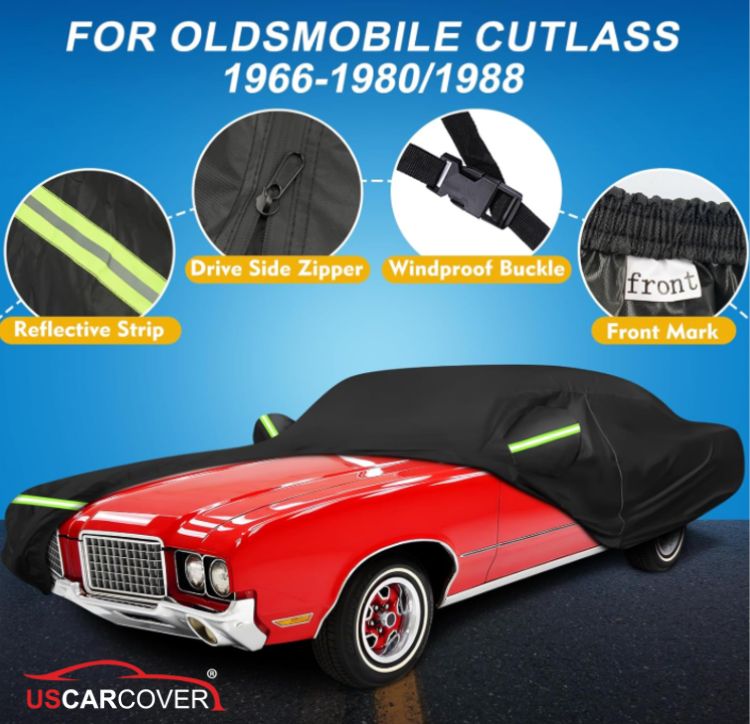
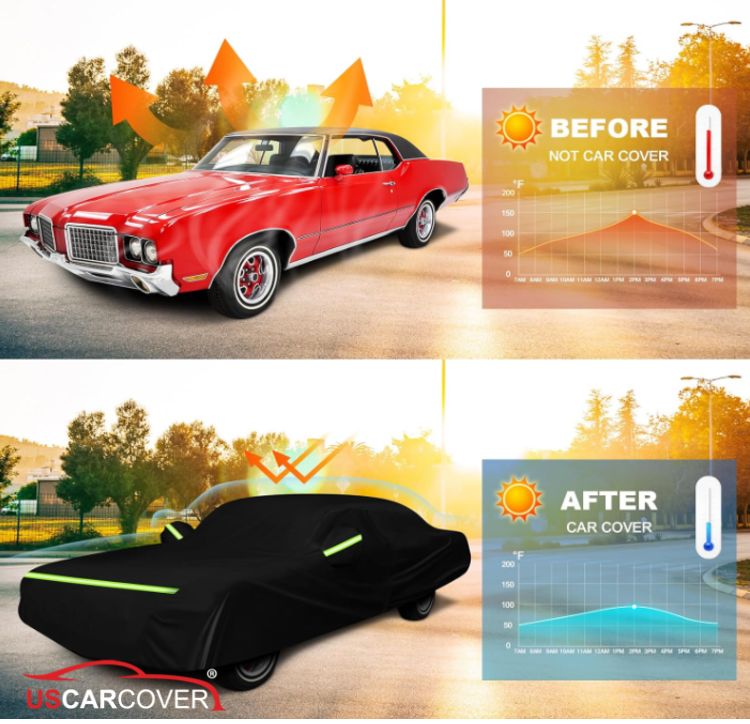
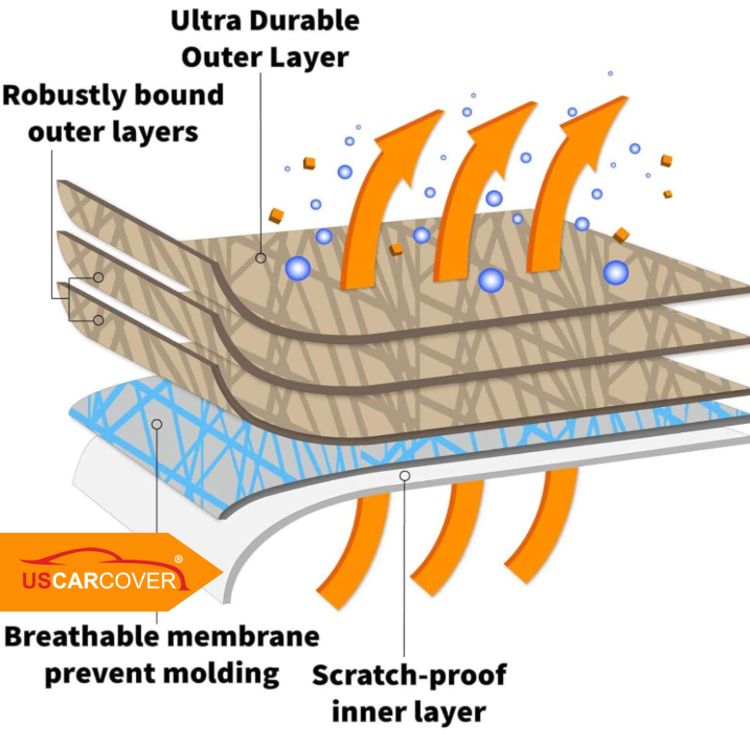
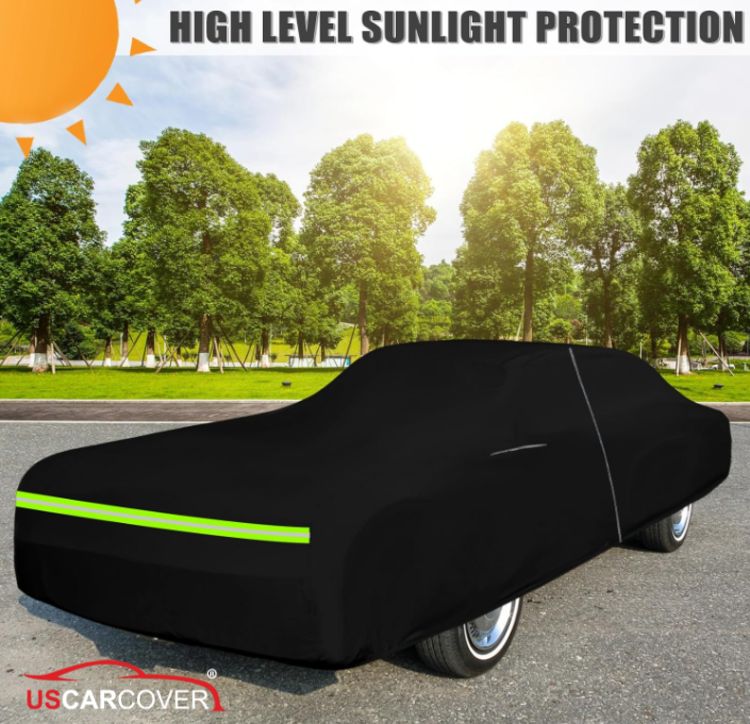
For Oldsmobile owners in the U.S., working with a company that specializes in car covers for the domestic market is very important. USCarCoveris one such brand, focusing on: Providing car covers for many vehicle types, including sedans, SUVs, trucks, classics and collectibles. Designing products to handle U.S. climate conditions such as intense sun, heavy rain, snow, road salt and dust. Combining water resistance, UV protection, breathability and a soft inner lining.
When you choose Oldsmobile car cover from USCarCover, you can have more confidence in: Fitment for many popular Oldsmobile body styles. Material and build quality, from stitching and hems to wind straps. Long term usability, whether your car is stored or parked outdoors regularly.
Related Articles: Mercury car cover: preserving the value of a discontinued brand
Information to prepare before ordering Oldsmobile car cover
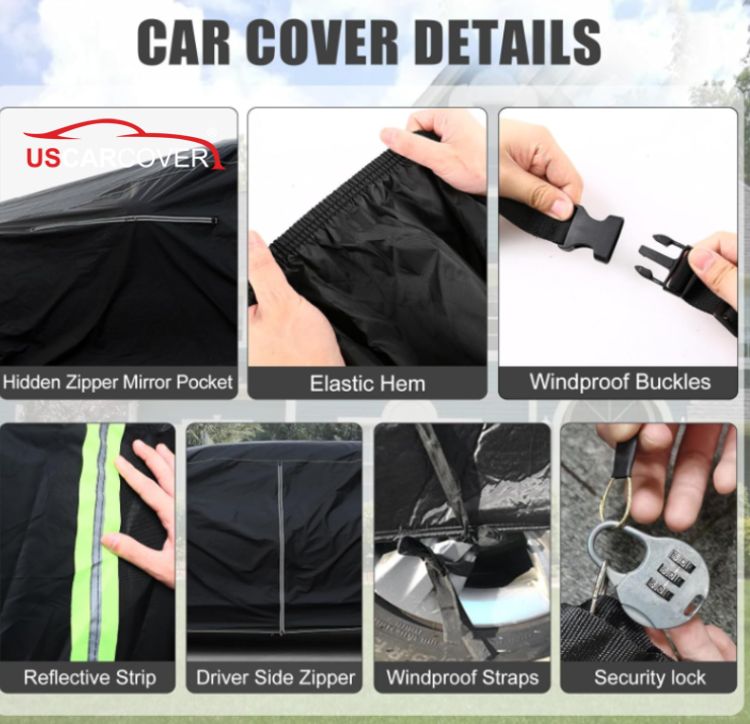
To get the right Oldsmobile car cover, you should prepare: Model details such as year, line (for example Oldsmobile Cutlass, Oldsmobile 442, Oldsmobile Toronado, Oldsmobile Delta 88, Oldsmobile Ninety-Eight, Oldsmobile Bravada) and body style (sedan, coupe, convertible, wagon. Main parking conditions: mostly outdoors, in a garage, in storage or a mix. The climate where you live: a state with heavy snow and road salt, a hot sunny region or a coastal area with salty air. Based on that, choosing Oldsmobile car cover from USCarCover will be more accurate, helping you avoid covers that are too thin, too non breathable or simply not suited to how you actually use and store the car.
