
Morgan car cover is not just a simple dust cover. For a Morgan running in the United States, where harsh sun, heavy snow, road salt and acid rain take turns testing every vehicle, Morgan car cover is more like a mandatory suit of armor if you want your hand built roadster to stay beautiful and full of character after 5 to 10 years. Unlike most modern cars, Morgan is a very special "creature": a wood frame, aluminum body, hand stitched genuine leather interior and a lot of bright chrome details. Everything that makes a Morgan look so classically beautiful is also exactly what is most sensitive to weather. A Morgan that spends many seasons parked outside in the U.S. without Morgan car cover has little chance of still looking as perfect as it did at the beginning.
This article dives into three layers of issues: (1) why a Morgan is more "delicate" than a normal car, (2) specific pain points when you do not protect wood, leather and chrome correctly, and (3) how Morgan car cover actually helps you "save" the car over the years. Finally, we will touch on where you should buy Morgan car cover so that it truly matches the car sitting in your garage.
Related Articles: Mobility Ventures car cover: keep body panels, low floor and sliding doors like new
The characteristics of Morgan and why it must be protected differently
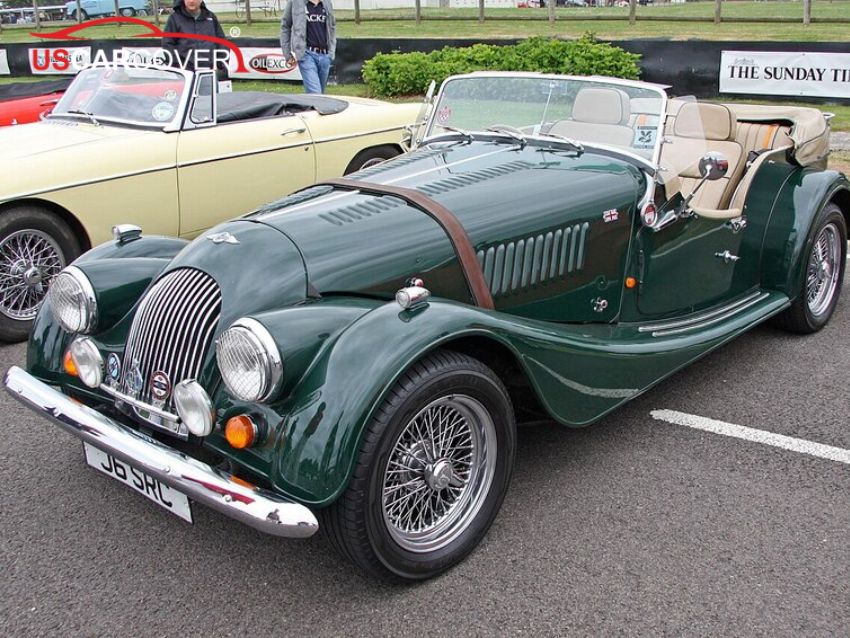
If you consider modern vehicles industrial products, then Morgan is more like a high end handcrafted item. The way the body, interior and exterior are made makes a Morgan closer to the category of "wood, leather and metal" than a mass of plastic and steel.
The wood frame, both the soul and the biggest weakness
Most traditional Morgan models use an ash wood frame as the structure for the body, combined with a steel or aluminum chassis. The wood frame keeps the car light and agile and gives it the "living car" feeling that Morgan owners love: the body has a certain natural flex, and the driving feel is very mechanical and alive, not cold and isolated like many modern cars. But wood is an organic material and always reacts to its environment: It continually absorbs and releases moisture from season to season. Rapid temperature changes make it expand and contract repeatedly. If moisture is trapped for long periods in hidden areas, mold and micro organisms can develop.
In the U.S. climate these changes are even more extreme: hot summers, freezing winters and in some places large temperature swings between day and night. If a Morgan is frequently parked outside or in an open garage without the help of Morgan car cover, the wood frame is constantly being "pulled" by these moisture and temperature changes. Over the long term you can start to see: Doors becoming harder to align, requiring more effort to close and showing uneven gaps. Body panels that no longer line up as cleanly, leaving small seams and unequal panel gaps. Strange noises from the body when the car twists over rough roads.
This type of degradation is quiet and subtle. It does not scream like rusty steel, but it directly affects the feel and longevity of the car.
Related Articles: Mitsubishi car cover: the protective jacket for Mitsubishi CUVs, SUVs and sedans
The leather interior, what you touch every time you drive
When you step into a Morgan, the material you see and touch most is leather: seats, dashboard, door trims, steering wheel, armrests. It is not the "simulated leather" found in many mainstream cars, but real hides, selected and hand stitched. The colors tend to be very refined: cognac, beige, wine red, navy blue, combined with carefully sewn seams that make the cabin look more like a luxury vintage armchair in an open room than the interior of a modern car.
Leather is beautiful but extremely sensitive to: UV rays constantly shining through the glass. Cabin temperatures spiking when the car is parked in the sun. Mold and mustiness if the car is rarely used and sits for long periods in a damp environment without ventilation.
Just a few summers in Texas, California or Florida with a Morgan left on the driveway without Morgan car cover and you will start to see: Driver seat color fading, with the portion near the glass looking more "burned" than the area closer to the floor. Fine cracks appearing along creases and seat edges where people sit most. Leather losing its soft sheen, turning dry, rough and harder to clean.
The ironic part is that many Morgan owners in the U.S. do not drive their cars much, yet the interior ages faster than expected simply because it has been baked in the sun too often without the shade of Morgan car cover.
Chrome, the exterior "jewelry" that loses its beauty fastest
Without chrome, a Morgan loses half its charm. From a distance, the reflections from the grille, light surrounds, mirrors, bumpers and hubcaps make the car stand out like a piece of jewelry against the asphalt. Chrome is what makes people turn their heads, pull out their phones and take pictures. But chrome does not get along with the U.S. environment: In snowy states, road salt and snow melt attack every metal surface. In industrial or high rainfall regions, the rain often carries a light acidic content. In coastal areas, salt air settles on everything.
If you do not use Morgan car cover, the chrome on the car has to take these factors on directly: Rain and snow melt dry on the surface and leave mineral and salt deposits. The mirror finish becomes hazy, with tiny specks called pitting appearing. On low areas near the road surface, around exhaust tips and bumper edges, rust can begin under the chrome.
Once chrome is heavily pitted or rusted, the usual solution is to remove the part and replate or replace it, which is expensive and time consuming, and rarely returns the piece to a perfect factory look. Simply because there was no Morgan car cover, the "jewelry" of your car can age very quickly.
Related Articles: Mini car cover: compact like your Mini, but offers complete protection
A Morgan is meant to be cherished, not treated like a daily commuter
One more very important point: most Morgan owners do not see the car as a "commuter vehicle." They see it as:
A weekend car
A car for leisure drives in good weather
A collectible for car shows and meetups
In other words, from the very beginning you have thought of it as something to cherish. Yet in reality many Morgans are treated like ordinary cars: parked uncovered outdoors, left dusty in an open garage, used as a perch for pets and a playground for kids. The line between "collectible item" and "faded old car" sometimes comes down to one simple habit: whether you use Morgan car cover regularly or not.
The pain points of Morgan owners in the U.S. when they do not use Morgan car cover
Talk to long time Morgan owners and you will hear a lot of sentences starting with "If only I had covered the car from the beginning..." The pain points below are not theoretical. They are very real and easy to see after a few years of ownership without Morgan car cover.
Damp, warped, cracked wood, degradation that is hard to see with the naked eye
Wood does not fail loudly like steel rusting. It degrades silently. You rarely see a big crack in the wood frame overnight, but you will gradually feel: Doors becoming harder to align, needing more effort to latch and having uneven gaps side to side. Body seams and panel gaps not matching as cleanly as before, with small misalignments appearing. New creaks and squeaks from the body as the car flexes over poor road surfaces.
In the more extreme climates of the U.S. this story is even more obvious. In winter, the car sits in an open garage in low temperatures and high humidity. In summer, you throw the doors open, fire up the engine and drive out into 35 to 40 degrees Celsius heat. The wood has to swing between these two extremes in a short span of time and repeat that cycle over and over. Without Morgan car cover to soften these sudden changes, the frame is forced to expand and contract more violently.
After 5 to 7 years, when the car goes in for a thorough inspection or some panels are removed for deep maintenance, many owners discover: Certain wood sections have changed color and show signs of old moisture stains. Hairline cracks appearing in places no one usually pays attention to. Some wood to metal joints that no longer feel as solid as the original build.
At that point, "re aligning the body" or addressing wood issues is far more tiring and costly than it would have been if the car had been kept in a more controlled environment from day one with Morgan car cover.
Related Articles: MG car cover: sun, rain and city dust protection to keep paint and interior looking new
Faded, cracked, tired leather, a cabin that loses half its appeal
The interior is where you and your passengers interact with the car the most. A Morgan cabin that is still fresh, with leather full of natural oils, smooth surfaces and deep color, creates a special feeling every time you open the door. The opposite is also true: a tired Morgan cabin drags down the whole experience:
Visually: the driver seat looks faded, with the upper backrest near the glass noticeably lighter than the lower section.
To the touch: leather no longer feels supple and smooth, but dry and stiff, with deep wrinkles.
To sit in: on bumpy roads, cracked areas can be uncomfortable and can gradually tear further.
The root cause is very simple: sun and heat. Each time you leave a Morgan parked outdoors for a few hours, the cabin becomes a kind of "oven." Sunlight pours through the glass, and the interior temperature spikes. Leather loses natural oils, protective top layers thin out, and color bonds are broken under constant UV attack.
With Morgan car cover, the amount of UV entering the cabin is dramatically reduced and peak temperatures are lower. The leather still ages, but more slowly and more evenly. Without cover, you are basically "sun drying" your high end leather sofa in the middle of a parking lot every day.
Dull, pitted chrome that makes the car look old at a glance
Chrome is the sort of detail that is stunning when it is good and painfully obvious when it is bad. If you walk up to a 10 year old Morgan, you can almost tell how the owner cared for it just by looking at the chrome. Without Morgan car cover, chrome must directly: Take rain and snow melt loaded with salts and contaminants. Face dust, sand, pollen, tree sap and bird droppings. Endure rushed wipe downs with cloths, sometimes when the surface still has grit on it.
After a few snowy winters and pollen filled springs, you start to see: Headlight surrounds, grille and mirrors coated in a dull film that no longer reflects like a mirror. Tiny surface pits scattered across the chrome, making it no longer flat and glassy. Light rust or discoloration in low bumper areas near the wheels.
Once chrome is heavily pitted, the realistic solutions are to remove and replate or replace the parts, which costs time and money. If the car had been under Morgan car cover from the beginning, the amount of water and contaminants hitting the chrome would have been much lower and its aging curve much slower.
Related Articles: Mercury car cover: preserving the value of a discontinued brand
Morgan car cover, armor for wood, leather and chrome
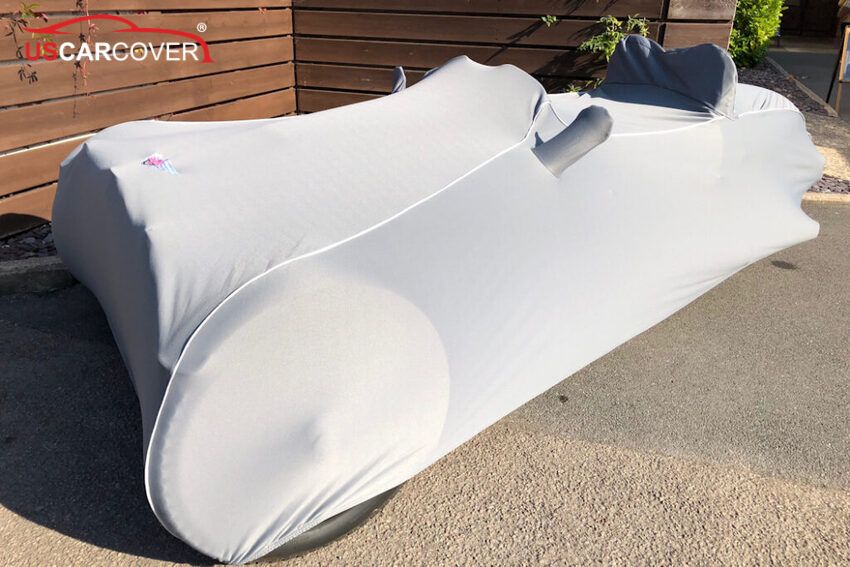
Looking back at those risks, Morgan car cover is no longer a "nice to have" accessory. It is part of the protection strategy. So what exactly does that cover do for your Morgan?
Reducing thermal and moisture shock on the wood frame
Many people think a car cover only shades the paint from sun and rain, but for a Morgan it also acts as a passive "conditioning" system for the wood. When you use Morgan car cover: The body is no longer directly "roasted" panel by panel by direct sunlight, so temperature rises slower and more evenly. After it rains, the cover prevents sheets of water from pouring straight into areas that tend to trap moisture. Nighttime dew, fog and ambient humidity settle primarily on the cover rather than directly on wood surfaces, panel edges and joints.
The result is that the frame and interior wood live in a "gentler" environment, with fewer harsh thermal and moisture shocks and fewer extreme expansion and contraction cycles. Over the long term, the body geometry remains more stable, panels are less likely to shift and doors are less likely to go "out of square."
Creating an artificial shade for the leather cabin
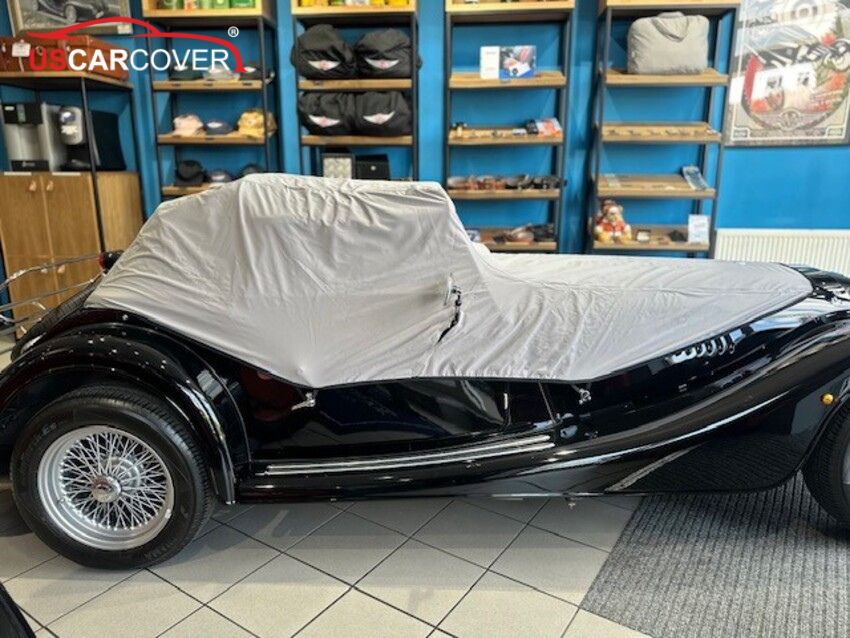
For the leather cabin, the biggest benefit of Morgan car cover is that it creates artificial shade: At midday under direct sun, the cover cuts down UV reaching the interior significantly. Interior temperature does not spike as high as when glass and leather are directly "sunbathing". When you open the door after a few hours parked outdoors, it no longer feels like opening an oven.
This is not only good for leather but also for every other material inside: plastic, rubber, adhesives and decorative wood trims. Everything ages more slowly. If you combine Morgan car cover with occasionally opening doors to let the car breathe in the garage, a Morgan interior can maintain its condition for a very long time without major restoration.
Related Articles: Mercedes-Benz car cover: keeping the cabin cool, blocking strong UV and reducing maintenance
Shielding the "jewelry" of chrome from harsh conditions
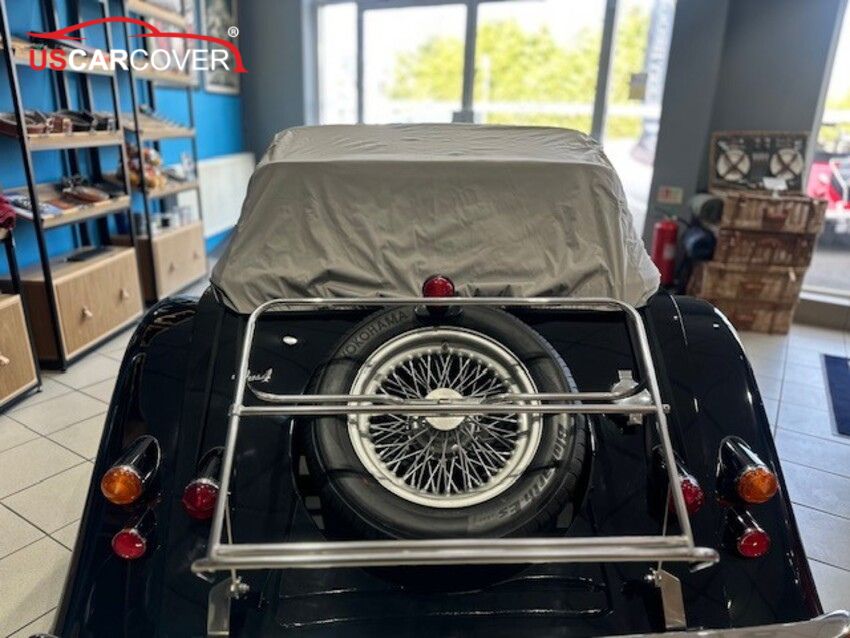
For chrome, the function of Morgan car cover is straightforward: When it rains, most of the water hits the cover and runs off to the ground instead of sitting on the chrome. In snow, the cover helps prevent snow from bonding directly to surfaces and limits snow melt from flowing along chrome parts. In coastal regions, salt fog and salty air settle primarily on the cover, not directly on the metal surfaces.
As a result, the number of "wet to dry" cycles on chrome drops significantly. Salt and grime deposits are less likely to form stubborn spots, and you feel less pressure to rush out and wipe everything constantly. Chrome keeps its mirror shine for much longer, which is exactly the "protecting chrome over the years" effect every Morgan owner wants.
Financial meaning, less money spent on restoration, better resale value
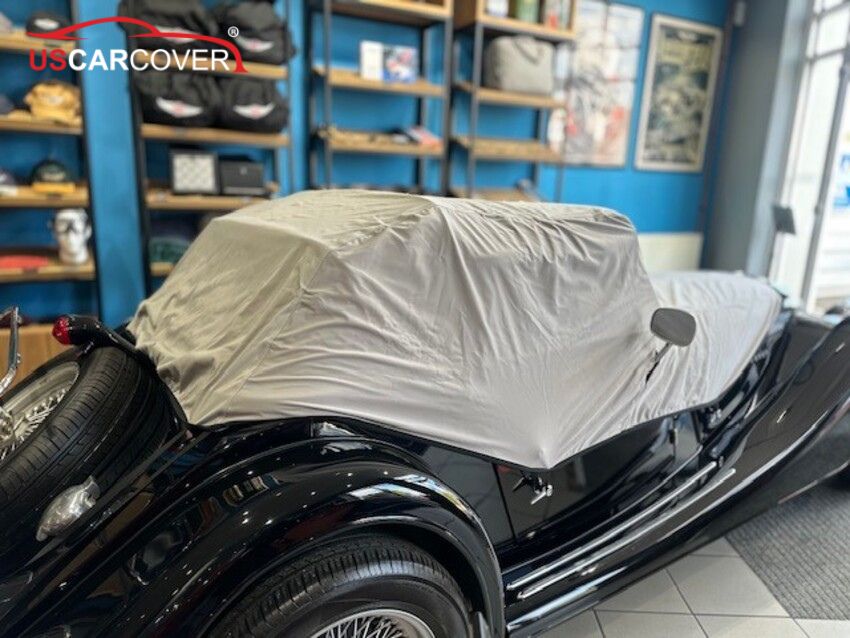
Viewed strictly through numbers, Morgan car cover is a good investment: A quality cover costs only a fraction of a full leather re trim, a re chrome job or a multi panel repaint. With a cover you push back the timetable for needing expensive restoration work. When it comes time to sell, a clean exterior, bright chrome and fresh interior put you in a much stronger position at the negotiating table.
More importantly, you get to enjoy a beautiful Morgan every day instead of a car that makes you feel regret every time you open the garage.
Related Articles: McLaren car cover: protecting carbon bodywork, high end paint and the sports car shape
Where should you buy a quality Morgan car cover?
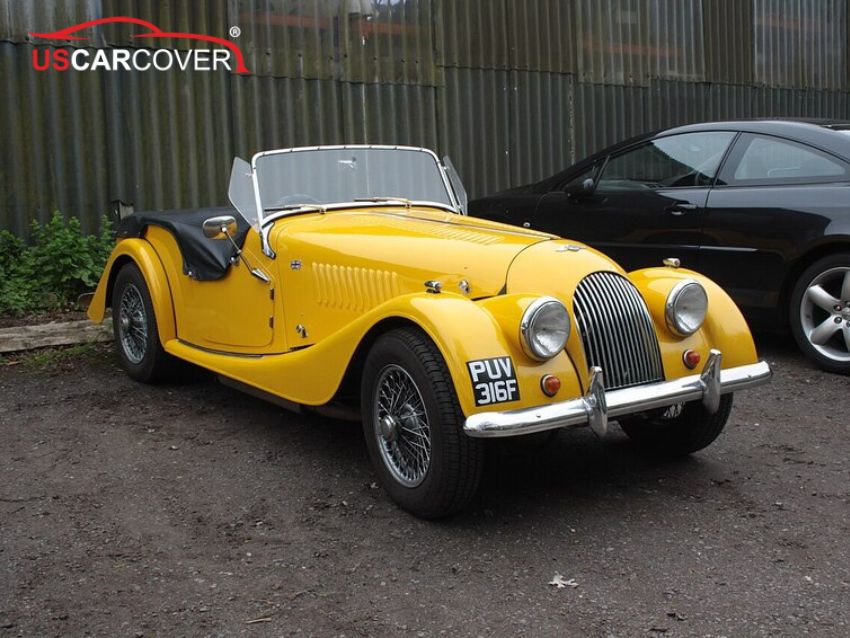
Once you understand why you need Morgan car cover, the next question is: where do you buy one that truly matches the car in your garage?
Why you should choose USCarCover for Morgan car cover
With a specialist car like a Morgan, you are unlikely to be satisfied with a generic cover grabbed at random from a local auto store. You need a supplier who understands: The Morgan body is long, low, with an extended nose and tapered tail, completely unlike a sedan or SUV. The car has many protrusions, such as bumpers, lights, mirrors, upright windshield, soft top or hard top depending on the model. Morgan owners typically have high expectations for fit, appearance and durability of their covers.
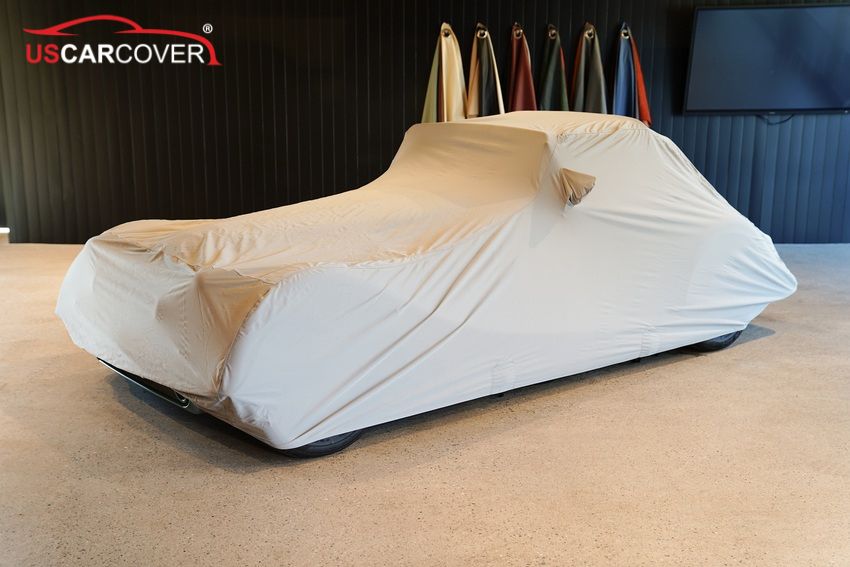
USCarCover focuses on the U.S. market and supplies car covers for many types of vehicles, including classic, sports and collectible cars. When you choose Morgan car cover from USCarCover, you get: Designs developed to suit the body shape of popular Morgan models, not too baggy and not too tight. Materials selected to handle U.S. weather: strong sun, snow, rain, wind and road salt. A clear ordering, delivery and after sales process built for customers in the United States.
Instead of taking your chances with a "maybe it fits" universal cover, choosing Morgan car cover from a specialist like USCarCover gives you confidence that your protective layer is worthy of the car underneath.
What you can expect from a Morgan car cover from USCarCover
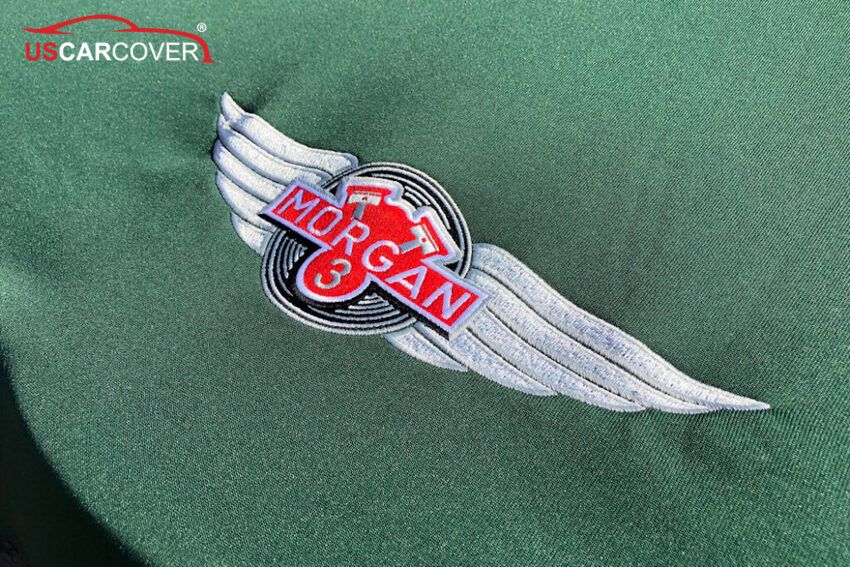
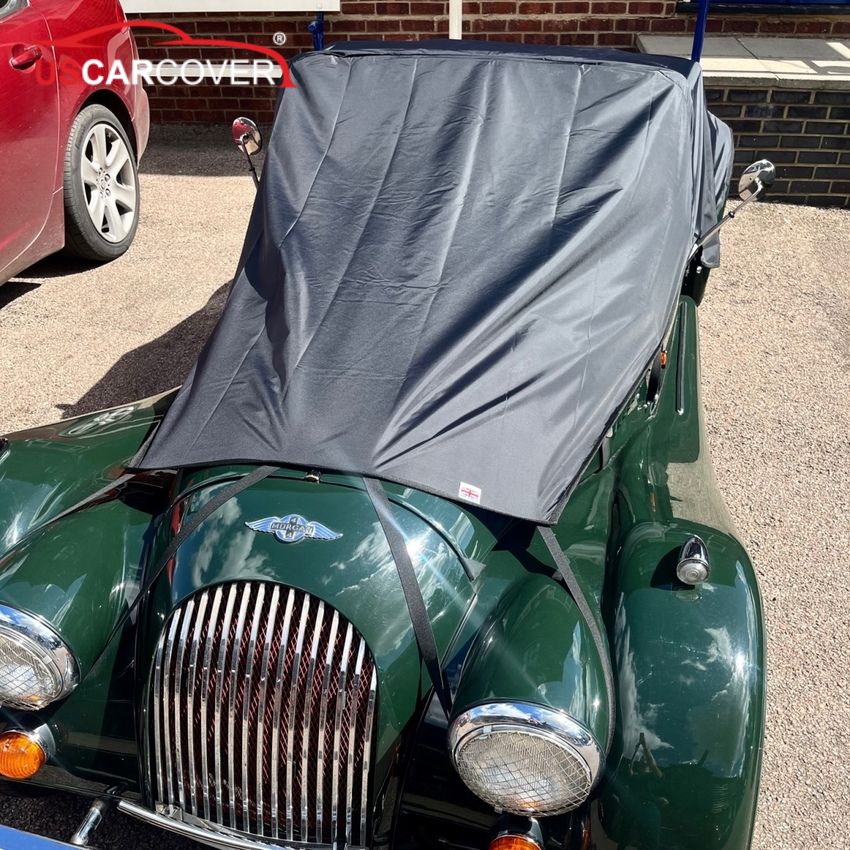
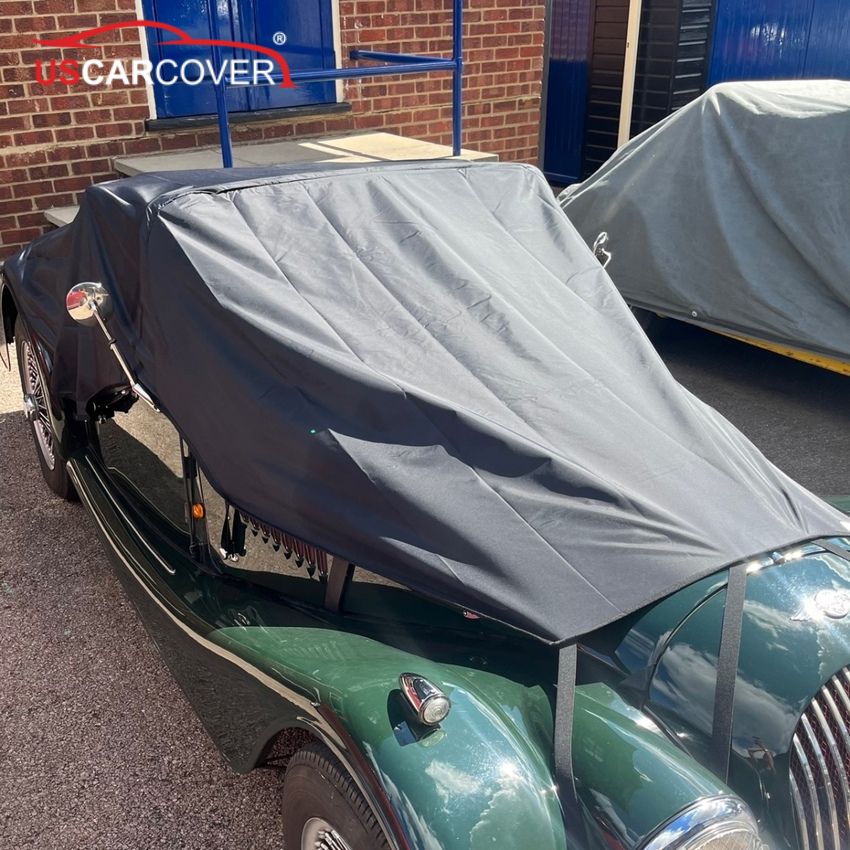
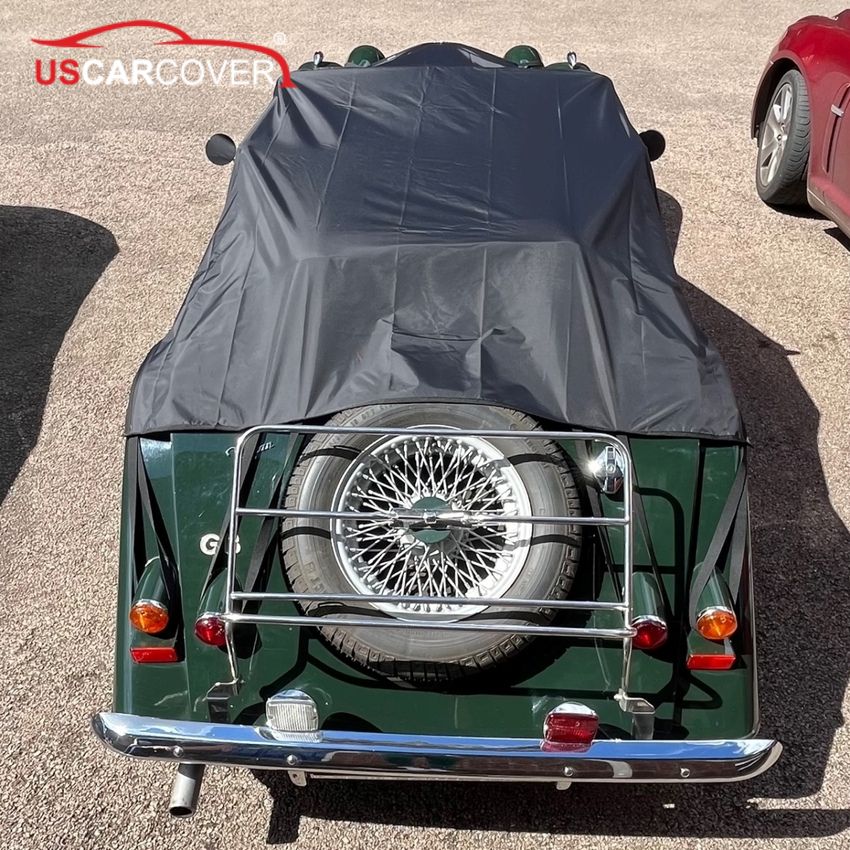
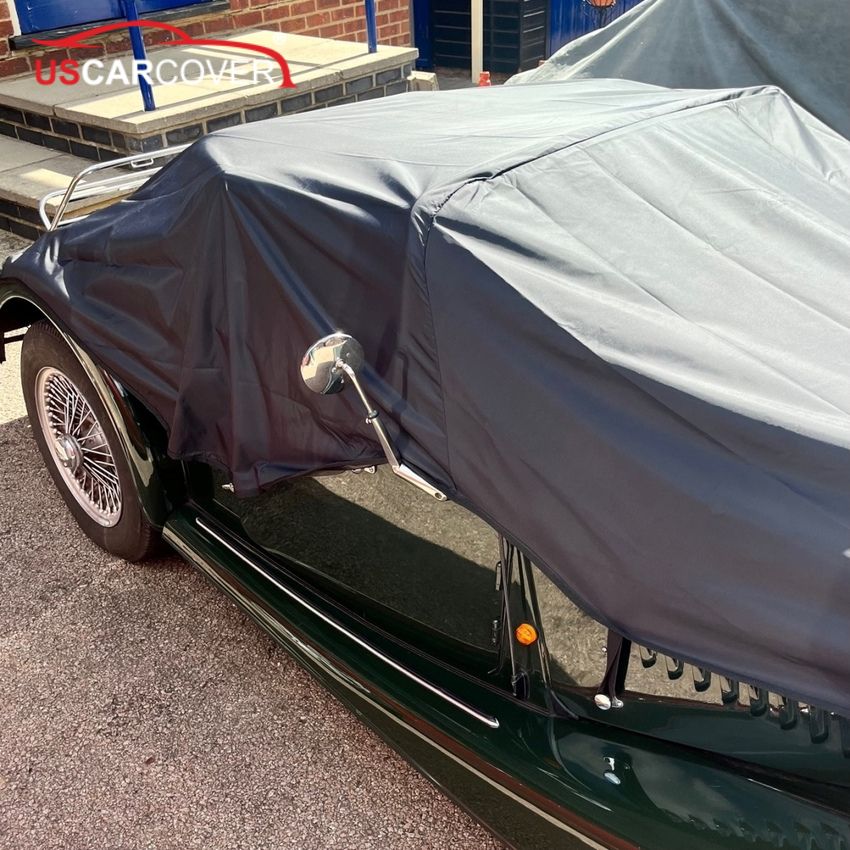
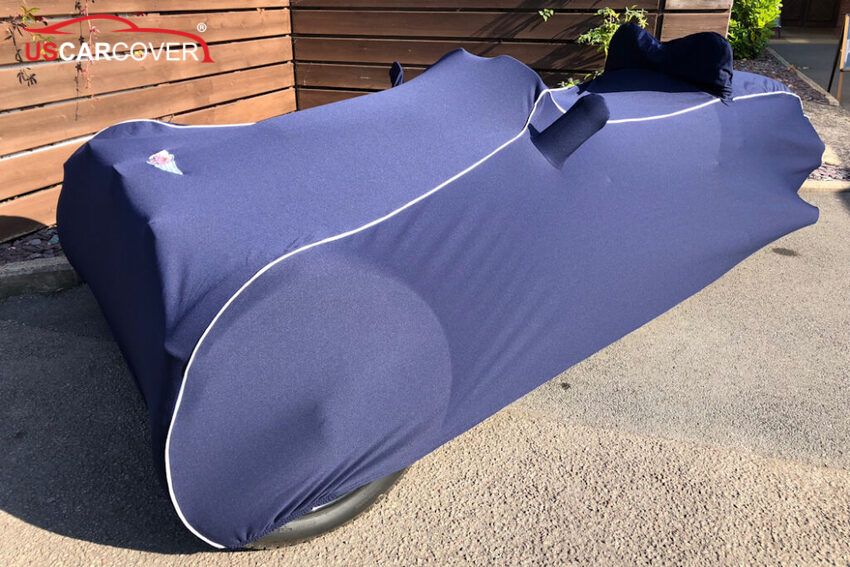
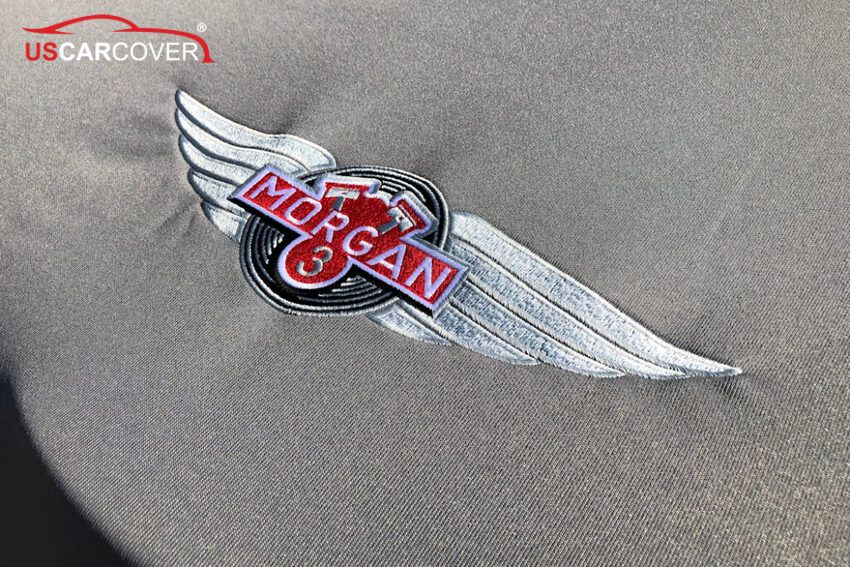
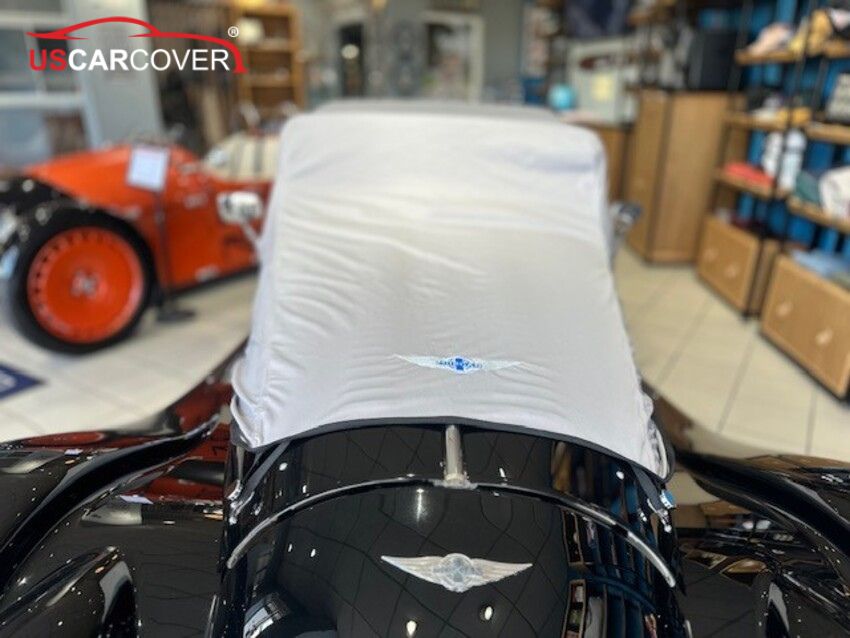
A quality Morgan car cover for a Morgan in the U.S. typically offers: A fit that properly follows the lines of Morgan models (Plus 4, Plus 6, 4/4, Roadster and so on), covering the long hood, passenger compartment and distinctive tail. Multi layer construction: an outer layer that resists UV and water and an inner layer that is soft and non abrasive to paint and chrome when used correctly. A design with straps and elastic hems to secure the cover in windy conditions and reduce flapping and harsh rubbing.
USCarCover also provides instructions for use, cleaning and storage. This helps your Morgan car cover stay durable and maintain its protective performance for many years.
Morgan is a unique blend of craftsmanship and driving passion: wood frame, genuine leather interior, gleaming chrome and a classic roadster shape. Because it is so different from ordinary cars, a Morgan also needs to be protected in a different way. If you treat it like a regular sedan, parking it uncovered outdoors, letting it bake in the sun and sit under snow, exposing it directly to road salt, dust and acid rain, then rapid aging is almost inevitable. Morgan car cover is a simple but effective answer to that problem. A properly shaped cover made from the right materials and used regularly.
