
Nissan car cover is not something you buy just to feel less guilty. For many Nissan owners in the U.S., from sedans like Nissan Sentra, Nissan Altima, Nissan Maxima, to CUVs and SUVs like Nissan Kicks, Nissan Rogue, Nissan Murano, Nissan Pathfinder, Nissan Armada, and pickups like Nissan Frontier, Nissan Titan, a proper car cover plays a big role in several things: how long the car keeps its good looks, how fresh the interior still feels, and whether you get beaten down on price because of appearance when it is time to sell. When you first pick up a new Nissan, most people think the same way: “It is a Japanese car, Nissan is reliable, I will just drive it and trade it in after a few years.” But after 2 or 3 years parked outside with no Nissan car cover, things start to show up clearly: dull paint, water spots, glass that is not as clear as before, plastic surfaces in the cabin that look a little cloudy, wrinkled seats. None of that stops the car from running, but it definitely makes you less excited to look at it.
This article is not written to scare you. It is meant to walk you slowly through what a Nissan has to endure every day in the U.S., why the question “Should I use a car cover to protect my Nissan sedan, CUV, SUV or pickup in the U.S.?” is serious, and how Nissan car cover can actually change that story.
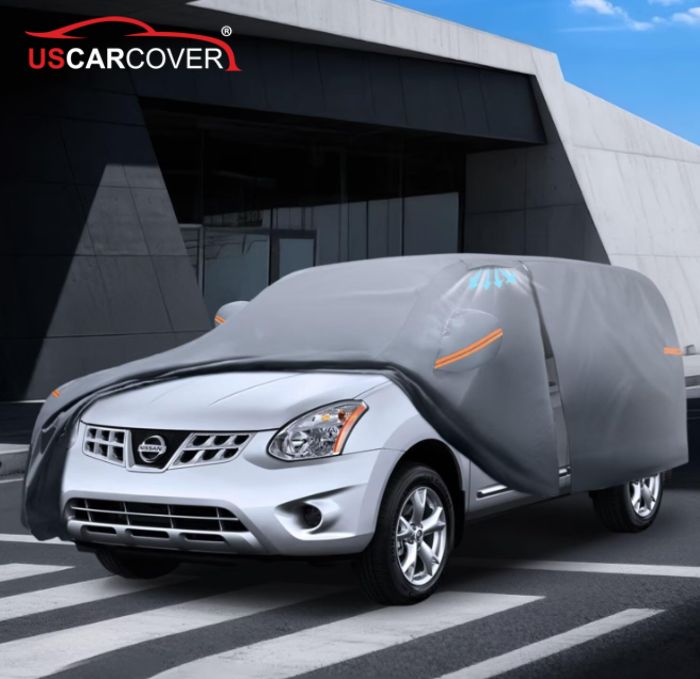
Why Nissan vehicles in the U.S. need their own protective layer
Before talking about car covers, it helps to look straight at how Nissan vehicles are actually used in the U.S. Most of them are not living the life of a “garage queen”. They are regular cars, working hard every single day.
Nissan is an everyday car, not just for display
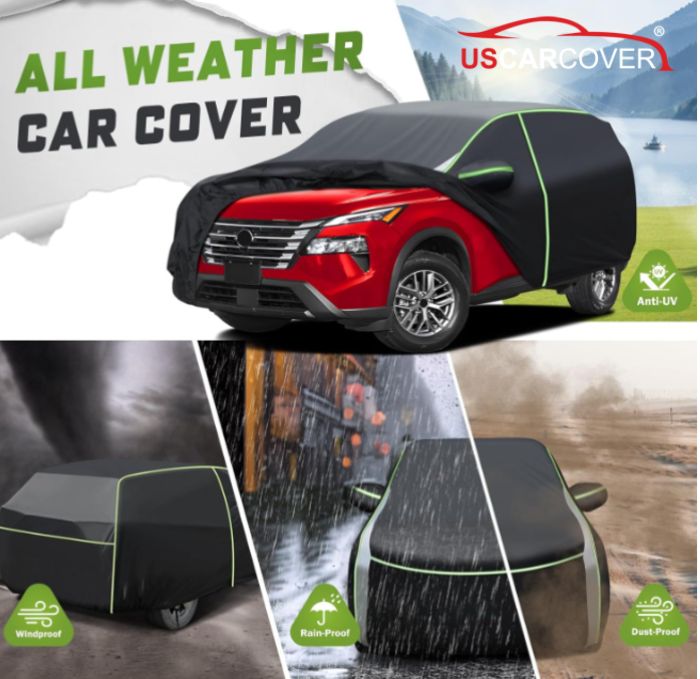
Nissan shows up in almost every mainstream segment: one household has a Nissan Sentra for city commuting, another runs a Nissan Altima on the highway, a family chooses a Nissan Rogue or Nissan Pathfinder to carry everyone, and a contractor may depend on a Nissan Frontier or Nissan Titan. The common thread is that these vehicles are bought to be driven. They leave the garage or parking lot in the morning and only come back at night. On weekends, they are off again for groceries, outings or road trips. In that life, a Nissan will: Sit for hours in an open company lot under sun or snow. Park in front of the house, under trees or along the curb. Park at malls, supermarkets, stadiums and parks, where everything from dust and pollen to shopping carts and other car doors can “touch” the body.
If every time it stopped, the car was covered under a Nissan car cover, that would be one story. If it goes bare every single day and takes every hit directly, that is a very different story.
The habit of outdoor parking: driveway, curbside, shared lots
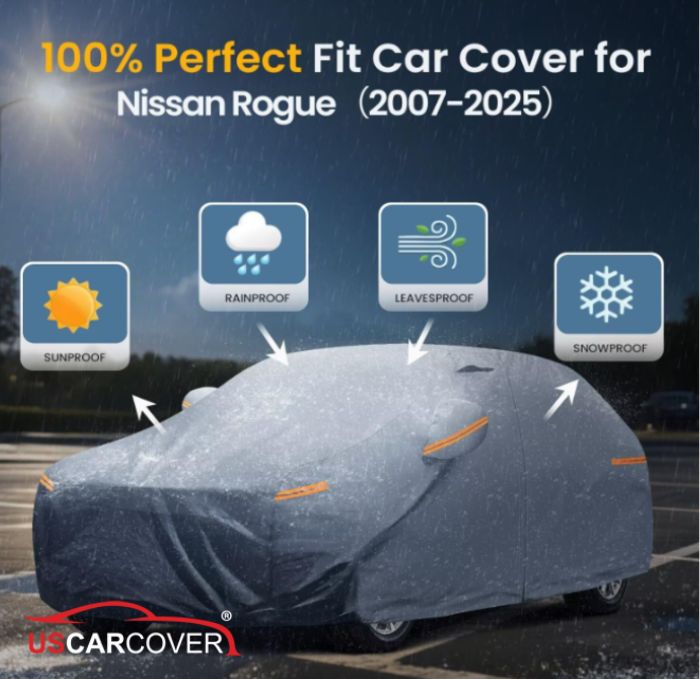
Housing and parking layouts in the U.S. mean not everyone can give their car a fully enclosed garage: Many families use the garage as storage or it only fits one car, so the other vehicles live on the driveway. Apartment life usually comes with a shared outdoor lot instead of a dedicated indoor space. Workplace parking, mall parking, school lots and most public parking are out in the open with no roof.
Sun, rain, wind, snow, salt, falling leaves, sap and bird droppings do not need your permission. If your car is sitting there, they will show up. A brand new Nissan with no Nissan car cover only needs to go through two or three summers and winters like that for the paint, glass and plastics to look noticeably different from day one.
Related Articles: Morris car cover: limit rust, water spots and scratches on classic bodywork
Vehicle value lives in first impressions, not just under the hood
Car people like to say “you can tell the owner from the paint.” In the U.S., dealers and used car buyers react the same way: They walk around the car and look at the body, panel gaps, underbody, bumpers and glass. They get inside, check how the interior smells and look at the seats, dash, steering wheel and headliner.
The mechanicals may be strong and the service history may be complete, but if the Nissan’s body is scratched, the paint is sunburned and the interior looks tired, the first impression is already scored low. That is exactly why investing in a proper Nissan car cover from the beginning has a very direct impact on your wallet later, not just on looks.
Related Articles: Morgan car cover: protecting wood, leather and chrome over the years
Real pain Nissan owners face when they do not use Nissan car cover
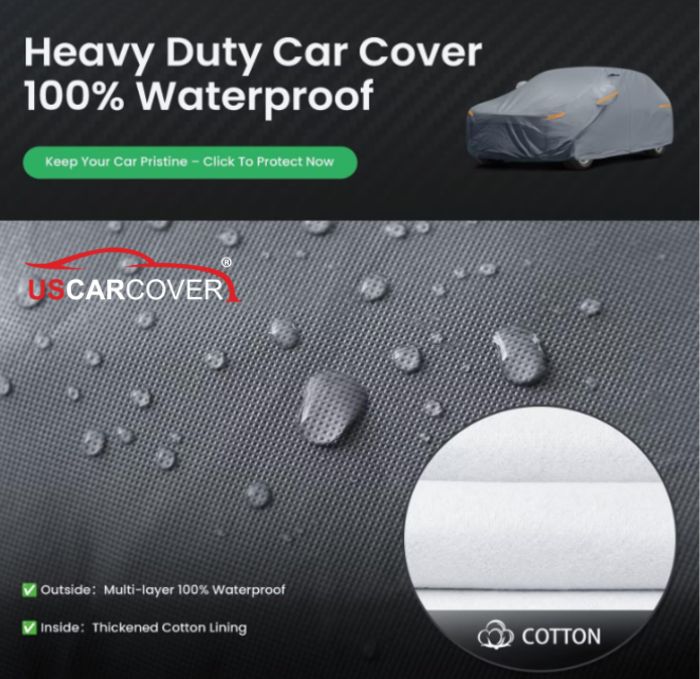
If you have owned a Nissan for a few years and have never covered it with Nissan car cover, there is a good chance you are already seeing or are about to see some of the following on your car.
Sedans and CUVs: faded paint, water spots, fine scratches that are hard to fix
Nissan sedans and CUVs have some very “vulnerable” paint surfaces: the hood, roof and trunk lid, all of which are flat and face the sky. When they are not protected by Nissan car cover and are parked outside day after day, these areas constantly face: Harsh sunlight that slowly thins and dries the clear coat and fades the color, especially on darker shades like black, deep blue, dark gray and red. Rain followed by sun, where water dries on the surface and leaves circular water spot rings. Bird droppings and tree sap falling on a hot panel, which only need a few hours to etch deep stains into the paint. Dust, dirt and road grit building up, and every “quick wipe” with a dry cloth becomes thousands of micro scratches on the surface.
After two or three years, the accumulated effect is: Red is not really red anymore, black no longer has that deep “wet” look and even gray, silver and blue start to look flat and chalky. When you look at the paint at an angle in sunlight, you see swirl marks, halos and uneven patches of brightness. The car looks fine from a distance after a wash, but up close it never looks “fresh and glossy” again, just “less dirty".
That is when people start thinking about polishing, paint correction or even a respray. Those are expensive emergency measures, while consistent use of Nissan car cover from day one would have reduced most of the underlying causes.
Related Articles: Mobility Ventures car cover: keep body panels, low floor and sliding doors like new
SUVs, CUVs and EVs: the interior lives in an “oven”, fades and ages quickly
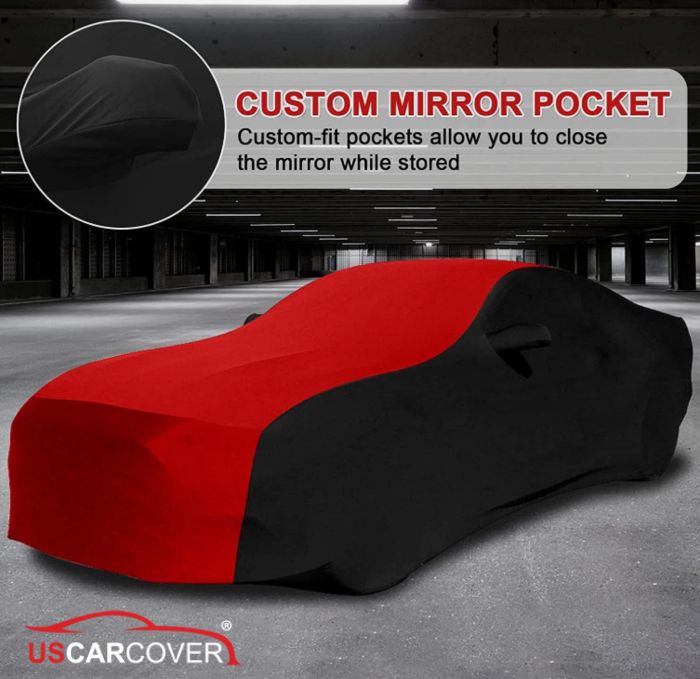
The interiors of models like Nissan Rogue, Nissan Murano, Nissan Pathfinder, Nissan Armada and EVs such as Nissan Leaf and Nissan Ariya are often a big source of pride at first: leather or leatherette seats are tight, the soft touch dash looks rich, the screens are bright, door panels are clean and the headliner is bright. Now imagine that cabin sealed up in strong sun every day: Cabin temperatures rise to very high levels. When you open the door, you can feel the heat hitting your face. The dash, armrests and door plastics are “baked” constantly, oils in the materials slowly evaporate, the color loses depth and the surface becomes more brittle and prone to cracking. The driver seat, especially, becomes shiny and wrinkled quickly, then develops fine cracks in high stress zones. The center screen and instrument cluster slowly lose clarity, pick up light haze and the anti glare coating no longer looks as clean as it did.
Many owners add a sunshade at the windshield, but that only protects the front. A full Nissan car cover over the exterior treats the whole picture: it reduces the amount of radiant heat entering the cabin and blocks UV from all directions, helping the Nissan interior “age” much more slowly.
Nissan Frontier and Titan pickups: mud, salt and rust creeping up from below
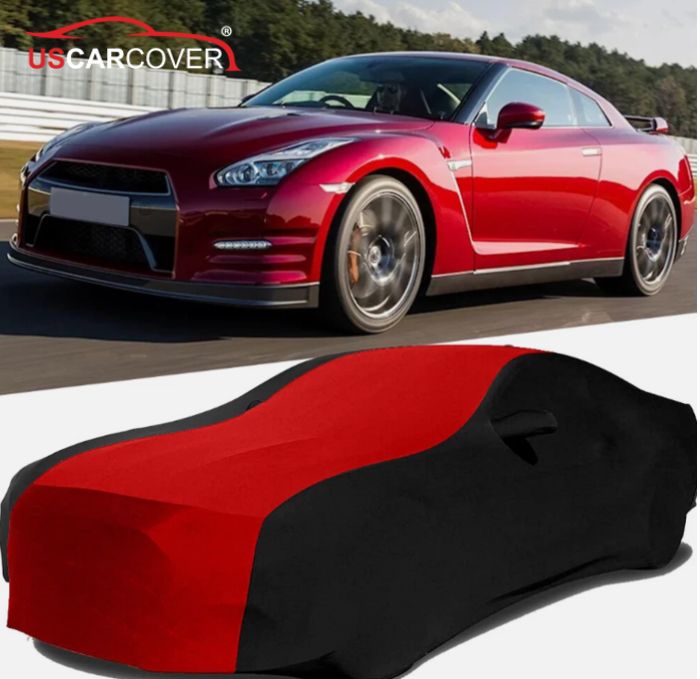
Owners of Nissan Frontier and Nissan Titan usually do not worry much about a bit of dirt. These trucks are tools: hauling materials, towing, going to job sites, driving on gravel, dirt and construction roads. That means: The underbody is regularly coated in mud, dirt, sand and small stones. The truck bed often gets scratched when loading pallets, tools and machines. In winter, the entire vehicle is soaked in a mix of snow, slush and road salt.
If you do not use Nissan car cover when the truck is parked outside: Mud, water and salt on the body, wheel arches and bumpers have more time to sit on the surface and seep into seams, welds and folds. When they dry, salt crystals remain bonded to metal surfaces, waiting for the next bit of moisture to continue the corrosion process. The bed begins to develop small rust spots where it was scratched, which then spread if not caught early.
Those tiny rust spots under doors and along the bed rails slowly turn into longer patches and real problem areas if ignored. Through that entire process, Nissan car cover is one of the factors that reduces the time the truck sits with dirty, salty moisture on its surfaces.
Related Articles: Mitsubishi car cover: the protective jacket for Mitsubishi CUVs, SUVs and sedans
Selling or trading the car: when the “final bill” makes you wish you had used Nissan car cover
The moment when all of this becomes painfully clear is usually when you go to trade the car in or list it for sale. At that point: The dealer walks around the car and spots half a dozen deep scratches, several dull paint patches and stubborn water stains. They open the door and see a wrinkled driver seat, a steering wheel with wear marks and a dash with some discoloration. Then they say the familiar line: “The mechanical side of your car is good, but the outside and interior will need quite a bit of work, so this is the best number we can do"
If the car had been protected by Nissan car cover in those early years, the paint and interior would have taken fewer hits from sun, rain and grime. You would not be watching such an obvious difference on the offer sheet between a car that was covered and one that lived outside bare.
Related Articles: Mini car cover: compact like your Mini, but offers complete protection
The technical view: why cars age faster than we expect
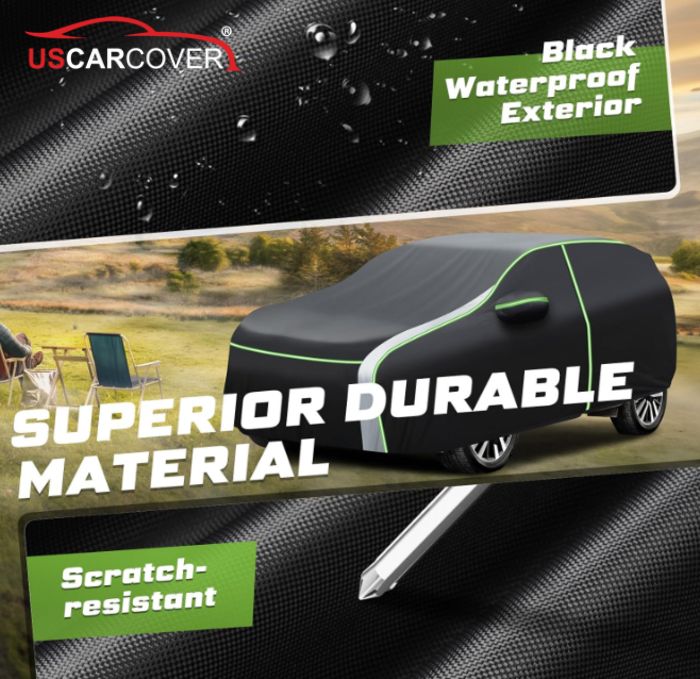
It is natural for a car to age over time. But why do cars of the same age sometimes look so different, with one still “presentable” and the other clearly tired? Part of the answer is maintenance, and another part is the simple “yes or no” to consistent use of Nissan car cover over the years.
Paint and clear coat: a thin “skin” over the body
The paint on your car is like its skin. It is made up of several layers: anti corrosion treatment, base color and clear coat. The clear coat is there to: Protect the color layer from UV, mild chemicals and light abrasion. Give the paint depth, gloss and that “glass” effect when you look at it.
Without Nissan car cover, the clear coat: Is always facing UV directly, which slowly breaks down its structure. Is heated again and again, especially on dark panels under summer sun, which makes the material age and harden faster.
Once the clear coat is weakened, every other factor such as bird droppings, sap, harsh cleaners and abrasive dust has a deeper impact and is harder to polish away. That is when you start spending money on polishing, paint correction and even repainting whole sections of the Nissan.
Metal, underbody, dirty water and road salt: a “team of four” that creates rust
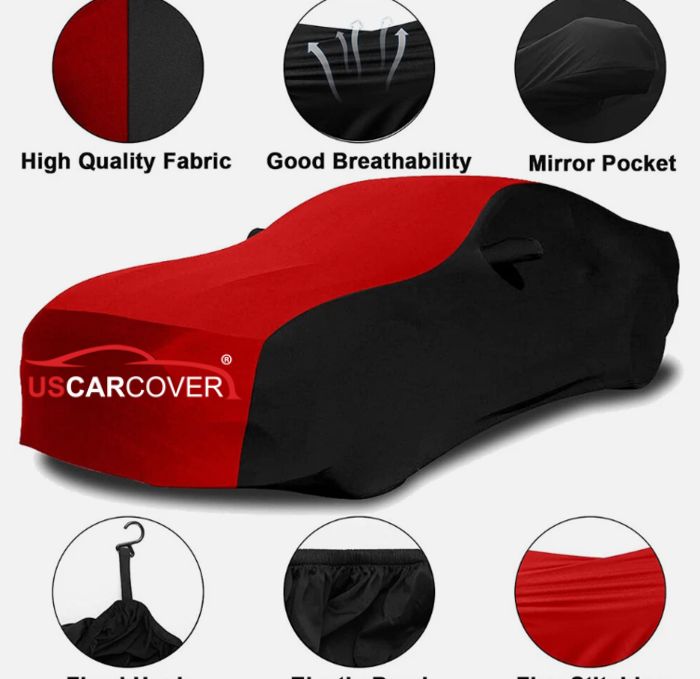
For SUVs, pickups and even sedans that often run in colder regions, the underbody and lower metal areas are very vulnerable. On salted roads: Slush mixed with salt splashes onto the underbody, wheel housings and lower panels. Water sits there and then dries, leaving a layer of salt on the surface. A new wet and dry cycle begins when the car hits water again.
Rust starts in small points, then eats gradually deeper into the metal. When the car is parked outside without Nissan car cover, the body continues to face moisture in the air, dew and light rain, so those small rust spots get regular chances to grow.
Related Articles: MG car cover: sun, rain and city dust protection to keep paint and interior looking new
Where should you buy a quality Nissan car cover?
By now, if you understand that you need a Nissan car cover, the next question is not “Should I buy one?” but “Where should I buy it, and which type makes sense for my car and where I live?”
The dangers of cheap, universal tarps
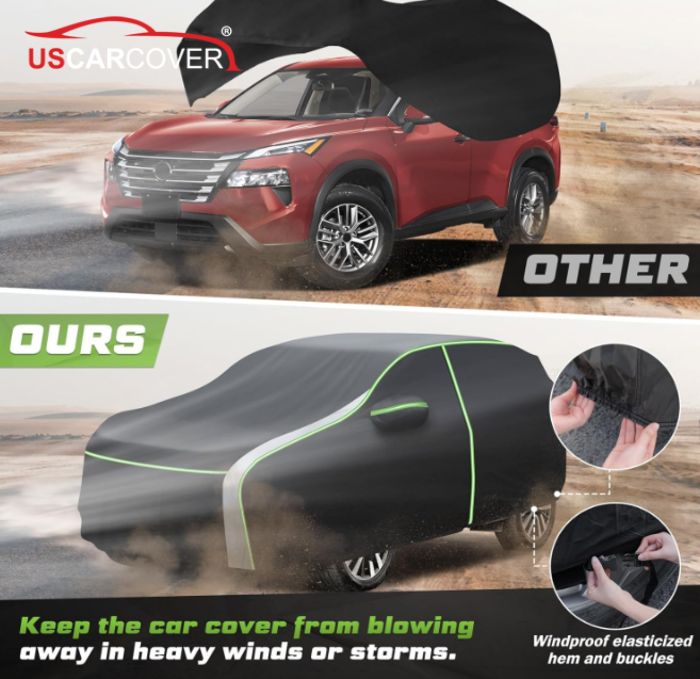
The quickest solution many people think of is a cheap generic tarp. However: An oversized cover flaps in the wind, and the fabric repeatedly slapping against the paint will eventually create fine scratches along wind patterns. Non breathable materials trap moisture under the cover, which can promote mildew and keep condensation sitting right on the paint. Rough, hard inner surfaces mean every on and off cycle is significant abrasion against the finish, especially if the car is not perfectly clean.
You may spend money thinking you are buying a Nissan car cover, but actually increase the risk to your car. That is why it makes sense to choose a specialist supplier that understands car covers, weather and vehicle sizes in the U.S.
Related Articles: Mercury car cover: preserving the value of a discontinued brand
Why USCarCover is a strong choice when looking for Nissan car cover
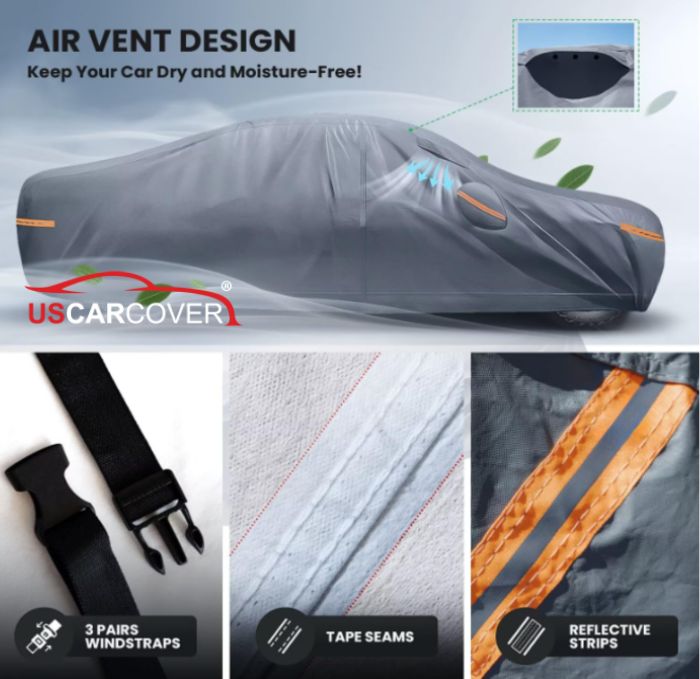
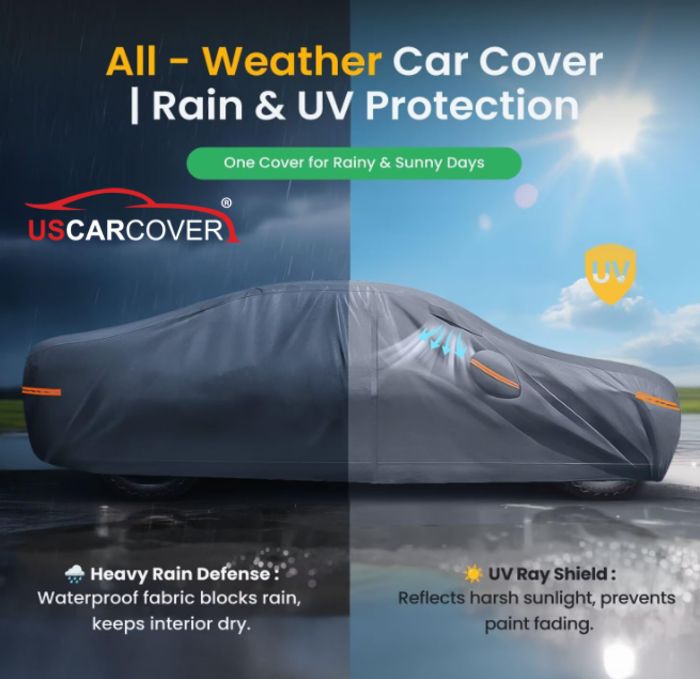
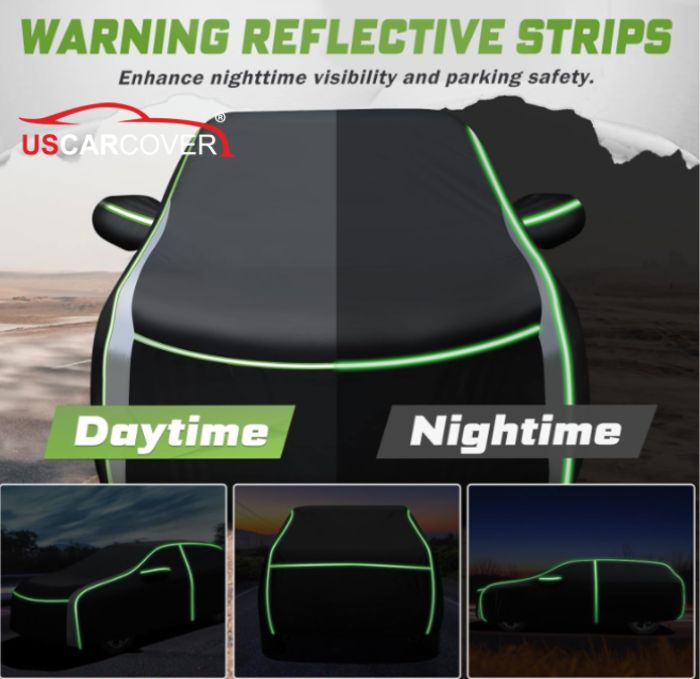
For Nissan owners in the U.S., USCarCover is a brand worth considering when you shop for Nissan car cover: They focus on the U.S. market and design covers to handle sun, rain, snow, dust and road salt that are typical of local conditions. Products are sized and shaped for different body types, covering many popular Nissan models from sedans and CUVs to SUVs and pickups. Materials are often multi layer, combining reasonable water resistance and UV protection with breathability and a soft inner lining that is gentle on paint.
When you put a Nissan car cover from USCarCover on your car, you are not just tossing something over it to hide dust. You are giving your Nissan a protective layer that was intentionally designed for how and where you actually use the car.
