
When you own a Mitsubishi in the United States, it is very common to think, “Japanese cars are durable, I just drive it and don’t need to worry too much.” But after a few years of parking outside on the driveway, in an apartment lot, at the office lot or on the street, you start to notice the paint is not as glossy as when it was new, the glass has water spots, the interior looks faded and the exterior plastics look dull. That is when many owners suddenly realize that the “durability” they always mention mainly refers to the engine and structure, while the exterior and interior are still being “eaten away” by the weather every single day if they are not protected.
In the mixed climate of the United States, harsh summer sun, sudden showers, light snow, morning frost, road dust, falling leaves and bird droppings are almost a “fixed menu” you cannot avoid. At that point, a proper Mitsubishi car cover is no longer a luxury accessory, but a very practical protective jacket for every Mitsubishi CUV, SUV and sedan. That jacket not only keeps the car cleaner, it directly affects the car’s real-world value, maintenance costs and resale price over the long term.
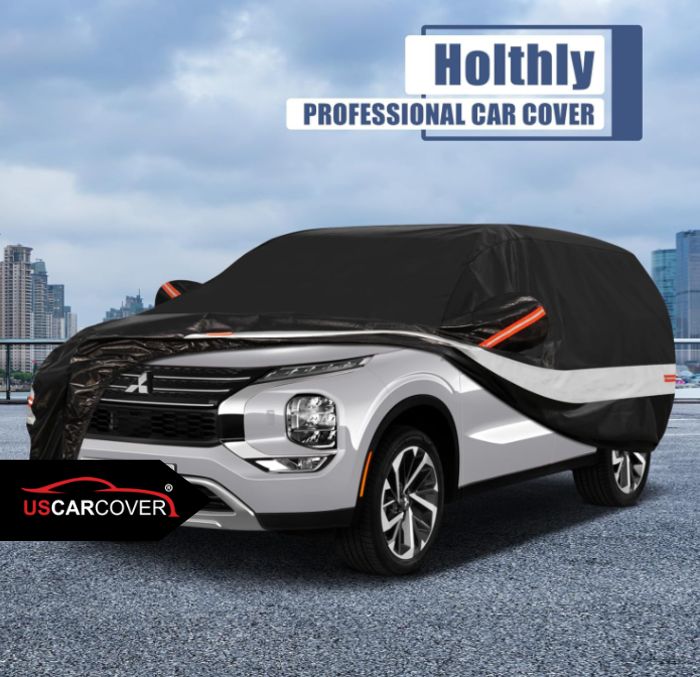
This article will dive into the real pain points of Mitsubishi owners in the US, explain in detail why you should use a Mitsubishi car cover for CUVs, SUVs and sedans to cope with mixed conditions of strong sunshine, heavy showers and light snow, and then analyze specifically the damage mechanism, the consequences and how a good car cover can solve those problems. Finally, we will look at things from a financial angle, daily usage habits and where you should buy a quality Mitsubishi car cover in the US.
Related Articles: Mini car cover: compact like your Mini, but offers complete protection
The portrait of Mitsubishi owners in the US and the habit of “mostly parking outdoors"
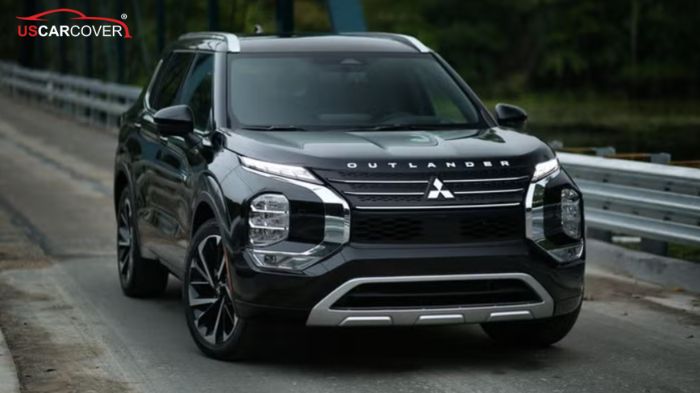
If you look at how Americans use their Mitsubishi vehicles, you will see these are usually very “everyday”, practical cars. Mitsubishi Outlander, Outlander Sport, Eclipse Cross are popular choices for families that need a CUV or SUV that is easy to use and easy to maintain. Mitsubishi Mirage, Lancer or other small sedans fit people who commute to work, students, second cars in a household or cars that are driven a lot every day.
Because of that, most Mitsubishi vehicles in the US end up in these situations: They are the main family car, used constantly, not spending much time “resting” in a closed garage. If there is a garage, it is often reserved for more expensive cars, classic cars or for storage, while the Mitsubishi is left outside on the driveway. Sedans and hatchbacks are often parked in apartment lots, office lots and public parking areas, where permanent shade is rare. Some vehicles are used for work, carrying passengers or light cargo, or doing Uber, Lyft; they are parked wherever is most convenient.
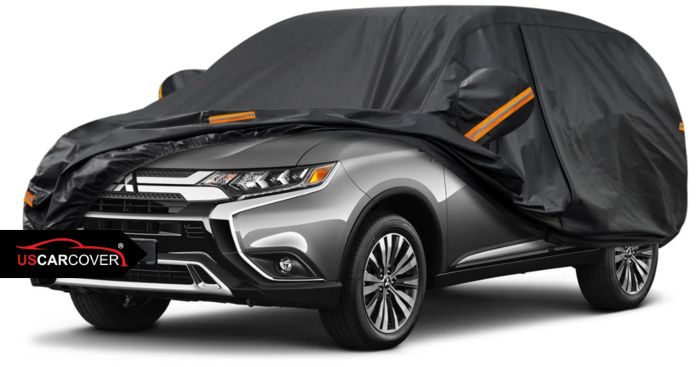
In other words, even though Mitsubishi is famous for durability, the car’s daily “living environment” is quite harsh. Every morning you go out and see the windshield covered with a thin layer of dew or yesterday’s water spots; in the afternoon it bakes in an open lot; at night it sits bare under humid air, light rain or thin snow. Without a Mitsubishi car cover, the entire chain of “sun – rain – dew – dust” goes straight onto the paint, glass and interior without any barrier.
Related Articles: MG car cover: sun, rain and city dust protection to keep paint and interior looking new
Mixed climate in the US: harsh sun, heavy showers, light snow and what they really do to your car
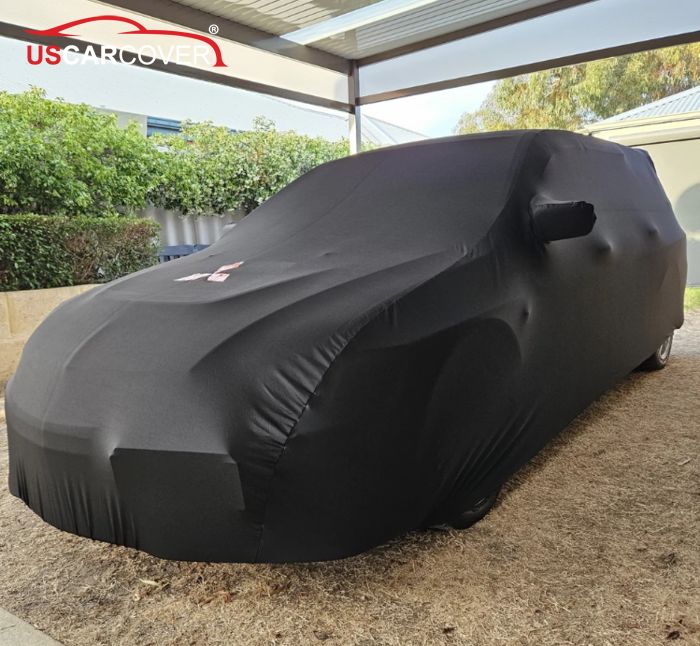
To understand why a Mitsubishi car cover matters, you need to look at what the weather actually does to your car, not just how it feels, but the real mechanisms behind it.
Strong sun and UV rays
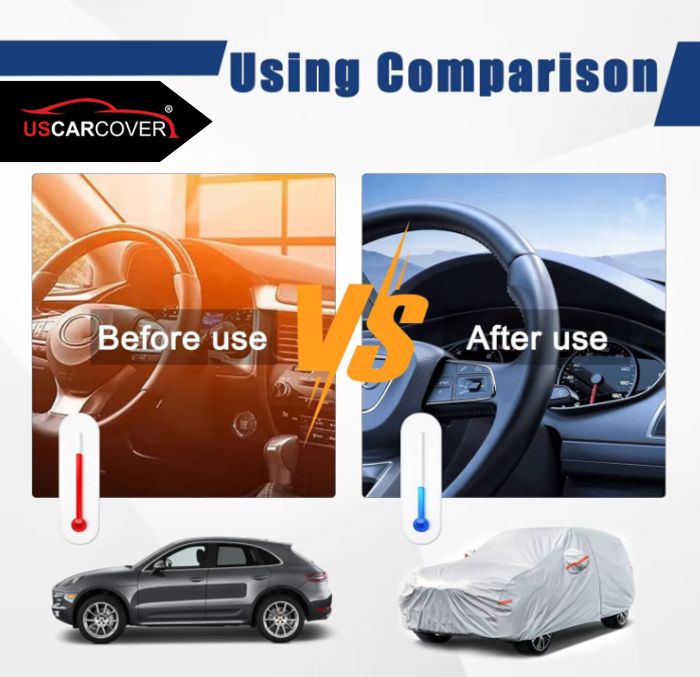
In summer in many states, road surface temperature and solar radiation are very high. If your Mitsubishi sits outside all the time, especially taller CUVs and SUVs with big roof areas, you will face: The paint slowly losing gloss and depth of color, especially on the roof, hood and trunk lid. Headlights and taillights starting to yellow and haze as UV rays break down the clear plastic lenses. Exterior plastics and rubbers around the glass, trim pieces and spoilers drying out, forming microcracks and then turning dull. The interior, particularly the dashboard, steering wheel and leather or fabric seats, fading and drying, prone to cracking where the sun hits often.
UV rays do not “burn” instantly. They act more like a slow aging process. On any given day you might not see anything, but after a few summers, if you park your Mitsubishi next to the same model that has been better protected, the difference becomes very obvious.
Showers, long rains and high humidity
Many people think rain just makes the car dirty, and washing will fix it. In reality, rainwater carries dust, pollutants and dissolved minerals from the air. When water sits on paint and glass and then dries under the sun, it leaves: Mineral spots on glass and paint that become harder and harder to remove completely. Stubborn deposits around logos, window trims, door moldings and panel gaps. Water running into gaps between panels and rubber seals; if it dries slowly, it creates favorable conditions for rust to start from the inside.
Without a Mitsubishi car cover, every shower means the entire body of your car is in direct contact with dirty water, then gets dried in the least favorable way when the sun comes back out.
Light snow, frost and temperature swings
In many regions, there might not be heavy blizzards, but light snow, thin ice and frost are common in winter: Water freezes on glass and body panels and melts, then refreezes many times during the season. Paint, glass and plastic surfaces go through repeated expansion and contraction cycles, weakening the protective layers over time. Dirty water from the road, loaded with salt and de-icing chemicals, splashes onto the underbody and lower body panels and builds up as stubborn grime.
Without a Mitsubishi car cover, your Outlander or Eclipse Cross lies all night under frost. In the morning you have to scrape ice off the windshield and if grit or dust is present, you might scratch the glass. Repeat that over many winters, and the car ages faster than its actual years.
Related Articles: Mercury car cover: preserving the value of a discontinued brand
Why durable Japanese cars still need a Mitsubishi car cover to protect the “skin” on the outside
The durability of Mitsubishi is usually mentioned in terms of engine, transmission, drivetrain and frame. The car takes long trips, carries loads well and is not prone to frequent breakdowns. But the “skin” on the outside, including the paint, clear coat, glass, plastics, rubber, leather and fabric, is what takes nearly all of the direct environmental impact.
If you focus only on mechanical maintenance and ignore the exterior, your car falls into this situation: The mechanical side is still strong but the exterior looks old, dull, with many fine scratches and water marks. The interior feels tired, and you no longer feel that little joy when you sit inside like you did on day one. When you want to sell or trade in, the exterior is the first thing that pushes the value down or allows buyers to negotiate much lower.
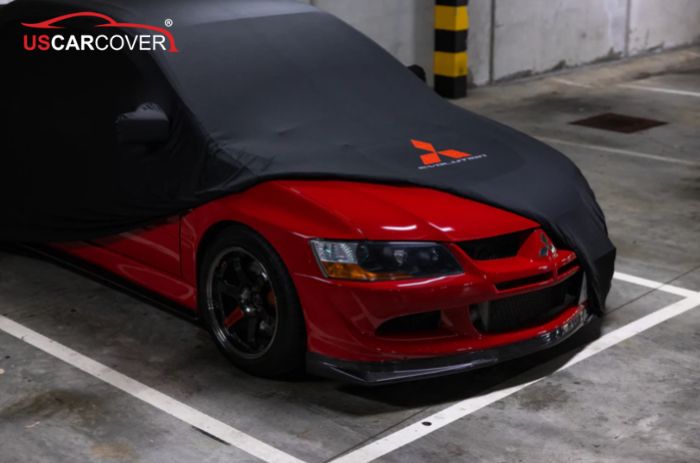
Here, a Mitsubishi car cover plays the role of a second skin, taking the hit so the real skin does not have to: It blocks a large portion of UV rays, helping both paint and interior age more slowly. It keeps most of the rain, dew and light snow from contacting the paint directly, reducing opportunities for mineral spots and rust. It catches dust, leaves, bird droppings and tree sap so you can deal with them on the cover instead of on the paint surface.
You can imagine that no matter how healthy your body is, if you walk in sun and rain all year without a shirt, your skin will still burn and develop spots. Your Mitsubishi is the same. It is mechanically strong, but still needs a “shirt” if you do not want the outside to wear out for no reason.
Related Articles: Mercedes-Benz car cover: keeping the cabin cool, blocking strong UV and reducing maintenance
Mitsubishi CUVs and SUVs: large body surfaces, more exposure to sun and rain, and how Mitsubishi car cover helps
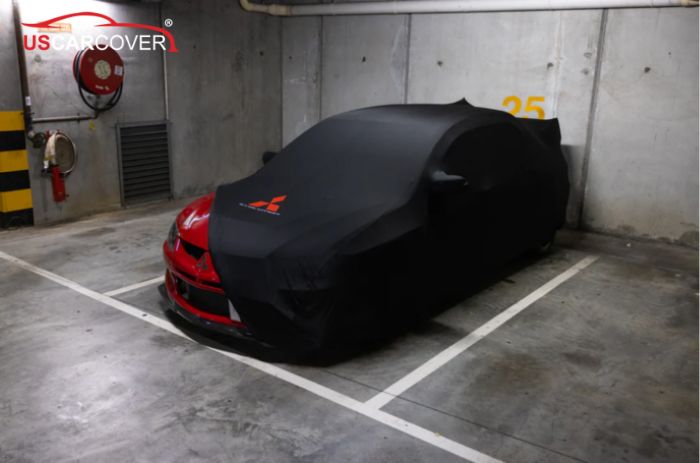
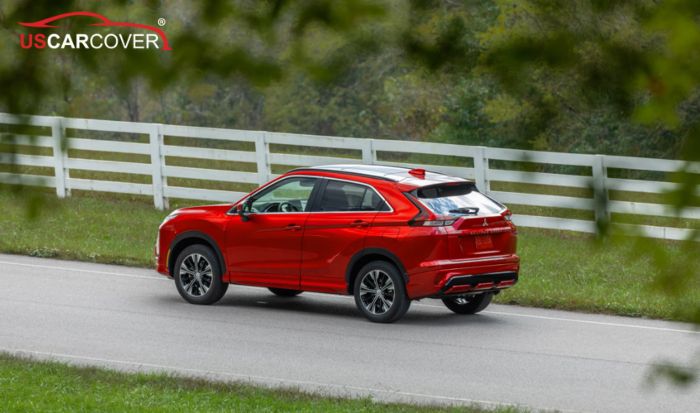
For CUVs and SUVs like Mitsubishi Outlander, Outlander Sport and Eclipse Cross, the issue is not just that the vehicle is tall and big, but that the upper body becomes a “landing zone” for everything coming from the sky.
When parked outside: The entire roof area takes direct sun and rain, and often for longer, because the roof is rarely shaded. The windshield, rear glass and sometimes panorama glass roof are the main spots where heat and UV concentrate. The large body surface means more dust, leaves and bird droppings accumulate over time.
Without a Mitsubishi car cover, each evening when you arrive home, you leave your Outlander to sleep on the driveway. The next morning, you open the door to a hot cabin, a steering wheel and seats that feel burning, glass with spots and a roof coated with fine dust or bits of leaves. Even if you wash regularly, the accumulated impact of UV, moisture, dust and chemicals still makes the car age faster.
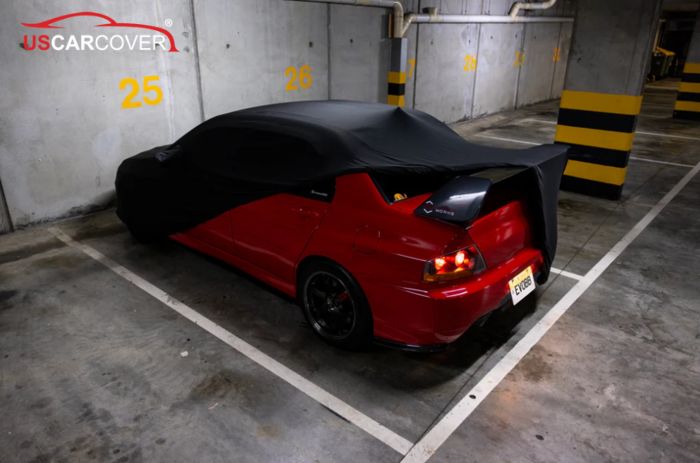
When you use a Mitsubishi car cover designed specifically for CUVs and SUVs: The cover wraps the tall body shape, following the rooflines, glass and sides, reducing the parts of the car that are exposed directly. The outer fabric layer resists water and blocks UV, so the upper body panels are not “cooked” directly. The soft inner lining hugs the surface and reduces flapping in strong winds, avoiding rubbing that could cause fine scratches. When you remove the cover, you step into a cabin that is cooler, cleaner and less sun-baked, with fewer dusty surfaces and odors.
Over time, if you compare a Mitsubishi SUV with regular car cover use and another one left bare, same age and mileage, the difference in how fresh the exterior looks will be obvious.
Related Articles: McLaren car cover: protecting carbon bodywork, high end paint and the sports car shape
The financial view: Mitsubishi car cover and the long-term cost equation
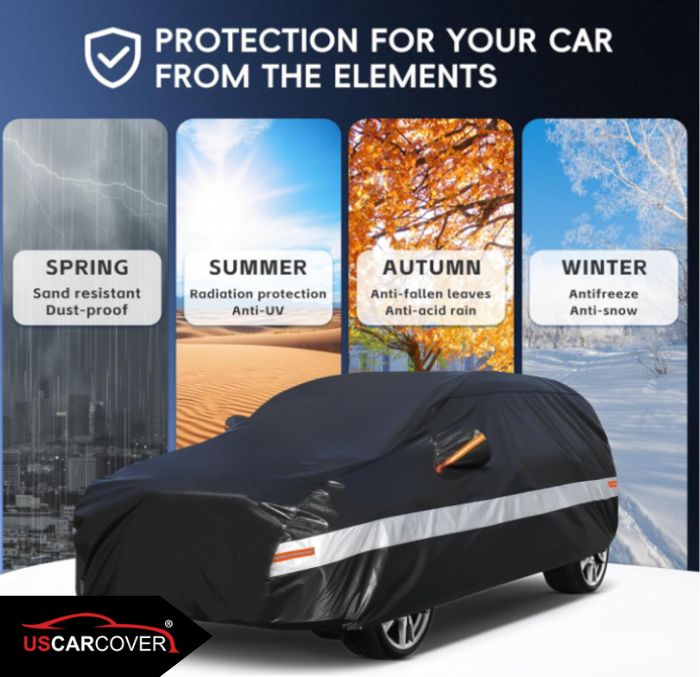
If you look at the short term, a car cover is an extra purchase. But if you stretch the timeline to three, five or seven years of ownership, a Mitsubishi car cover becomes a tool that helps you save money.
Here are some common costs that arise as the exterior degrades: Full paint correction and polishing after a few years can be quite expensive if done properly. Repainting bumpers or fixing deep scratches and faded spots also costs more than a good car cover. Restoring or replacing yellowed, hazed headlight lenses is not cheap if you want quality results. Deep interior detailing, refurbishing leather seats or replacing badly scratched plastic trim all add up.
If you add these costs over the life of the car, the total can easily be many times the price of one good Mitsubishi car cover.
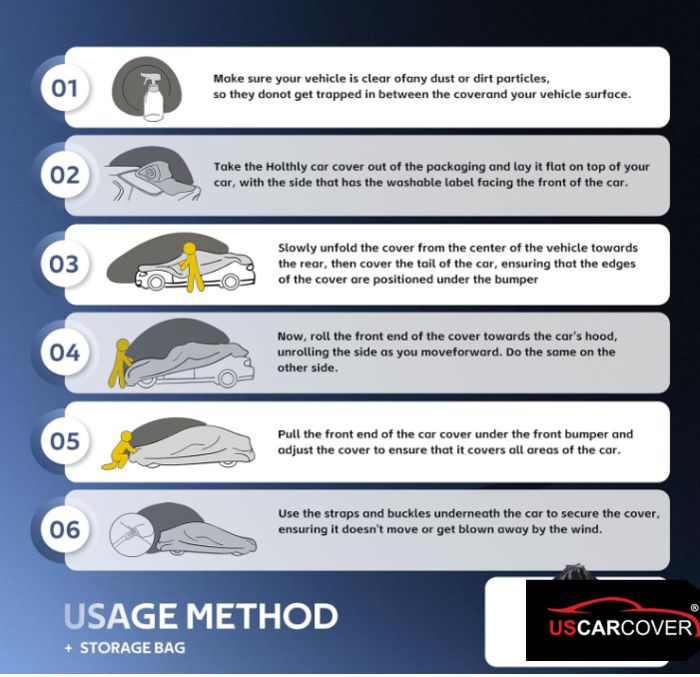
Meanwhile, when you regularly use a Mitsubishi car cover: The frequency of full polishing, repainting and headlight restoration drops. The car looks “presentable” a lot longer, helping you get a better price when you resell. You do not need to spend money or time on appearance-related services as often.
Essentially, a Mitsubishi car cover is a small investment that lets you manage exterior and interior maintenance costs in a proactive way instead of waiting for damage and then paying to fix it.
Related Articles: Lucid car cover: protect your EV and keep the extra-large glass roof and cabin safe
Where should you buy a quality Mitsubishi car cover?
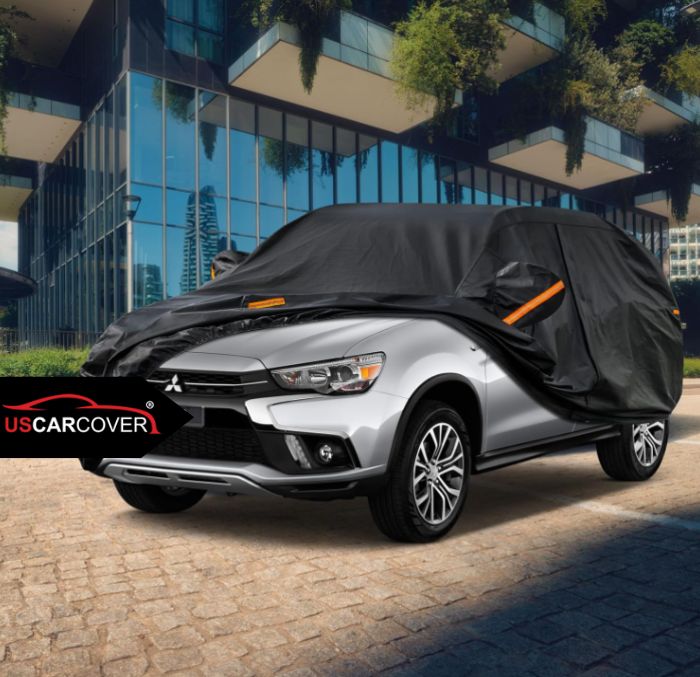
Once you decide to invest in a Mitsubishi car cover, the next question is finding a reliable source. This is not something to rush, because a poor-quality cover: Can scratch the paint due to a rough inner surface. Can trap moisture if it does not breathe, leading to odors inside and even starting rust spots. Can have too much loose fabric, flapping in the wind and slapping the body panels.
To avoid these risks, you should look for a supplier that specializes in car covers, understands the dimensions and shapes of different models and knows the realities of climate in the US. Among those, US Car Cover is a very solid option to consider when you need a Mitsubishi car cover for your CUV, SUV or sedan.
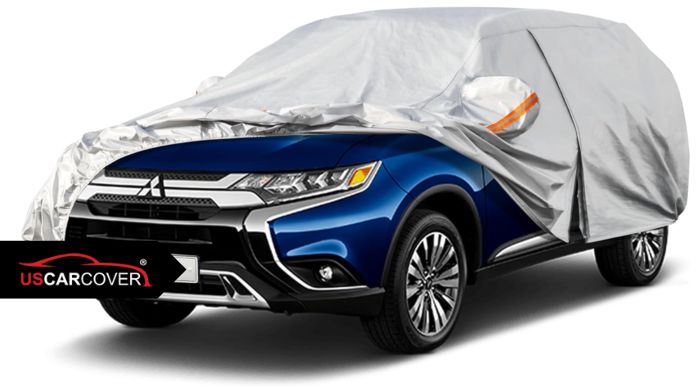
With a Mitsubishi car cover from US Car Cover, you gain several advantages:
Designed to fit Mitsubishi: covers are sized and cut to hug specific groups of Mitsubishi vehicles, from Outlander, Eclipse Cross, Outlander Sport to Mirage, Lancer and others, minimizing extra fabric that can flap in the wind.
Soft inner lining: reduces friction and is friendly to paint and glass, lowering the risk of micro-scratches as you put the cover on and take it off.
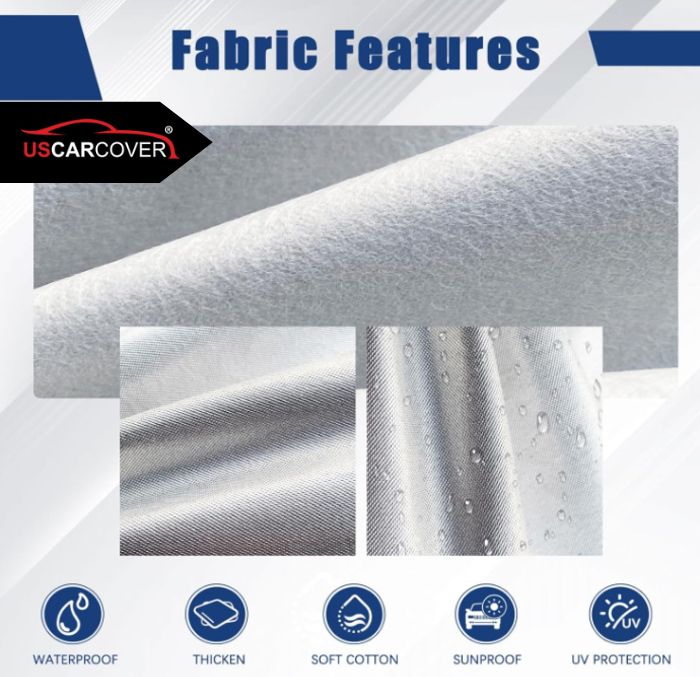
Materials optimized for outdoor parking: resistant to water and UV, helping block dust, leaves and bird droppings while remaining breathable enough so moisture does not build up underneath.
Easy handling: reasonable weight, straightforward folding and a convenient storage bag make it easy to keep the habit of using the cover daily without feeling annoyed.
If you have already spent time and money choosing a durable, reliable Mitsubishi for your family, upgrading with a Mitsubishi car cover from US Car Cover is the logical next step to protect both the mechanical value and the appearance of your vehicle.
