
Mercury car cover may sound like a simple cover at first, but for anyone who owns a Mercury in the United States it is actually a “ticket” that helps preserve the value of a discontinued brand. When Mercury stopped building new cars, every remaining vehicle on the road or in your garage became more special. It is becoming rarer, often tied to memories of family and different stages of life, or simply “an older car that still runs great.” Because of that, letting the car deteriorate quickly under sun, rain, dust, falling leaves or humidity is a real shame and something that can be avoided if you actively use a suitable Mercury car cover.
This article goes deep into the pain of “a discontinued brand losing value over time,” explains why paint, interior and exterior details on a Mercury need extra protection and shows how a quality Mercury car cover can slow down aging, reduce maintenance costs and preserve that proud feeling every time you look at your Mercury.
Related Articles: Mazda car cover: is protection against UV, showers and fine dust really necessary?
Mercury as a discontinued brand, but the value of the car continues
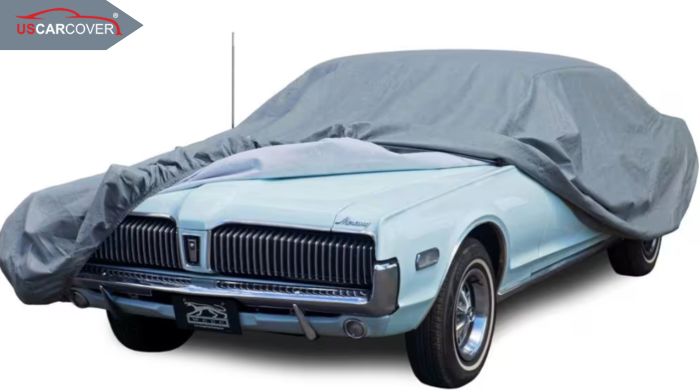
When a car brand shuts down, the vehicles that remain on the road become “witnesses” to an entire era. That is exactly what happened with Mercury. Although there are no new models, cars like the Mercury Grand Marquis, Sable, Milan, Mountaineer and older Mercury generations are still serving their owners every day, from commuting and family duties to weekend trips.
The issue is that while the car still runs, its use value and collector value depend heavily on visible condition. That includes whether the paint still looks deep and glossy, the interior still looks tidy, the plastics and chrome parts are still clean and bright, the glass has few water spots and the body panels are relatively free from scratches. Once a brand is gone, finding the exact right parts or interior pieces to replace becomes harder and more expensive than for cars still in production. A big crack in the dashboard or severely sun burned, faded paint can drag the value of the car down very quickly.
This is where you need to reconsider how you protect the car day to day. If your Mercury spends its time parked in a driveway, open lot, on the street or even in a dusty garage, adding a Mercury car cover is no longer a “nice to have accessory.” It becomes a real protection measure for a brand that has ended, but whose story is still alive on the car you are keeping.
Related Articles: McLaren car cover: protecting carbon bodywork, high end paint and the sports car shape
The pain of watching a Mercury deteriorate day by day, from paint and chrome to the interior
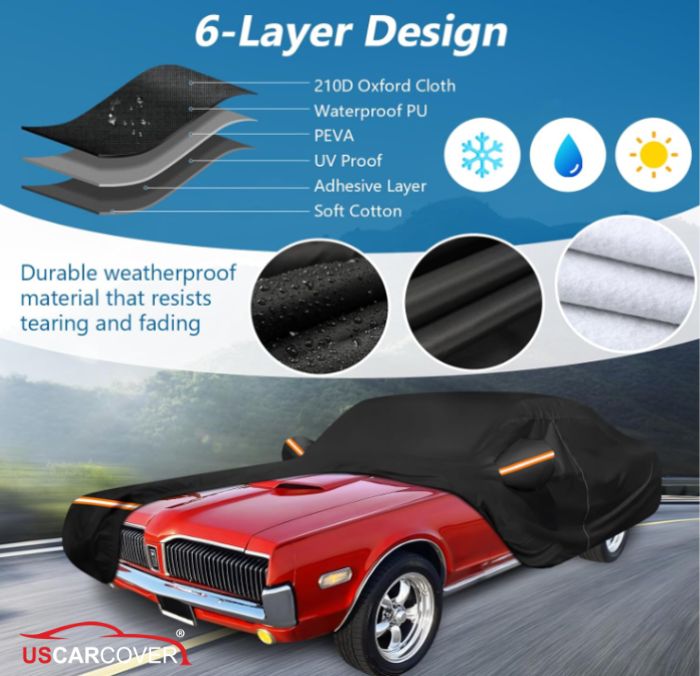
Most Mercury owners go through a similar timeline. In the beginning, the car is still relatively fresh or has just been purchased and looks pretty good. After a few seasons of sun, rain and snow, you start to notice the paint is not as deep as before, the chrome on the grille looks duller, the trim around the glass has light staining and the dashboard has lost its original color. At that point, if you want to “restore the look” of the car, you need polishing, paint touch up, seat reupholstery, dash repair or replacement of plastic and leather pieces, which is not cheap.
Common causes include: Parking outdoors for long periods, under direct sun, especially in sunny states. Heavy rain, acid rain and sprinkler water that leave rings and mineral spots on paint and glass. Fallen leaves, tree sap and bird droppings that sit on the car for too long and etch into the surface. Road dust, construction dust and city pollution building up in thick layers so every wipe becomes a risk for micro scratches. Humidity inside garages or storage areas, which can leave bolts, metal parts, lower edges, door bottoms and hinges with early rust and discoloration.
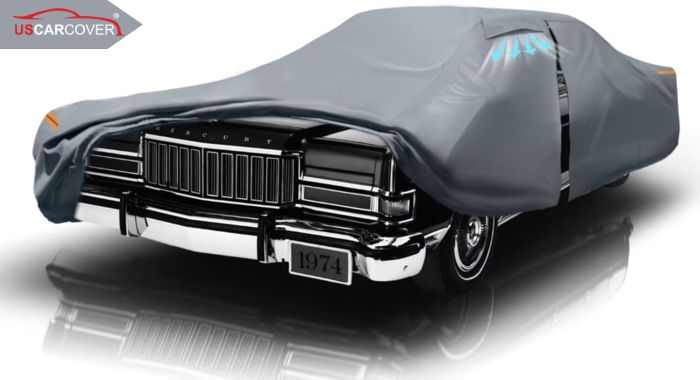
All of these factors make your Mercury age faster than its actual mechanical life, and because this is a discontinued brand, every new defect forces you to ask whether to spend real money to fix it properly or just ignore it and let the car look more tired.
If you had been using a Mercury car cover from the beginning, many of these impacts could have been reduced or avoided. That is why covering the car regularly, which may sound repetitive, is actually a smart “value preservation strategy."
Related Articles: Lucid car cover: protect your EV and keep the extra-large glass roof and cabin safe
Mercury paint and exterior, the first “coat” that a Mercury car cover needs to protect
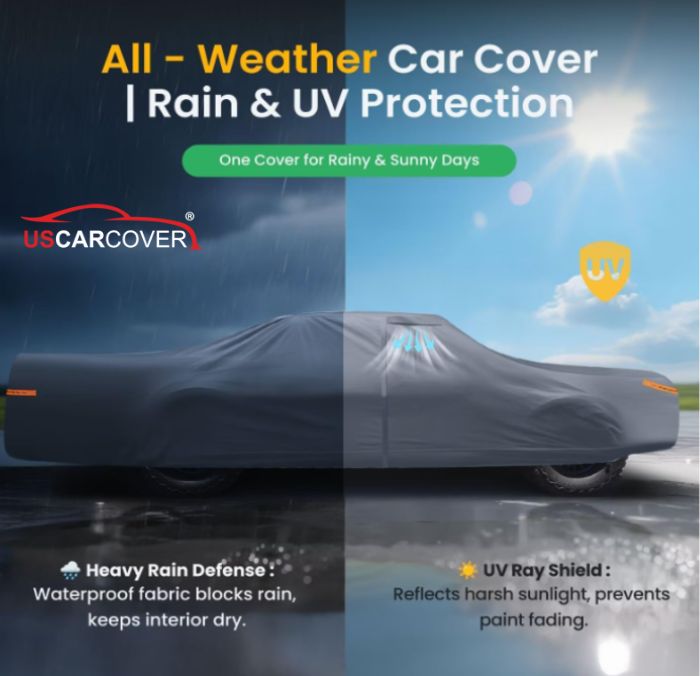
The exterior is always the first thing anyone sees. On Mercury models, many are older vehicles with paint that has already been through years of use. The clear coat, which is the outermost glossy layer, will lose its shine and depth if UV rays hit it too long. It can dry out, develop tiny cracks or “sun burn” that makes the surface look hazy and dull. Once the clear coat is badly damaged, restoring it to original condition is difficult and expensive.
Beyond UV, a Mercury exterior also has to deal with: Rain and mineral deposits: Rain or sprinkler water dries and leaves white rings. If those spots are not treated quickly, they begin to etch into paint and glass. Tree sap and bird droppings: Many of these have mild acidity. Left too long, they leave permanent marks on the paint that are hard to correct fully. Dust and fine particles: The thicker the layer, the more risk of micro scratches each time you wipe the surface with an improper cloth. Wind and blowing sand: Strong wind can carry twigs, small debris and sand that hit the body and scratch the surface
A Mercury car cover helps block a whole list of these factors right at the outer layer. When you cover the car, the fabric becomes the “first line of defense” against UV, rain, dust, leaves and droppings. Instead of landing directly on the paint and glass, these contaminants sit on the cover. When you remove or shake out the cover correctly, most of that dirt falls away
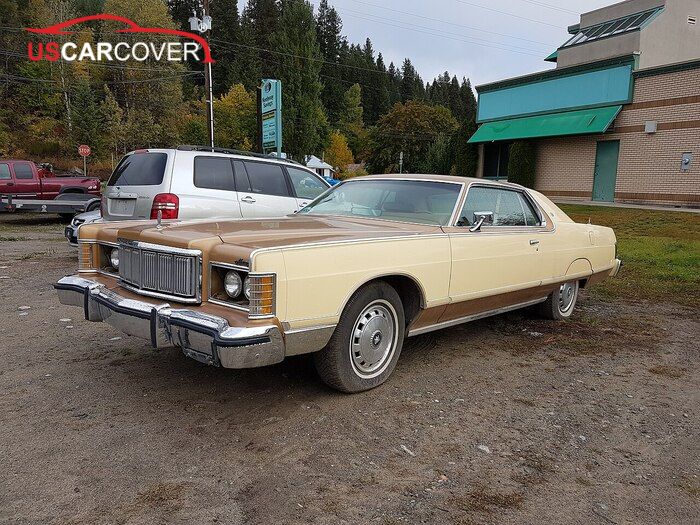
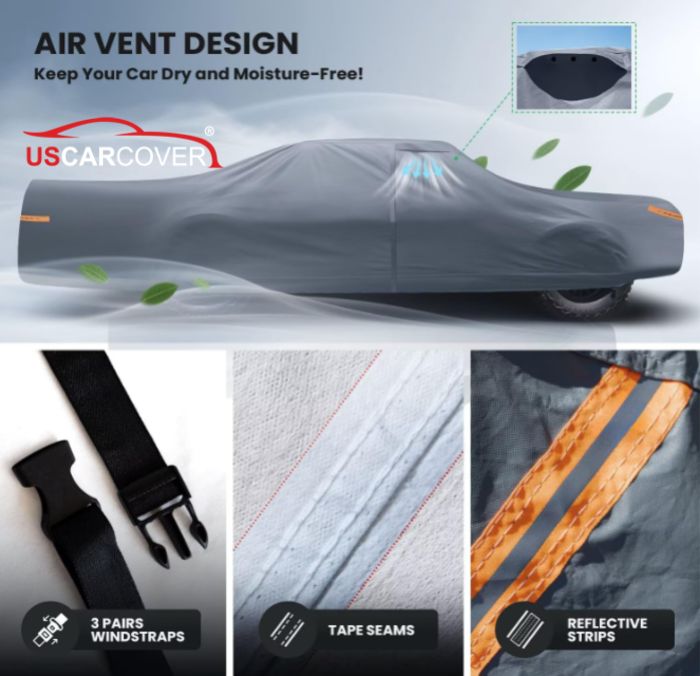
Of course, this requires the right Mercury car cover: A pattern that hugs the body and limits ballooning in the wind. Outer fabric that offers strong UV protection and good water resistance. A soft inner lining that will not scratch the paint when you put the cover on or take it off. A design that allows moisture to escape so you do not trap dampness under the cover.
With those conditions met, every time you cover the car you “score points” for the exterior. The car will need less frequent polishing, less touch up paint and fewer heavy washes, which helps keep the exterior of your Mercury stable for a much longer time.
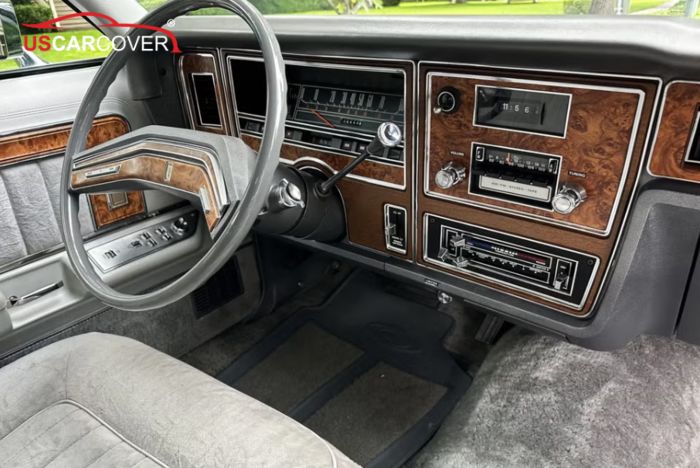
Mercury interiors, plastics, leather, fabric and cabin details also need to be covered carefully
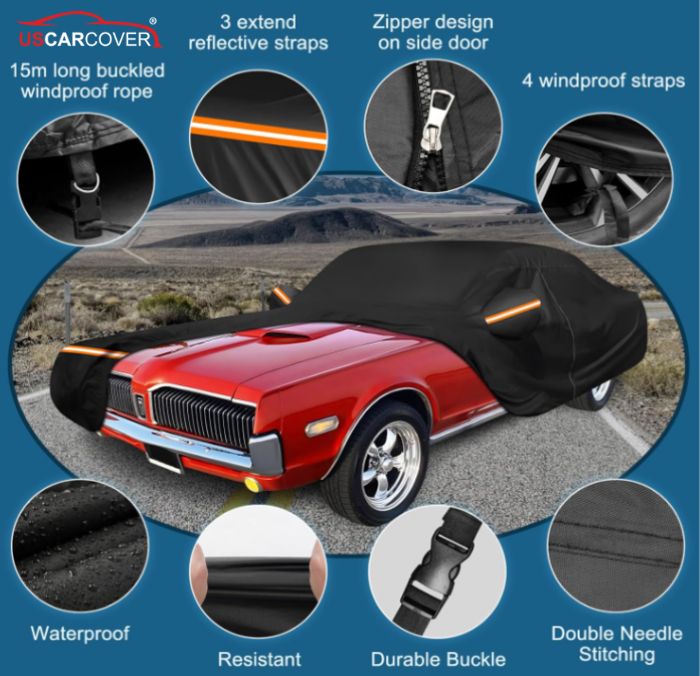
Many people think keeping rain off the car is enough and that the interior is always “safe” inside. In reality, strong sun and high heat are the top enemies of the cabin, especially in older vehicles like many Mercury models.
When a car is parked in the open, sunlight hits directly through the windshield, side windows and rear glass. If the car has a sunroof or roof glass, the impact is even stronger. The cabin becomes a greenhouse where the inside temperature rises far above the outside. After repeated hot and cool cycles, materials inside wil:
- Dashboard, door panels and plastic trim: fade, lose gloss, develop hairline cracks and sometimes warp slightly.
- Leather seats, leather steering wheels or covers: dry out, harden, become shiny in a bad way and later begin to crack.
- Adhesives, foam and padding: shrink, lose adhesion and cause rattles and misalignment.
- Screens and controls: face heat and UV that wear down the surface coating and make them more prone to scratching and haze.
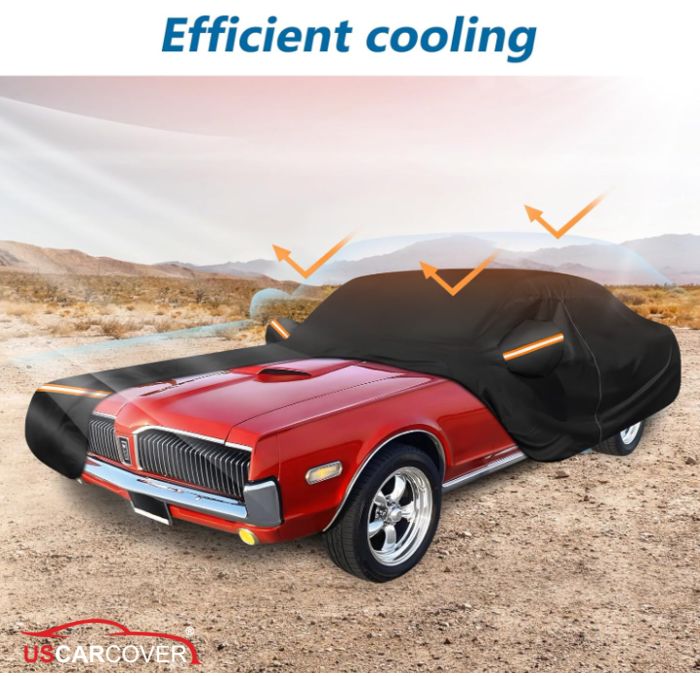
With a Mercury car cover in place, sunlight no longer beats directly through the glass into the cabin. Interior temperatures drop significantly. This not only makes it more comfortable to get in the car, it also extends the life of interior materials. Effects like leather drying, plastics fading and adhesive stress are all reduced. Over a period of years, this adds up to a big difference between a Mercury with a worn and tired cabin and one that still looks neat and well kept.
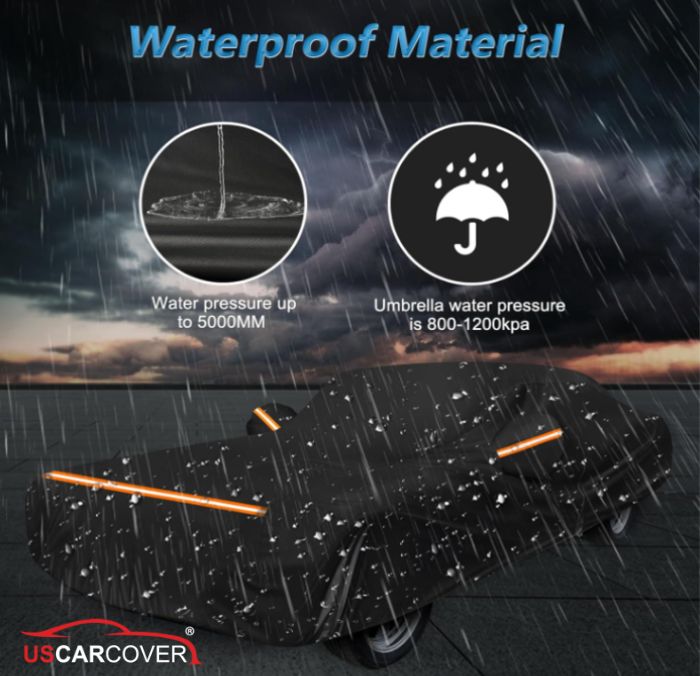
A car cover also helps limit:
- Fine dust blowing into the cabin when you park in outdoor lots, on construction streets or near busy highways.
- Water and mud splashing onto lower door areas and glass edges that can find their way inside.
- Dry leaves and small debris collecting in window channels and trim gaps, which can trap water later.
All these small details directly affect the feel of the car each time you drive it and also influence how others value the car if you ever sell it to another enthusiast who appreciates Mercury.
Related Articles: Lotus car cover: precision custom-fit, premium soft lining
Long term storage, when a Mercury car cover becomes a true “storage coat"
Many Mercury owners in the United States do not drive their car every day. Some use it only on weekends, some keep it as a “memory car” in the garage, others leave it at a vacation home, farm or in a dedicated storage facility. These vehicles sound like they have an easy life but actually face specific long term storage problems.
Between driving sessions, the car is exposed to: Dust building up into thick layers on paint, glass and body gaps. Humidity in garages, basements or storage units that causes bolts, metal components, lower edges, hinges and frame sections to develop early rust. Mold and odors if the cabin was already slightly damp and the air does not circulate well. Leaves, small debris, pet hair and insects collecting around the car and moving into small gaps.
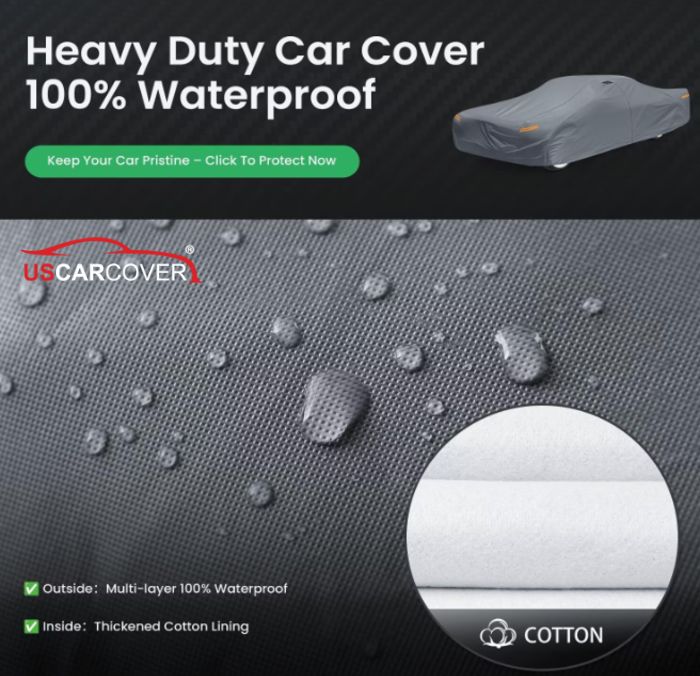
If you leave the car uncovered, you will have to invest a lot of effort every time you want to bring the Mercury back onto the road. That means deep washing, vacuuming, odor removal and checking for rust spots. If you use a Mercury car cover with a design suitable for storage, focusing on breathability, soft lining and a snug but non trapping fit, the situation is much better: Most dust stays on the surface of the car cover so the car underneath is relatively clean. Ambient humidity still exists but breathable fabric allows moisture to escape instead of condensing under the cover. Insects and small debris have less opportunity to work their way into glass channels and trim gaps.
When you decide to start your Mercury again after a long break, most of your work is on technical checks such as battery, tires, fluids and brakes, not fighting heavy dust and visible surface degradation.
Related Articles: Lincoln car cover: breathable, soft-lined, scratch-resistant for large bodies with lots of chrome
How to use a Mercury car cover so your car gets maximum protection?
Owning a good Mercury car cover is the first step. To get the full benefit, you should use it properly to protect paint and interior as effectively as possible. Before covering the car, if you can, remove loose dirt on the surface. Lightly spray off dust, use a blower or gently wipe down areas with heavy sand and dried mud. The goal is to reduce the number of hard particles that might get trapped between the cover and the paint.
When you put the cover on, start from the roof or windshield, then carefully pull the cover down along both sides and finally secure the front and rear. Avoid throwing the cover over the car and dragging it hard into place, since that can cause unnecessary friction between the fabric and the paint. When you remove the cover, fold and roll it from both sides toward the center, lift it away from the car and set it down only after it is off the vehicle. This limits how much the inner surface touches the ground. If the cover gets wet from rain, allow it to dry completely before folding and storing it to avoid mildew and unpleasant odors.
These small habits help ensure that the Mercury car cover remains a safe and helpful partner rather than accidentally becoming a source of new scratches.
Where should you buy a quality Mercury car cover?
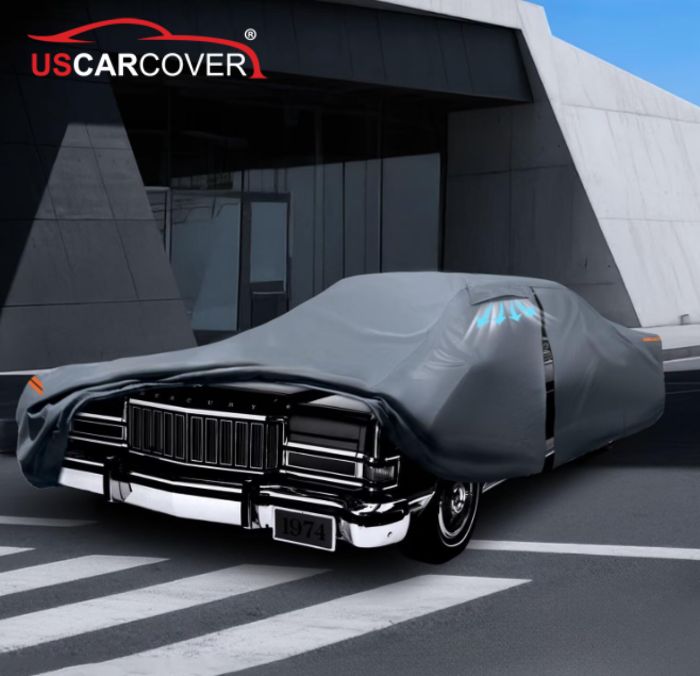
Once you understand the value of a Mercury car cover, choosing a reputable seller becomes a key decision. Because this is a discontinued brand, you should prioritize a supplier that specializes in car covers and has experience with many different models and ages of vehicles instead of choosing a cheap generic tarp.
In this segment, US Car Cover is a strong option for Mercury owners in the United States. This store focuses on car covers for many brands, including older models, so it is easier to find sizes and patterns that match the specific Mercury you own.
When you choose a Mercury car cover from US Car Cover, you can expect:
- Patterns that fit the different Mercury body styles such as sedan, wagon and SUV, so the cover hugs the vehicle and limits ballooning in the wind.
- A soft inner lining that is gentle on paint, chrome and glass, ideal for protecting older cars that carry both practical and sentimental value.
- Fabric with UV resistance, water resistance and breathability, suitable for many US climates from sunny Sun Belt states to cold, damp regions and coastal areas.
- Clear indoor and outdoor Mercury car cover options, making it easy to select the right one for garage parking or outdoor parking.
- Practical design that is easy to put on and take off, so daily use of the car cover does not feel like a burden but rather a simple habit.
Instead of relying on a low quality generic tarp, investing in a quality Mercury car cover from a professional supplier is how you show respect for your car and for the money and care you are putting into it.
Since Mercury is now part of the past, every remaining car is a small piece of that story. If you truly value your Mercury and see it as an asset rather than just “an old car to get by,” start by choosing a Mercury car cover that matches your climate and parking habits in the United States. Then turn covering the car into a small daily action. In return, you will keep the beauty, value and emotional connection to your Mercury much longer than if you leave it exposed to the elements with no protection.
