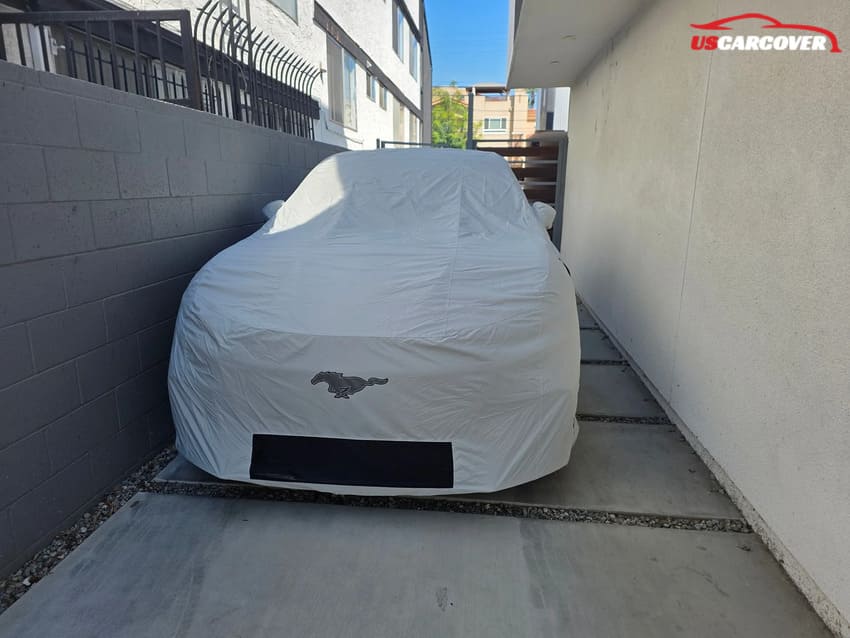
Protect Ford Mustang ownership is about far more than simple transportation, it’s about preserving an icon. A Mustang represents performance, design, and personality, and keeping it looking and driving like new requires intentional care. After years of hands-on experience as a professional auto detailing and vehicle care specialist, I’ve seen how even well-loved Mustangs can lose their edge when proper protection is overlooked.
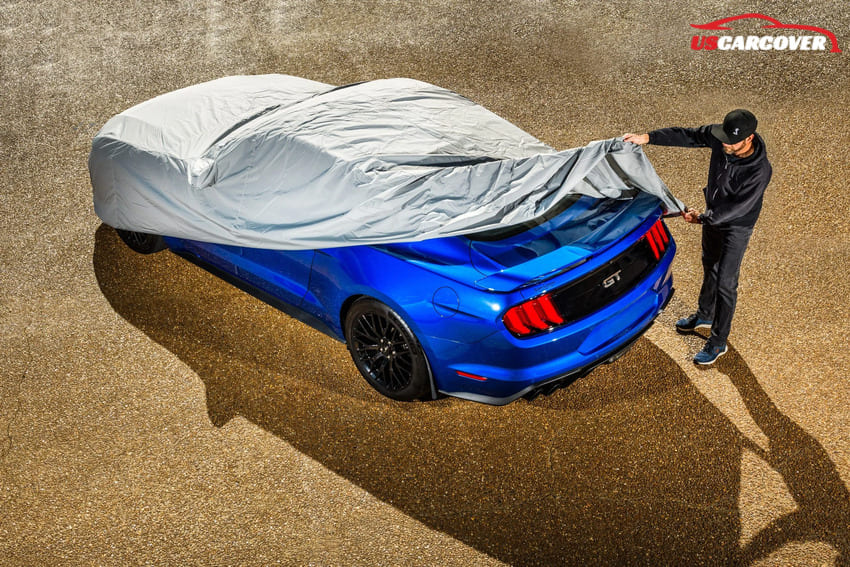
Modern Mustangs use advanced paint systems, high-performance materials, and sophisticated electronics. While these innovations improve driving experience, they also mean that paint, trim, interior surfaces, and mechanical components are more sensitive to UV exposure, environmental contaminants, improper washing, and long periods of inactivity. The good news is that with the right habits, most wear and damage are completely preventable.
In this guide, I’ll walk you through an actionable 10-step plan to protect your Ford Mustang - not theory, but proven methods used by professionals. You’ll learn how to safeguard the paint, preserve interior materials, prevent corrosion, maintain mechanical health, and extend long-term value.

We’ll cover proper washing, high-quality car covers, wax and ceramic protection, paint protection film, smart parking habits, interior care, rust prevention, battery and tire maintenance, and professional inspections, everything you need to keep your Mustang looking sharp, performing strong, and holding its value for years to come.
Related posts: How To Protect Your Eagle: Compact tools that matter in your car
Regular, Correct Washing
Protect Ford Mustang starts with one habit many owners underestimate: regular, correct washing. As a car care professional with years of hands-on experience detailing performance vehicles, I can say with certainty that improper or infrequent washing is one of the fastest ways to ruin a Mustang’s paint and accelerate corrosion.
Road dirt, brake dust, bird droppings, tree sap, and especially road salt contain abrasive particles and acidic compounds. When left on the surface, they slowly eat into the clear coat, cause paint etching, and expose metal underneath, leading to rust and long-term damage. Ford maintenance guidance clearly recommends frequent washing to preserve exterior finishes and prevent corrosion, particularly in harsh environments or winter conditions.
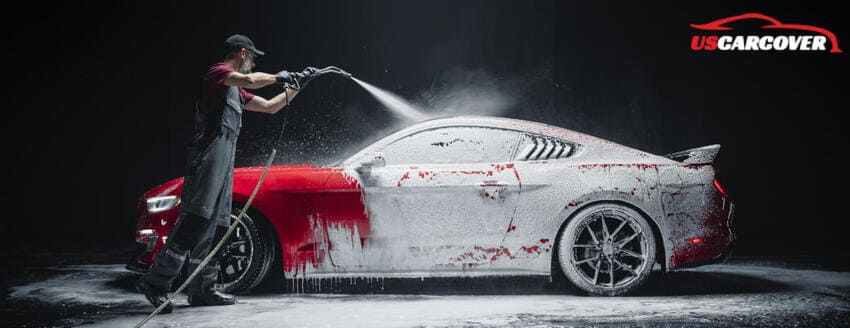
How to wash your Mustang correctly
To truly protect your Ford Mustang, technique matters just as much as frequency:
- Use the two-bucket method: one bucket with clean water, one with pH-balanced car shampoo. This minimizes the risk of rubbing dirt back onto the paint.
- Always use a soft microfiber wash mitt, never sponges or old towels.
- Wash from top to bottom, saving the dirtiest areas (lower panels and wheels) for last.
Rinse wheels and tires last, using separate tools, to avoid transferring brake dust onto painted surfaces.
How often should you wash?
Daily driver / street parked Mustang: every 1–2 weeks, or more often in winter or dusty areas.
Garage-kept or stored Mustang: wash before storage and periodically to remove settled dust and contaminants, as recommended by dealership service guidelines.
Pro tip: Pair proper washing with the right products. Consider linking here to a Mustang wash kit or a curated guide to the best car shampoos for performance vehicles to help owners maintain showroom-level paint protection.
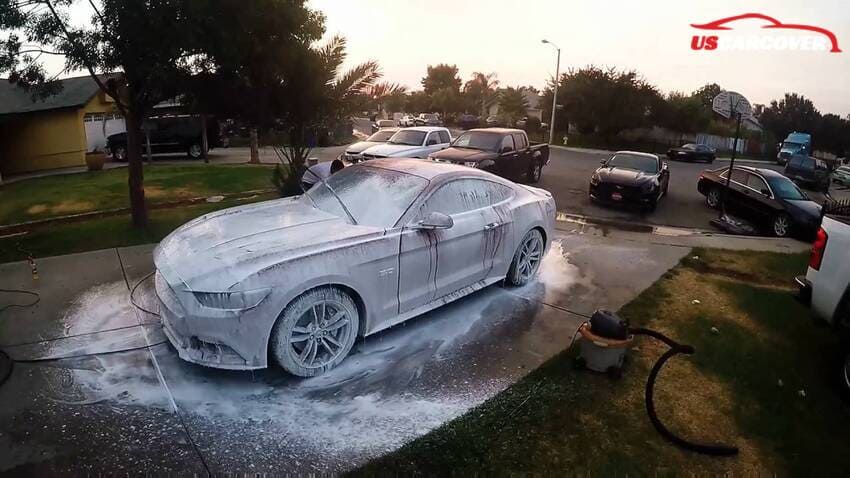
Use a High-Quality Car Cover
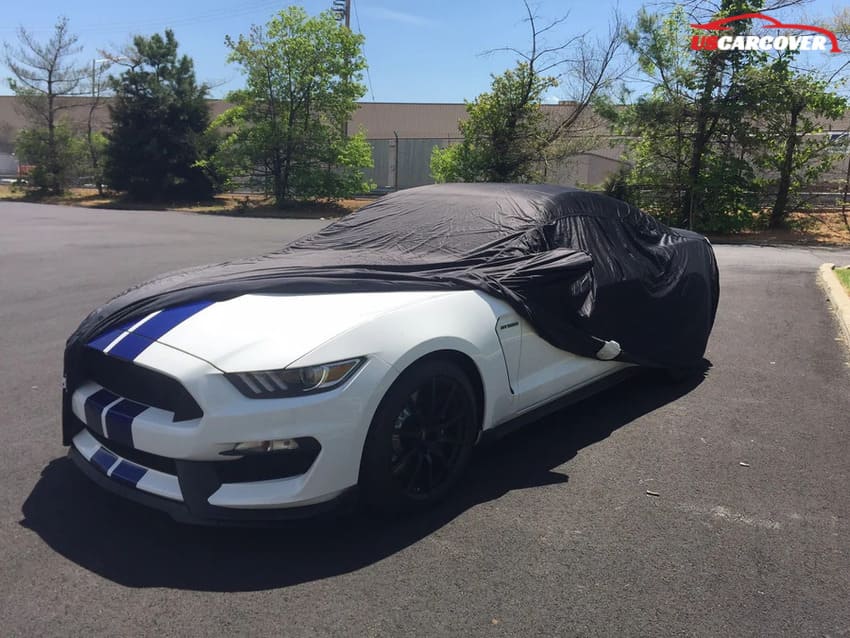
One of the most effective ways to Protect Ford Mustang over the long term is using a high-quality car cover. In real-world detailing practice, a properly chosen cover dramatically reduces UV damage, paint fading, dust buildup, bird droppings, and tree sap exposure, all of which silently degrade your Mustang’s finish.
Independent car care guides consistently confirm that UV rays and airborne contaminants cause clear-coat oxidation and micro-abrasions, especially on darker Mustang paint colors. A quality cover acts as a physical barrier, preserving paint depth and gloss while minimizing fine swirl marks caused by dust movement.
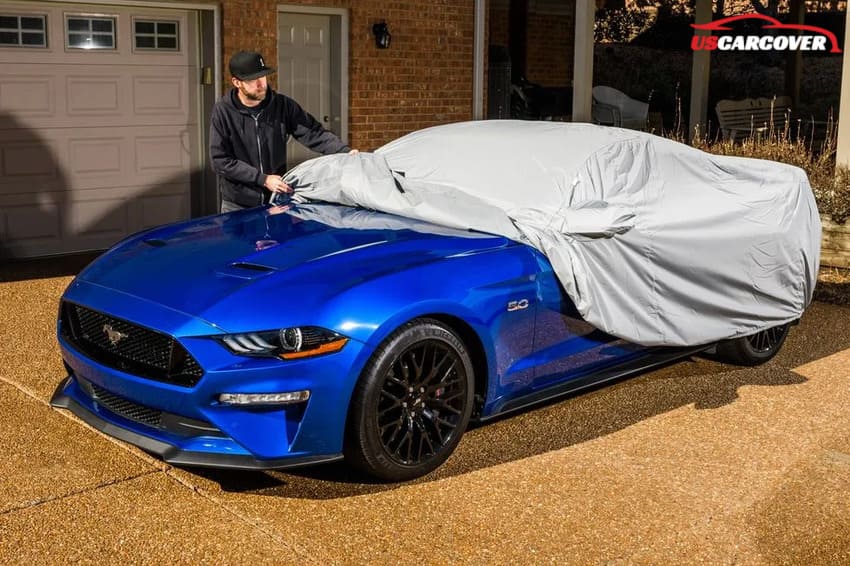
Choosing the right Mustang car cover
Not all covers are equal. To truly protect your Ford Mustang, choose carefully:
- Indoor vs. Outdoor: Indoor covers focus on dust and scratch prevention; outdoor covers must resist UV, rain, and pollution.
- Breathable materials: Essential to allow moisture to escape. Avoid cheap “fully waterproof” covers that trap condensation and cause corrosion underneath.\
- Fitted vs. universal: Custom-fit covers hug the Mustang’s body lines better, reducing wind movement and paint rubbing.
Soft inner lining: Prevents scratches and paint scuffing during installation and removal.
Related posts: Windy Day Car Cover Guide
Waxing, Sealants & Ceramic Coatings
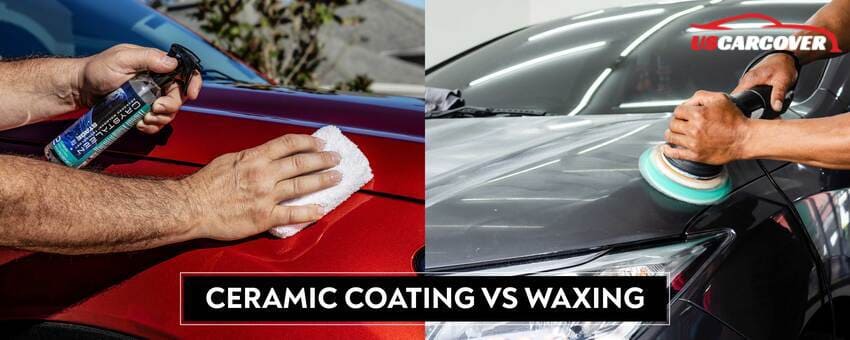
To Protect Ford Mustang paint at different levels, it’s important to understand modern paint protection tiers:
- Carnauba or synthetic wax: Adds shine and light protection; lasts 4–8 weeks.
- Synthetic paint sealants: More durable, offering 3–6 months of UV and chemical resistance.
- Ceramic coatings: Professional-grade protection lasting 1–5 years, with excellent hydrophobic and UV-resistant properties.
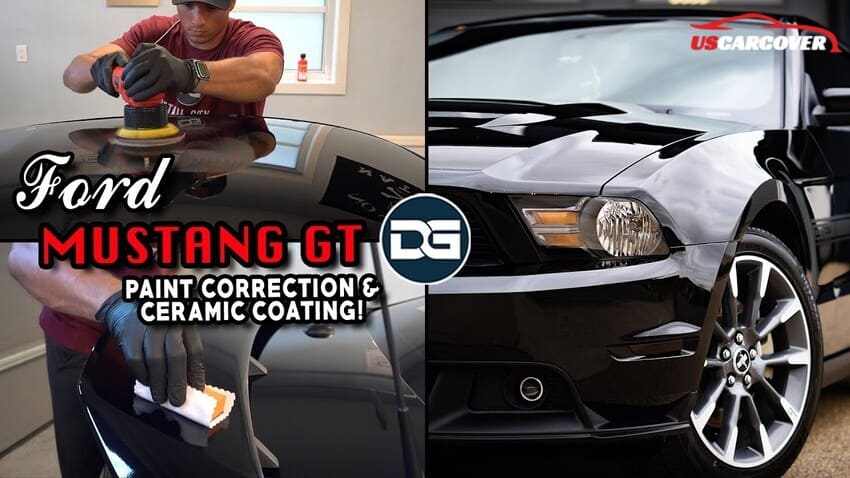
From a professional detailer’s standpoint, ceramic coatings provide the best balance of durability and ease of maintenance, especially for daily-driven Mustangs. They reduce dirt adhesion, make washing easier, and slow oxidation significantly.
DIY vs. professional application
DIY waxes and sealants are affordable and beginner-friendly, but they require frequent reapplication. Professional ceramic coating or PPF-backed coatings cost more upfront, yet deliver longer-lasting protection and more consistent results.
If your goal is to protect your Ford Mustang like new, professional treatment is often the smarter long-term investment.
Paint Protection Film (PPF) for High-Impact Zones
Paint Protection Film (PPF) is one of the most advanced ways to Protect Ford Mustang paint from physical damage. This nearly invisible polyurethane film absorbs impacts from rock chips, road debris, and sand, especially in high-impact areas.
Recommended zones include:
- Front bumper
- Hood leading edge
- Rocker panels
- Side mirrors
For Mustang owners who daily drive or frequently use highways, PPF significantly reduces paint repairs and preserves resale value.
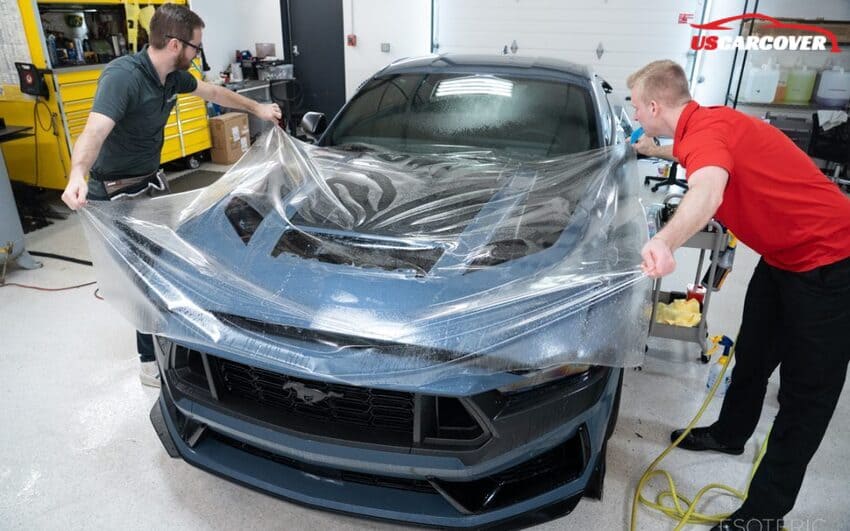
Installation & care
PPF should always be installed by a professional installer to ensure proper alignment and longevity. Maintenance is simple: wash normally, avoid harsh chemicals, and never polish aggressively over film edges.
Related posts: Best Car Covers for Snowy Season
Smart Parking & Shade Habits
Where you park matters more than most owners realize when trying to Protect Ford Mustang exterior surfaces.
- Covered or shaded parking dramatically reduces UV exposure and slows paint fading.
- Avoid parking under trees whenever possible, tree sap, pollen, and bird droppings are acidic and can permanently etch clear coat within hours.
If shade is unavoidable, pairing smart parking habits with a breathable car cover adds a crucial layer of defense against environmental damage.

Interior Protection: UV, Leather & Fabric Care
Protecting the interior is just as important as protecting the exterior when you want to Protect Ford Mustang long-term value.
- Apply UV protectant to dashboards and trim to prevent cracking and fading.
- Use windshield sunshades whenever parked outdoors.
- Condition leather seats every 3–6 months to maintain flexibility and prevent premature wear.
Convertible Mustang care
For convertible models, regularly clean and treat the soft top fabric and rubber seals with manufacturer-approved products. This preserves water resistance, prevents leaks, and extends top lifespan.

Rust Prevention & Underside Care
Rust often starts where owners don’t look. To fully Protect Ford Mustang from corrosion, proper underside care is essential.
- Rinse wheel wells and undercarriage regularly, especially after winter driving or coastal exposure.
- Touch up paint chips immediately to prevent bare metal oxidation.
- Lightly wax chrome and stainless components, as recommended in Ford service and storage guidelines.
When to apply rustproofing
If you drive in snowbelt regions or high-humidity climates, consider professional rustproofing or undercoating. Applied before corrosion begins, it can add years to your Mustang’s structural integrity.

Battery & Fluid Care
To fully Protect Ford Mustang, especially cars that are stored or driven infrequently, proper battery and fluid care is essential. In my professional experience, battery failure is the most common issue after long storage.
For Mustangs parked for weeks or months:
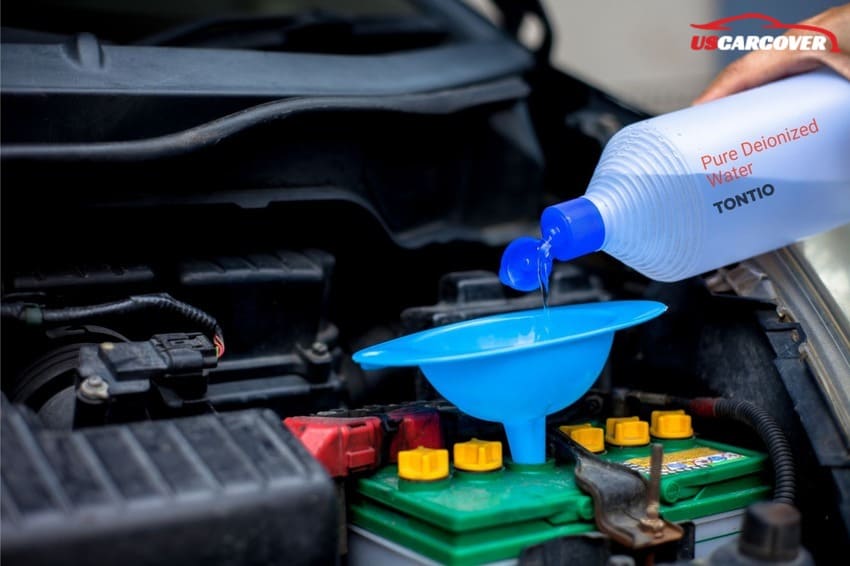
- Use a battery maintainer (trickle charger) to keep voltage stable without overcharging.
- Check and top off essential fluids: engine oil, coolant, brake fluid, and windshield washer fluid.
- For storage longer than 30–60 days, add a fuel stabilizer to prevent gasoline degradation and injector issues.
Practical long-term storage checklist
- Wash and dry the car before storage
- Connect a battery maintainer
- Fill the fuel tank + stabilizer
- Check fluid levels
- Cover the vehicle with a breathable car cover
These steps are widely recommended in enthusiast and car care guides and help ensure your Mustang starts smoothly when it’s time to drive again.
Related posts: 5 Common Materials Used to Make Car Covers
Tires, Alignment & Brake Care
Tires and brakes often suffer silently during storage, yet they play a major role in Protecting Ford Mustang performance and safety.
- Keep tires inflated to factory-recommended pressure to prevent flat spots.
- Rotate tires regularly if the car is driven; if stored long term, consider tire covers to block UV exposure.
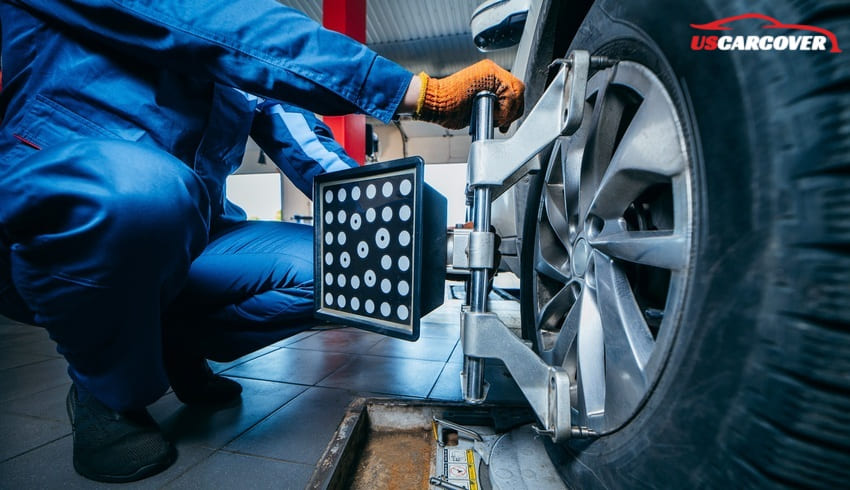
- Periodically check wheel alignment-misalignment causes uneven wear and affects handling.
Brake care during storage
When a Mustang sits too long, brake pads can stick to rotors:
- Move the car slightly every few weeks if possible
- For long-term storage, use jack stands to remove pressure from tires and brakes
These habits preserve braking performance and extend component life.
Regular Inspection & Professional Detailing
Routine inspection is one of the smartest ways to Protect Ford Mustang condition and value. Small issues-if caught early-are easy to fix and inexpensive.
During inspections, look for:
- Paint chips and clear-coat damage
- Failing seals or trim adhesive
- Rubber dry rot around doors, windows, and hoses
From a professional standpoint, I strongly recommend annual professional detailing, which typically includes:
- Clay bar decontamination
- Light paint correction or polishing
- Protective wax, sealant, or ceramic layer
Dealership and service experts agree that periodic professional care significantly extends paint life, interior quality, and overall longevity.

FAQ Mustang Protection
Will a car cover damage my Mustang’s paint?
No. A properly sized, clean, soft-lined, breathable car cover used on a clean, dry Mustang protects paint. Avoid cheap non-breathable covers that trap moisture and cause corrosion.
How often should I wax my Mustang?
Traditional wax every 3–4 months. Synthetic sealants last 4–6 months, while ceramic coatings can last several years.
Is a battery maintainer really necessary?
Yes. Modern Mustangs have electronic systems that slowly drain the battery. A maintainer prevents deep discharge and extends battery life.
Should I use a car cover indoors?
Absolutely. Indoor covers protect against dust, accidental scratches, and UV exposure from garage lighting.
Does professional detailing really make a difference?
Yes. Professional detailing removes bonded contaminants and applies longer-lasting protection than basic DIY methods.