
Nash car cover may sound at first like just a car cover to protect against dust, sun and rain. But if you own a Nash Airflyte, Nash Ambassador, Nash Rambler or Nash Metropolitan in the United States, you quickly realize this is not a “nice to have” accessory. It is part of your strategy to protect a collectible asset. Every Nash still on the market today is a small piece of American automotive history. As the number of cars shrinks over time, the question is no longer “Does it still run?” but “How much collectible value is left and how much original Nash character can be preserved?"
The problem is that most of these Nash cars have already lived for several decades, while the climate and environment in the U.S. are extremely harsh on classics. Intense sunlight, snow, road salt, acid rain, pollen, tree sap and bird droppings all attack bodywork, paint, chrome and interiors if the car is not properly protected. That is why Nash car cover does more than protect the appearance. It directly contributes to “holding value” and preserving the collectibility of the car.
In this article, we will explore in depth:
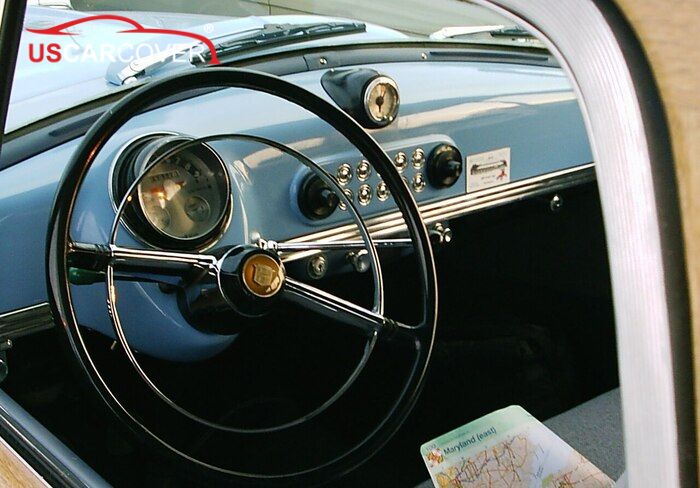
- The heritage of the Nash brand and why preserving the remaining Nash cars is especially meaningful.
- The specific pain points Nash owners face when they do not use Nash car cover.
- How Nash car cover fits into a protection strategy and helps maintain collectible value.
- Where to buy quality Nash car cover that is worthy of the car you own.
Everything is written for the U.S. market, aimed at Nash owners who truly want to protect their collectible asset in a methodical, long term way.
Related Articles: Morris car cover: limit rust, water spots and scratches on classic bodywork
Nash – from brand heritage to collectible meaning today
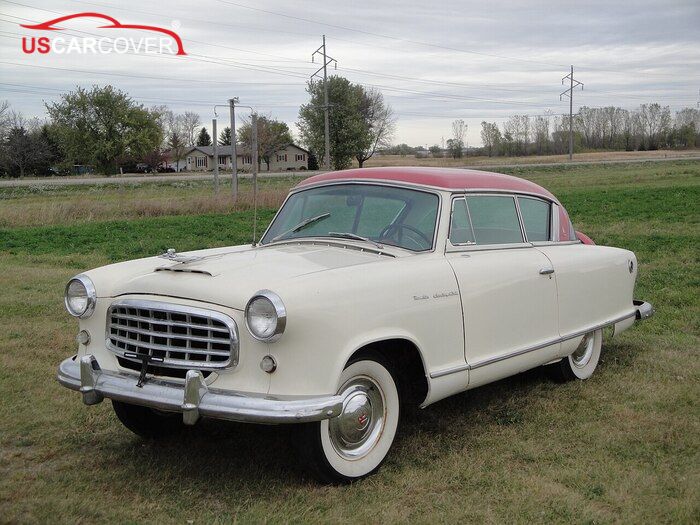
To understand the value of Nash car cover, we need to return to one basic question: what exactly does the Nash in your garage represent? Is it just an old car, or is it a piece of history, an investment and a fragment of your emotions?
Nash in American automotive history
Nash Motors was founded in 1916 by Charles W. Nash and quickly became one of the boldest innovators in the U.S. auto industry in the first half of the 20th century. Many names that enthusiasts still talk about today are tied to Nash: Nash 600, one of the first mass produced unibody cars in America, lighter and more fuel efficient than traditional body on frame designs. The Airflyte line with aerodynamic styling, rounded “bathtub” bodies that looked completely different from the rest of the market at the time. Nash Rambler, one of the key steps that opened the compact segment in the U.S. Nash Metropolitan, a small subcompact with a strong individual character that today has become an icon among classic cars.
Later, Nash merged with Hudson to form American Motors Corporation (AMC), but Nash cars are still seen as symbols of the spirit of doing things differently and experimenting with new technical solutions.
Why the remaining Nash cars on the market are more and more valuable
A special point about Nash is that most examples have already moved out of the “used car” phase and into the collector phase. Many Nash model years did not have large production volumes, and over time more and more cars have been lost to accidents, severe rust, or have been parted out as donors. Certain rare variants, configurations, unusual colors or highly original examples may only exist in a handful of surviving cars. Even the more common Nash models are becoming curiosities on the road, causing people to stop and stare whenever they appear.
From a market perspective, the total number of Nash cars left is a pie that will never grow, only shrink. That means: Every Nash you keep in good condition is one unit of collectible value preserved. Every Nash that is left outside without Nash car cover, slowly rusting and sunburning, is a piece of supply being lost.
In that context, protecting the body, interior, chrome and glass, not just the mechanicals, becomes the key factor that determines which path your Nash will follow: becoming a more valuable collectible over time, or sliding down into an expensive restoration project.
Related Articles: Morgan car cover: protecting wood, leather and chrome over the years
The mindset of Nash enthusiasts: deep passion, high investment and easy complacency
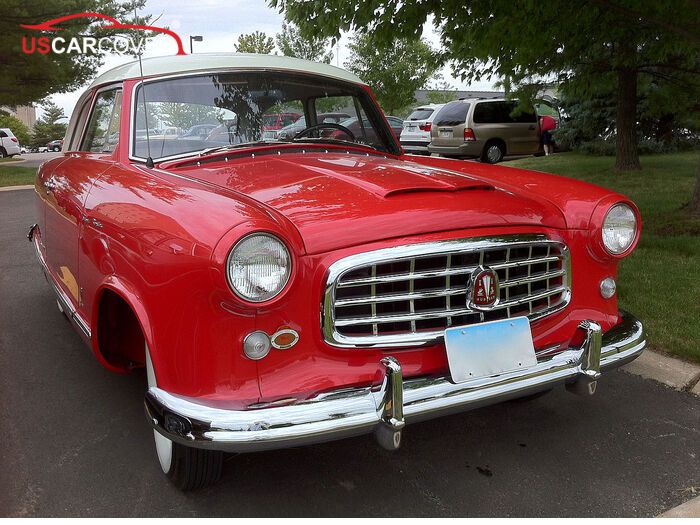
Most Nash owners in the U.S. do not treat their cars as daily transportation. They are usually: People who love history, love classic design and enjoy being different. People who dreamed about Nash when they were young and now have the means to hunt one down. People who have invested heavily in restoring engines, drivetrains, suspension, electrics and interior.
But precisely because they see Nash as a “toy car” rather than a “work car,” many of them tend to be complacent about body protection: The car is often parked on the driveway because the garage is full, or the garage only has a roof and is open to wind. The habit of “I will drive it again tomorrow” makes using Nash car cover easy to postpone. Investing in a car cover is sometimes pushed below more “flashy” items like wheels, whitewall tires and trim accessories.
Only when rust appears at wheel arch edges, water spots show up on the hood and chrome turns dull do many people realize and think: I wish I had treated Nash car cover as mandatory from day one.
Related Articles: Mobility Ventures car cover: keep body panels, low floor and sliding doors like new
Pain points of Nash owners when they do not use Nash car cover
"Preserving collectible value” sounds big, but the pain that Nash owners feel without Nash car cover is very concrete. You can see it with your eyes and feel it every time you open the garage door.
Rusty, bubbling bodywork – being worried everywhere you touch
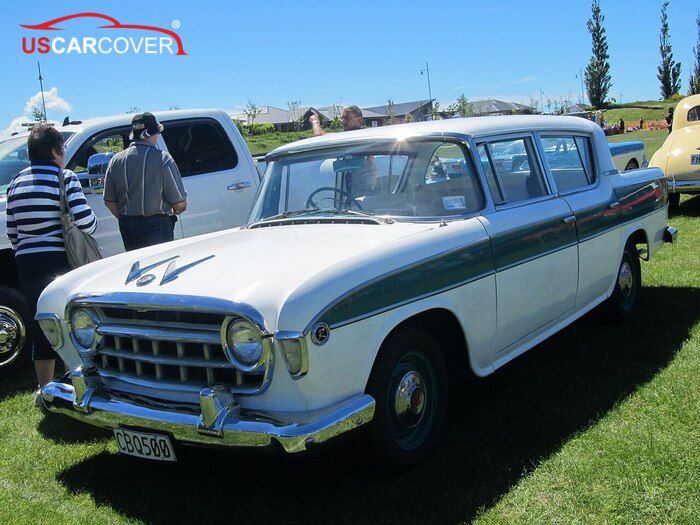
On a modern car, a small rust spot on a wheel arch might be just a cosmetic annoyance. On a Nash that is 60 or 70 years old, rust almost always signals a much longer story underneath. Without Nash car cover, the Nash body has to endure: Rain and snow melt containing salt thrown onto the underbody, wheel arches and panel edges. Dirty water running down panels and into seams, cavities and door bottoms, then drying and leaving behind salt and minerals. Repeated cycles of wet, dry, hot and cold acting on already aged steel.
At first you may see only: A few small bubbles the size of a thumb at the lip of a wheel arch or below a door. A light rust line along the lower edge of a door when opened.
But once you decide to sand or strip paint around those spots, very often: The rust has spread much farther than what you could see on the surface. The steel is thin and brittle and sounds hollow when tapped, which means it has to be cut out.
Every such rust patch is a “cut” into the car’s collectible value. And each time you repair rust, you trade away another slice of originality. Nash car cover cannot turn old steel into new steel, but it can significantly reduce the number of times your car’s body soaks in moisture and salt, slowing rust down and making it less aggressive.
Related Articles: Mitsubishi car cover: the protective jacket for Mitsubishi CUVs, SUVs and sedans
Faded paint, water spots, color blotches – your Nash slowly loses depth
The paint on a Nash, whether original or resprayed, is the car’s “face” in the eyes of enthusiasts. Without Nash car cover, every day parked outside is a day the paint has to fight: Strong UV rays that break color bonds and make the paint fade, dry out and become brittle. Acid rain, bird droppings and tree sap falling on a hot surface and creating deep, patchy stains. Hard water from hoses and sprinklers that leaves rings if not dried promptly.
You will notice that: Color on the hood, roof and trunk lid gradually fades compared with the side panels. The surface loses mirror like depth and becomes dull and cloudy with countless fine swirls under angled light. Some water rings and blotches remain even after multiple rounds of polishing, never fully disappearing.
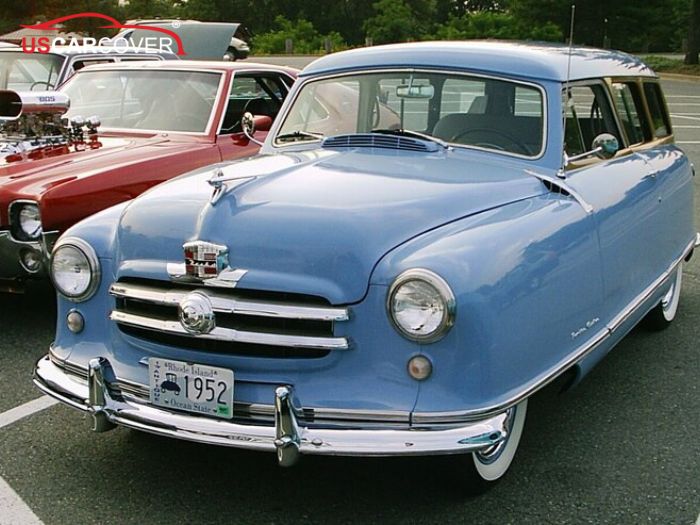
For a collectible Nash, a deep, even, glossy finish is a huge plus at car shows and in the eyes of buyers. Every time you are forced to repaint a large area because the old paint is sunburned, stained and scratched beyond repair, you lose money and a piece of the car’s soul. Nash car cover helps cut down the hours that the paint spends in direct sunlight and the number of times it is hit with dirty water, delaying the moment when a repaint becomes unavoidable purely for cosmetic reasons.
Dull chrome, hazy glass and tired trim – the Nash no longer “lights up"
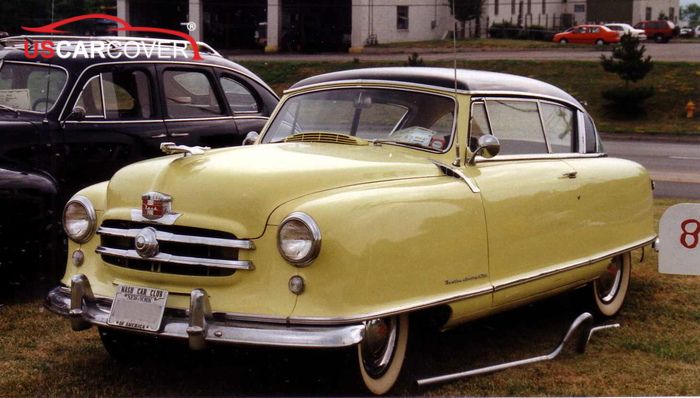
A beautiful Nash is not just about shape. It is also about bright chrome, clear glass and sharp trim. On models like Nash Airflyte or Nash Metropolitan, these details are what make the car “catch the light” in a crowd. Without Nash car cover, chrome and glass have to: Confront rain, snow melt, road salt, pollen and fine dust directly. Take bird droppings, tree sap and sometimes chemicals falling from roofs or overhead trees. Endure hurried wiping sessions while there are still tiny dust grains on the surface.
The result: Chrome gradually loses its mirror finish and becomes dull and gray. Pitting, those tiny pinholes in the chrome, appears on bumpers, grilles and wheel arch trim. Glass develops water spots, streaks and light scuffing, losing its crisp clarity under angled light.
Compared with paint, restoring chrome and glass correctly on a Nash can be even harder. Original parts are less common, and high quality replating is not cheap. Nash car cover is not an absolute barrier, but it substantially reduces the time these surfaces are exposed bare to the environment, which stretches out their cosmetic lifespan.
Related Articles: Mini car cover: compact like your Mini, but offers complete protection
Impact on collectible value and the owner’s feelings
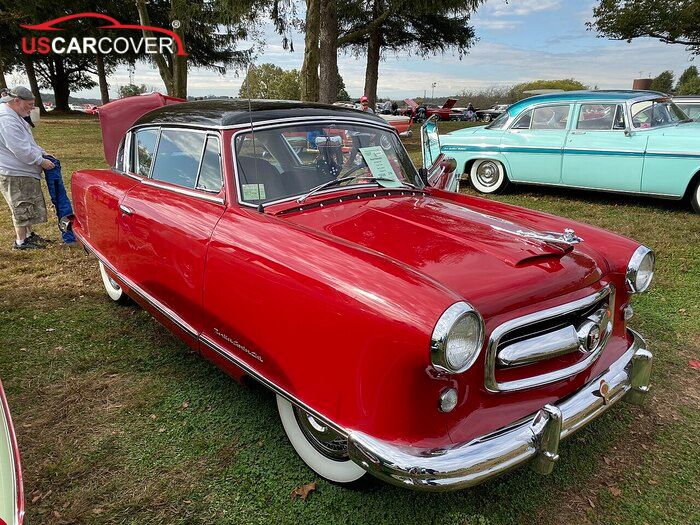
The biggest pain is often not just the restoration cost, but the feeling that: You know you have invested a lot in your Nash. You have full documentation and a good history, maybe even old photos and invoices. Yet every time you open the garage, you see a new stain, a new rust spot, a new scratch.
When the time comes to appraise or sell the car: Buyers look at the body first, then the paperwork. Every rust spot, stain and dull chrome area becomes a reason to negotiate. You are forced to accept a lower price because the car does not look as good in person as it does on paper.
All this can happen simply because, for a long period, you did not treat Nash car cover as a mandatory part of ownership. That is the kind of regret that anyone who has been through it does not want to repeat with the next car.
Nash car cover as a strategy to protect collectible value
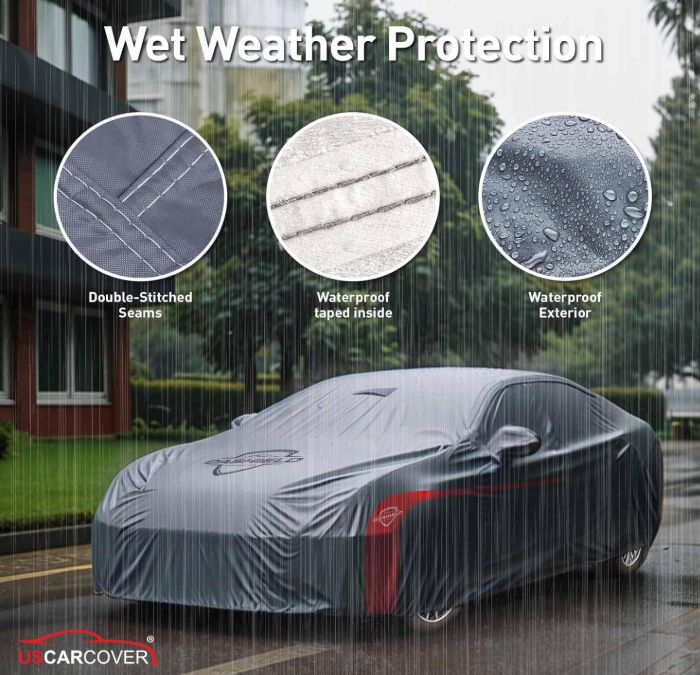
If you see the Nash in your garage as a collectible asset, then you can see Nash car cover as part of your overall protection strategy. It is simple and easy to implement, but it has long lasting effects.
Nash car cover in the bigger picture of protecting a Nash
To maintain collectible value, Nash owners often do many things: Take the car for regular maintenance, oil changes and checks on brakes and fuel systems. Try to preserve the original interior, reupholstering leather and fabric when necessary but keeping the period correct style. Choose a garage or parking spot that is relatively dry and covered.
However, if Nash car cover is missing, that picture still has gaps: A shared garage still has dust, incidental contact, pets and moving objects. Driveways and open car parks still expose the car to sun, rain and snow. Environmental “debris” like pollen, tree sap and bird droppings can still attack the car at any time.
Nash car cover is the simple but effective layer that fills this gap. It does not replace other measures, but works with them to create a more complete defensive system.
Nash car cover and bodywork: reducing direct exposure to the environment
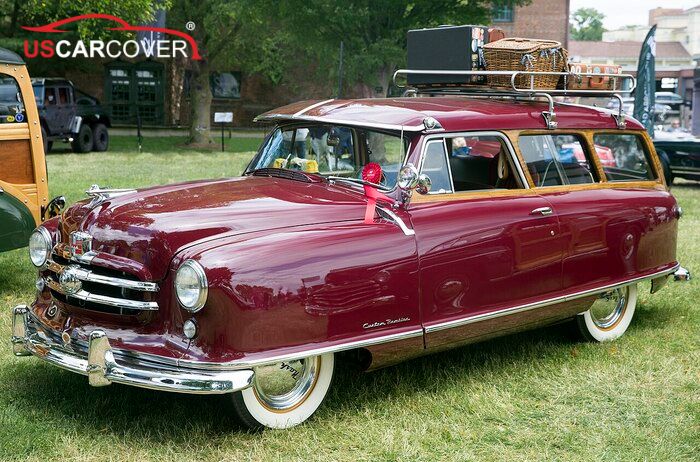
At body level, Nash car cover: Creates a first barrier against rain, dew and snow, limiting how much water lands directly on the paint and flows into seams and gaps. Stops most dust, pollen, tree sap and bird droppings before they reach the paint. Reduces the number of times the body has to face direct UV exposure, especially on horizontal surfaces.
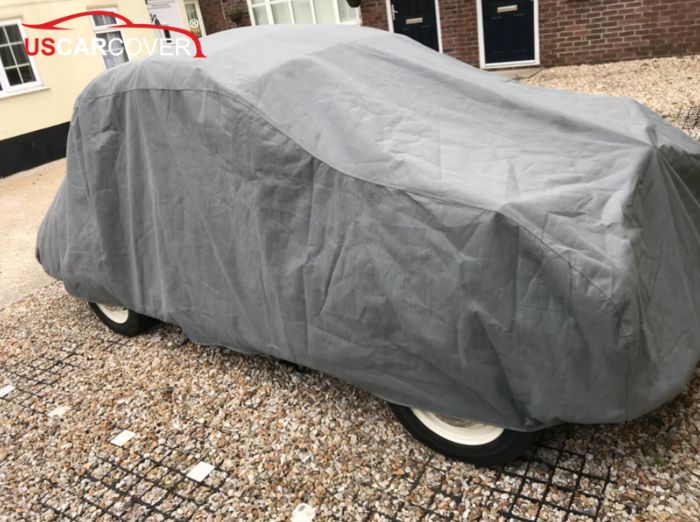
If you choose a Nash car cover made from breathable material, moisture can still escape, avoiding the “condensation bubble” effect under the cover. In that case the car cover is not a plastic bag that traps dampness, but a smart membrane that reduces contact with bad conditions.
Related Articles: MG car cover: sun, rain and city dust protection to keep paint and interior looking new
Where should you buy a quality Nash car cover?

Once you have decided that Nash car cover is an important part of preserving your car’s collectible value, the natural next question is: where should you buy it and which type is right for conditions in the U.S.?
The risks of choosing the wrong Nash car cover: baggy, non breathable, abrasive, short lived
Not all car covers are created equal, and not every cheap tarp deserves to be called Nash car cover for a collectible car: A cover that is too big and baggy can be caught by wind, and the flapping fabric across the paint can create fine scratches over time. A non breathable, sealed material can trap moisture under the cover and accidentally turn the space under it into a damp greenhouse, which is exactly what a classic car does not want. A rough, abrasive inner lining can, over many cycles of putting on and taking off, become a cause of scratches on old, soft paint.
Therefore, once you decide to invest in a car cover, it is worth choosing the correct type and supplier instead of making do with a solution that might harm the car more than protect it.
Related Articles: Mercury car cover: preserving the value of a discontinued brand
Why choose USCarCover when looking for Nash car cover
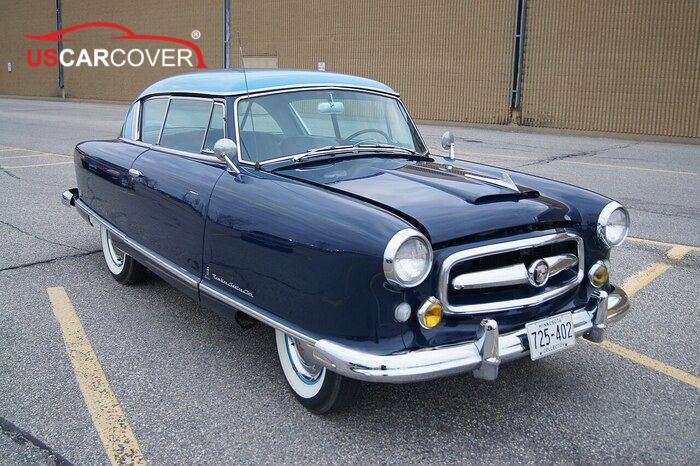
For owners in the U.S., a reasonable choice is to work with suppliers that specialize in car covers for the domestic market and understand local climate and habits. USCarCover is one such brand, focusing on: Providing covers for many types of vehicles, from sedans, SUVs and trucks to classics, sports cars and collector vehicles. Designing products to cope with sun, rain, snow, dust and road salt, all of which are typical of U.S. conditions. Combining water resistance and UV protection with breathability and a soft inner lining that is kind to paint.
When you choose Nash car cover from USCarCover, you have the opportunity to: Find a cover with a form that fits Nash bodies, which come in various shapes from sedans and coupes to hardtops and wagons. Receive advice based on your parking environment and local climate, such as states with heavy snow and road salt, sunbelt regions or coastal areas. Feel more confident about material quality, stitching and the strap and hem system.
The Nash cars still on the U.S. market today are not just old means of transport. They are short films about automotive history, about an era of driving culture and about family and personal stories. Every car that has survived decades of weather, repairs and owners to reach your garage deserves to be treated as a true collectible. If you truly cherish your Nash as an asset, a keepsake and a passion, treat Nash car cover as mandatory, not optional. And when you decide to equip one, look to specialists who understand classic cars and U.S. climate such as USCarCover, so that the Nash car cover you use in the coming years is genuinely worthy of the Nash that rests in your garage every night
