
For classic car enthusiasts, a Reo is not just a vehicle. It is a piece of history, a fragment of the era when American trucks and touring cars were still being defined. That is why many owners accept that their Reo will sit quietly in storage for long periods, only being started occasionally and driven around the block to keep things moving. That is when the difficult question appears: if a Reo is going to sit in storage that long, how do you protect its bodywork, interior, chrome, and glass with real peace of mind?
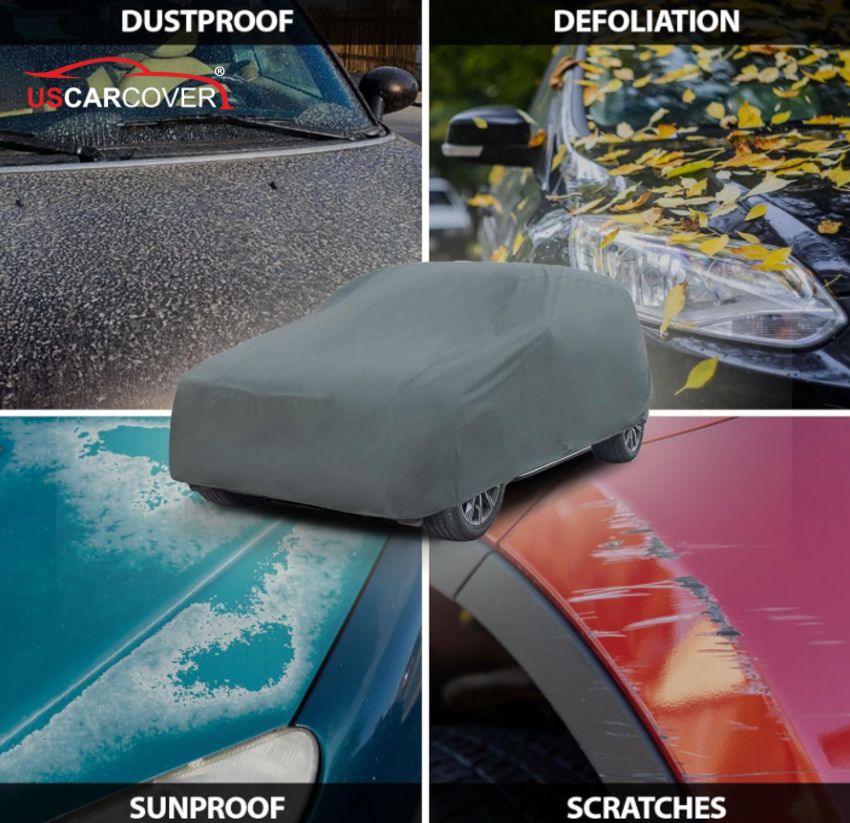
Many owners initially think that putting a Reo inside a warehouse or closed garage is enough. But after a few damp seasons, a few layers of heavy dust, and a few times when equipment has brushed past the car, they realize that walls and doors alone cannot do the whole job. A dedicated Reo car cover designed for long term storage is the final “coat” that keeps a collector Reo truly safe from dust, humidity, insects, small impacts, and the slow but certain damage of time.
Related Articles: Renault car cover: keeping the cabin cool, blocking strong UV, and reducing scratches
Reo collector cars and the challenge of long term storage
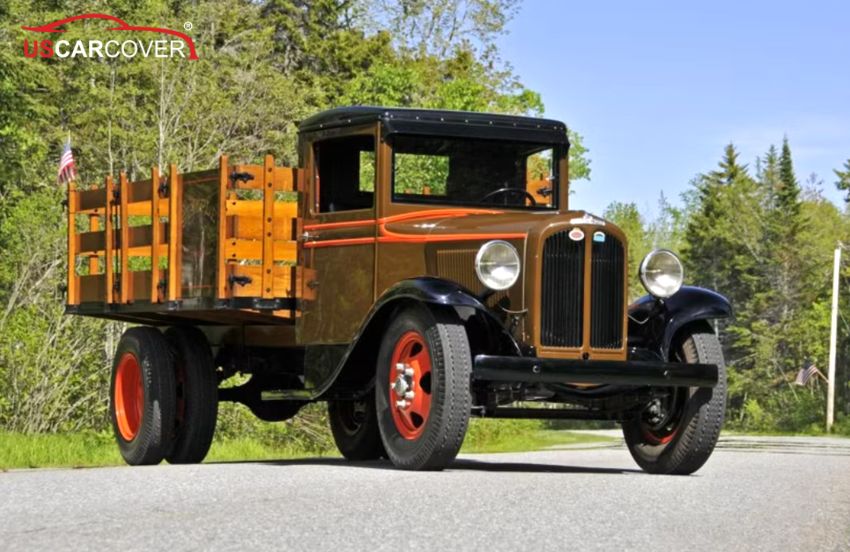
Today, most Reo vehicles belong to the world of classic cars, military vehicles, vintage trucks and transports, and dedicated collector pieces. Many Reo units are no longer driven daily. They sit in private collections, small home museums, or classic car garages. In other words, the value of a Reo is no longer in day to day use, but in originality, rarity, and the history it carries.
Because they are not driven regularly, Reo cars often have to be stored long term, for months or even years. Owners usually think, “The car is not in the sun, not in the rain, so it is safe enough.” But the reality inside a warehouse or garage is that there are stubborn enemies still at work: fine dust floating in the air, moisture, mold, rodents and insects, shelves and equipment placed near the car, beams of sunlight leaking through small openings, and daily night to day temperature swings. Together, those factors slowly degrade a collector Reo, even when it is not moving.
In this situation, Reo car cover is not there just “to look neat.” It is designed specifically to solve the long term storage problem: how to keep a collector Reo as close as possible to its condition right after restoration, purchase, or completion of a careful rebuild project.
Related Articles: Ram car cover: protecting Ram pickup bodywork from harsh sun and sudden rain
The pain of storing a Reo for a long time without Reo car cover
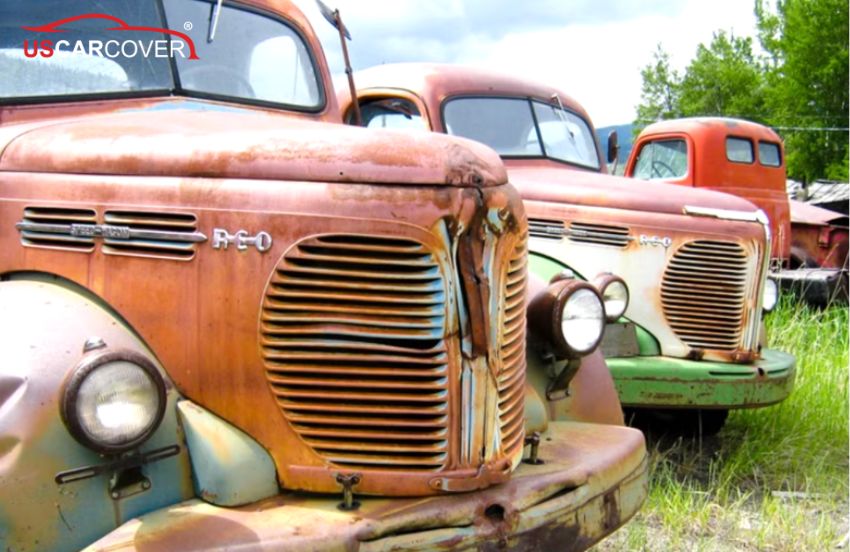
Many owners only truly understand the value of Reo car cover after a humid winter or after opening the storage door and seeing their car buried in dust. That is when they realize that leaving a Reo parked does not automatically mean it is being protected.
Dust, moisture, and time quietly attacking the car
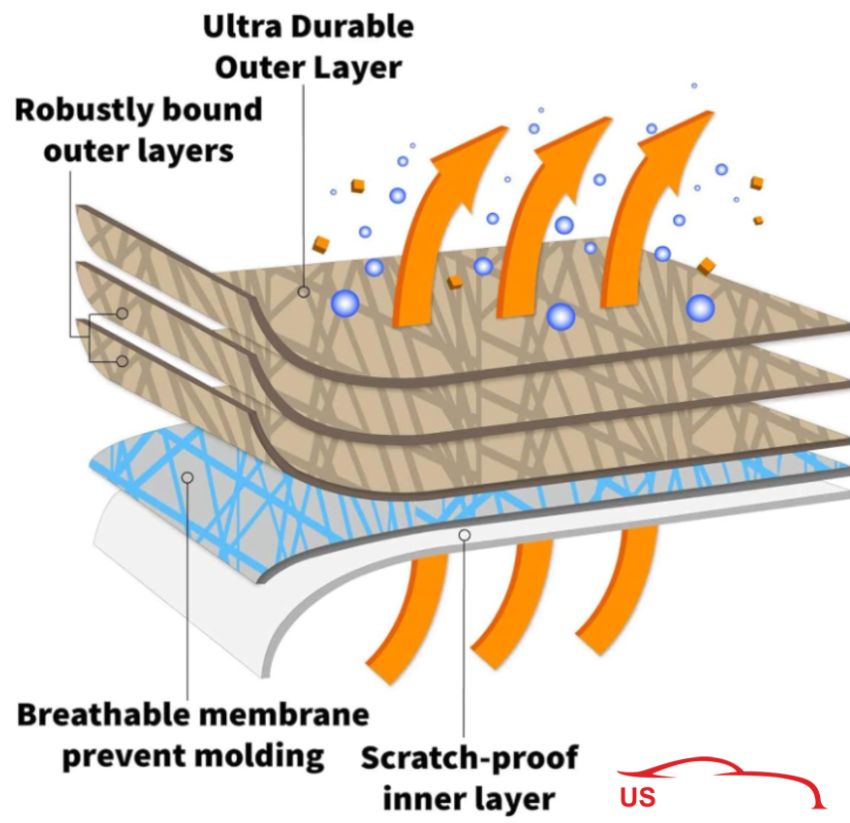
Almost no storage space is completely dust free. All it takes is a small gap around the door, a vent, or the simple comings and goings of people for fine dust from outside to drift in. A Reo sitting still in storage will slowly collect dust on its roof, hood, glass, chrome, and interior month after month.
At first glance, that layer of dust may seem harmless. But over time, dust mixes with moisture in the air and turns into a sticky grime. Every time you wipe it off in a hurry, those dry particles act like ultra fine sandpaper on the paint, leaving tiny scratches. After enough rounds of this, the Reo paint surface loses its shine and shows swirl marks under lights or sunlight.
If the storage space is humid, the Reo interior materials such as cloth, leather, fabric headliner, and wood trim are very likely to develop mold and musty odors. A classic Reo that smells damp and shows mold on the seats, roof liner, and door panels clearly loses collector value, and restoring it to proper condition will be time consuming and expensive.
When you use a Reo car cover designed for storage, the fabric becomes the first barrier that dust hits before it can reach the car. Dust settles on the cover instead of on the paint and interior. When needed, you simply remove Reo car cover and shake it off or wash it according to instructions, instead of facing a sticky dust layer directly on the car surfaces.
Related Articles: Qvale car cover: protecting Qvale paint from falling leaves, bird droppings, and tree sap
Small impacts and scratches from equipment and people
A storage room for cars is rarely occupied by a Reo alone. There are usually shelves, tools, boxes, machines, and often other vehicles around it. Every time someone walks in or out, carries items, or moves equipment, a single light bump or a box pulled too close to the car is enough to leave a mark.
On a daily driver, small scratches might be tolerable. On a collector Reo, every new scratch is a wound that makes you cringe. Repairs are not simple either, because you have to preserve the correct color tone, finish, and gloss level to avoid ruining originality.
Here, Reo car cover acts like a soft cushion between the car body and the outside world. When someone rests a hand on the roof or side, or a box brushes lightly against the car, the force first meets the fabric of Reo car cover, reducing the chance of leaving a visible mark on the paint. The collector Reo is exposed to far less risk from everyday human mistakes.
Light leaks, temperature swings, and cosmetic deterioration

Even when a Reo is stored indoors, not in direct open air, light can still find its way in through small windows and gaps. Those beams of sunlight move throughout the day and may fall on part of the roof, hood, or rear end. After months, that area of paint will “age” faster and fade more than the shaded parts.
Temperature swings between day and night in the storage space are also an issue. During the day the room warms up, and at night it cools down. The body and interior of the Reo expand and contract slightly with each cycle. Without Reo car cover, the surface is directly exposed to those changes, combined with dust, moisture, and leaking UV rays, which speeds up aging.
With Reo car cover, the fabric creates a more stable micro environment for the paint and exterior parts. Light is diffused, and temperature changes hit the car surface less directly. As a result, the collector Reo is more likely to keep an even color and shine across its panels over time.
Related Articles: Porsche car cover: compact when folded, but effectively covers the entire car
How Reo car cover protects a Reo collector car in storage
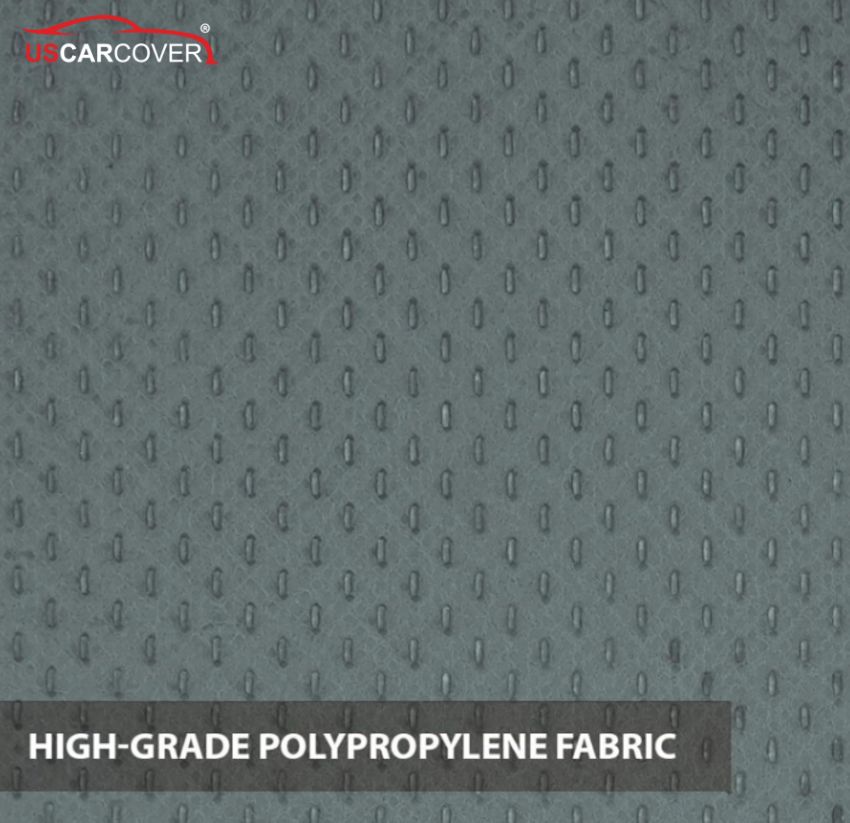
To fully appreciate Reo car cover, you need to see it as a specialized preservation solution, not just a simple dust sheet.
A dust shield that limits grime and surface moisture
Reo car cover for long term storage is usually made from soft, smooth fabric that is still thick enough to block dust. When you cover a Reo with it: Dust in the air lands on the outer surface of Reo car cover instead of directly on paint, glass, and chrome. When you open the storage space after a long time, the cover may look dusty, but the car underneath is still clean and only needs light touch up on exposed details.
Some Reo car cover products are specifically designed to breathe, allowing moisture from inside to escape instead of being trapped. This is crucial for long term storage, because you do not want to turn your Reo into a “humidity box” by using a fully air tight cover.
A cushion that reduces scratches and accidental impacts
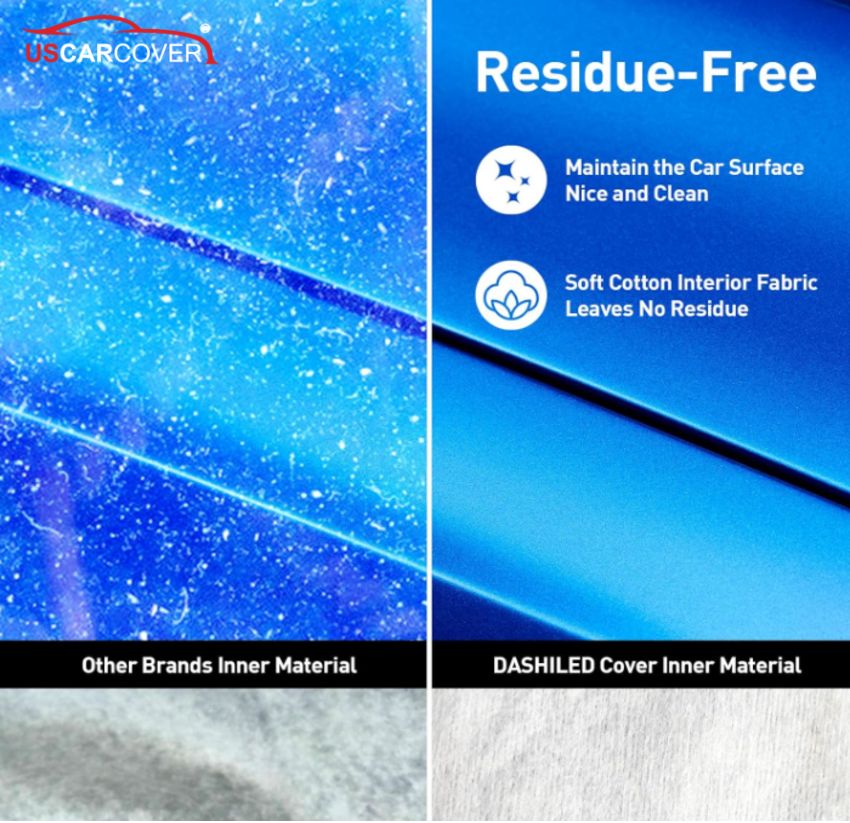
The inner lining of Reo car cover acts as padding for the Reo paint. In long term storage, people will still go in and out, and things will still move around. Each small contact with the car cover surface is partially absorbed by this fabric layer. Without Reo car cover, those same bumps would land directly on the paint, leaving scratches, dents, or damage to the clear coat. This is especially problematic when dealing with a Reo that has undergone careful restoration, has original paint in good condition, or has a fresh, accurate repaint. You simply do not want the storage environment to undo all that work just because there was no Reo car cover in place.
Related Articles: Morris car cover: limit rust, water spots and scratches on classic bodywork
Protecting the interior, chrome, and classic details
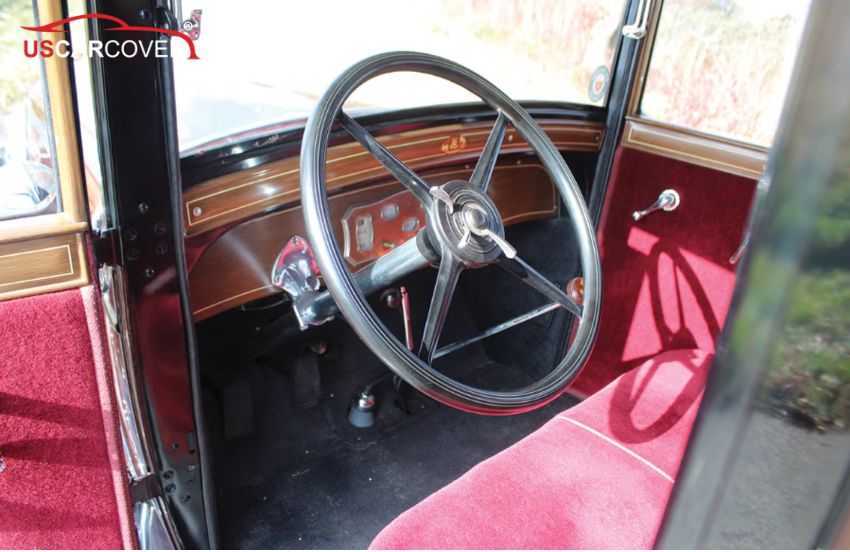
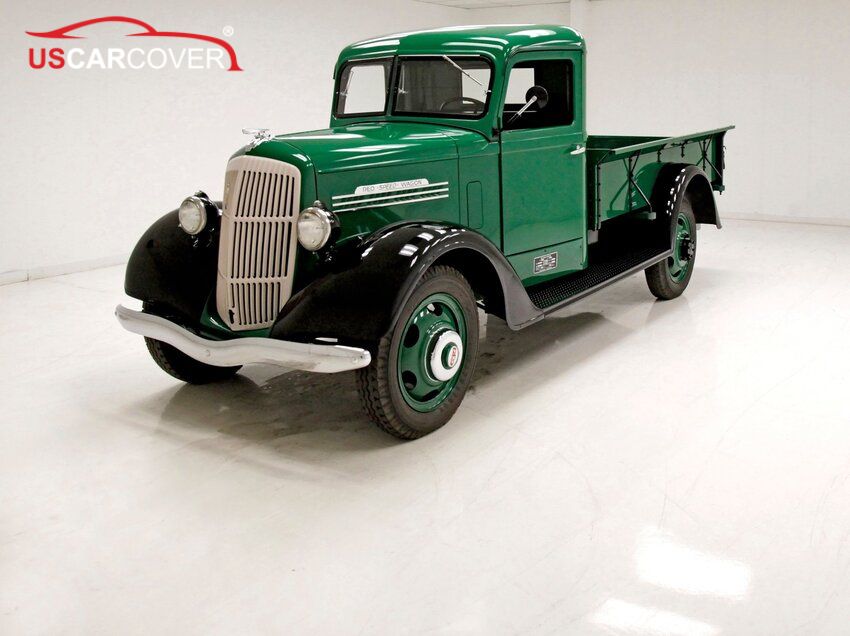
Collector Reo vehicles often feature many high value vintage details: classic gauge clusters, period correct steering wheels, old style leather or cloth seats, vintage headliners, and signature chrome trim and emblems. If these parts are exposed to dust, moisture, insect droppings, or rodent activity for long periods, they can deteriorate quickly.
With Reo car cover in place, the cabin and most chrome parts are shielded from dust, insects, and cobwebs. You will not open the door to find spider webs across the dashboard, or spend hours polishing chrome that has gone dull from moist, dirty air.
Over the long term, Reo car cover greatly reduces how often you need to “deep clean” the car itself, preserving the spirit of a collector vehicle. Ideally, every time you pull the cover off, your Reo should look almost the same as it did the day you stored it.
Related Articles: Morgan car cover: protecting wood, leather and chrome over the years
Where to buy a quality Reo car cover
After you are convinced that you need Reo car cover for long term storage of your Reo collector car, the next question is where to place your trust so you get a cover that matches the car’s value.
In the U.S. market, you can consider specialized suppliers that focus on car covers for classic and collector vehicles. Among them, US Car Cover is a notable option if you want Reo car cover that is properly designed for long term storage: Their Reo car cover products are typically offered in sizes that fit classic body styles, helping you find a good match for your specific Reo. Materials are chosen with long term indoor conditions in mind, including the seasonal temperature and humidity changes common across the United States. The inner lining is paint friendly, suitable for collector cars where preserving original or high quality restoration paint is critical.
Choosing Reo car cover from a provider like US Car Cover lets you rest assured that the cover is not the weak link in your preservation system but a key piece that completes your overall protection strategy for the Reo.
Related Articles: Mitsubishi car cover: the protective jacket for Mitsubishi CUVs, SUVs and sedans
My Conclusion
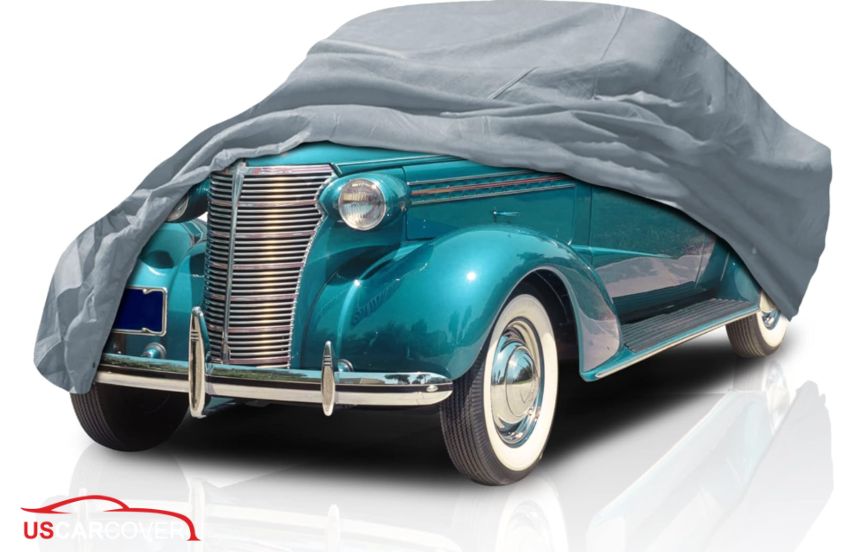
A collector Reo is not simply a car. It is a piece of mechanical history and a memory of a classic era of American vehicles. When you decide to let your Reo “rest” in storage for an extended period, you are also deciding how you will treat that part of history.
Reo car cover is the final but extremely important layer between your Reo and dust, moisture, impacts, UV, and time. A properly designed cover helps the bodywork, interior, chrome, and every visual element of the car remain as intact as possible, reduces future restoration costs, and preserves collector value.
If you have already invested heavily in finding, buying, restoring, and cherishing your Reo, then investing in a quality Reo car cover is the logical next step. A thin layer of fabric, when properly designed and used, can protect the piece of Reo history you are keeping, so that years from now, when you pull the cover off, you still feel as proud as you did on the first day.
