
Every fall, a lot of people make the same call: the convertible, the weekend truck or the old Mustang is done for the year. It's going to sit until April. That decision is easy. What you do in the hour before you walk away from the car is what decides whether spring starts with a quick wash or with a dead battery, a flat-spotted tire and a nest in the air filter.
This checklist walks through that hour, step by step. Most of it costs almost nothing. A couple of steps need a few dollars of supplies. None of it needs a mechanic. (If your car is still your daily driver through the snow, this winter car care guide is the better fit.)
First, decide where the car will spend the winter
Where the car sits changes almost every other choice on this list, so start here.
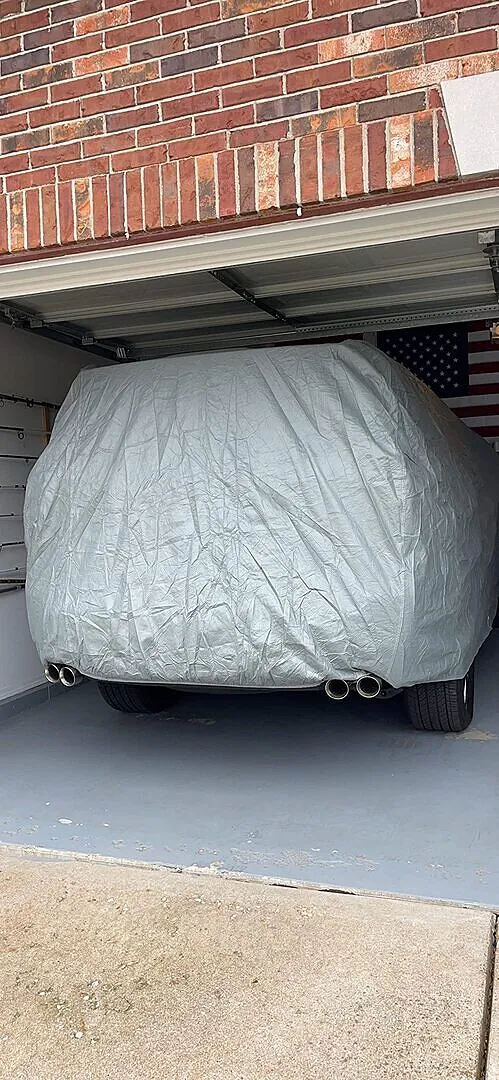
A heated or attached garage
This is the easy case. Temperature swings are small, snow never touches the paint, and you can plug in a battery maintainer. The real enemies indoors are dust, the occasional bump from a bike handlebar or a recycling bin, and moisture if the garage gets damp. A soft, breathable indoor cover handles all three.
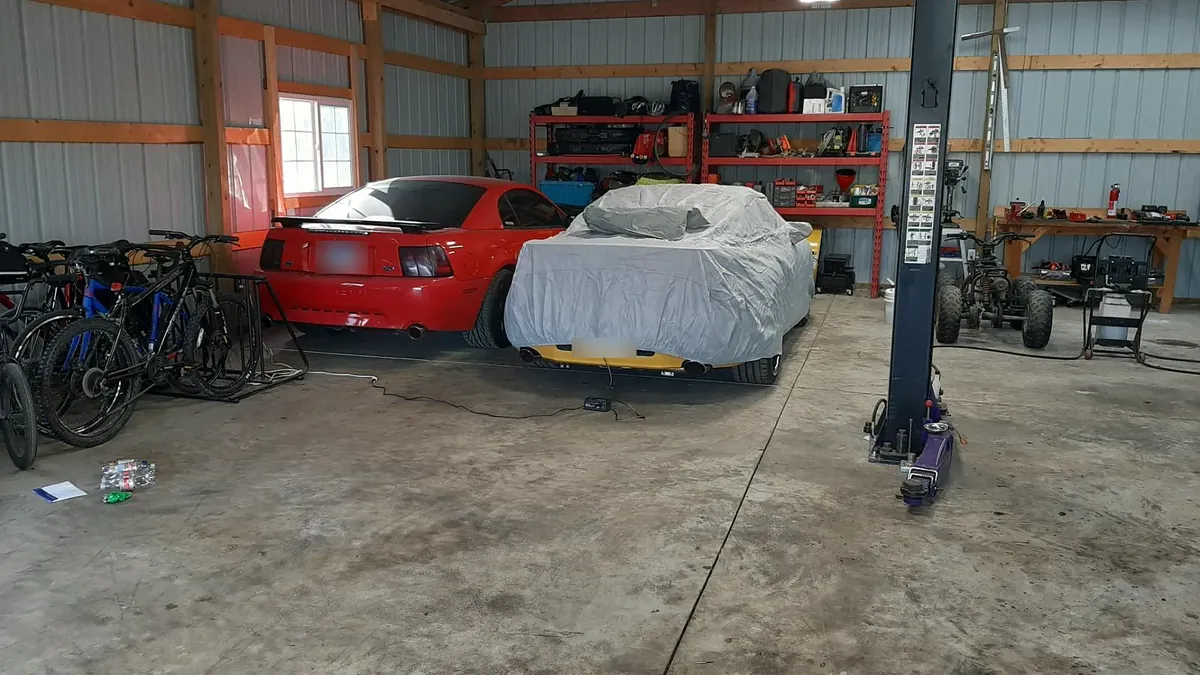
A cold, detached garage or barn
Cold garages are where condensation shows up. On a mild day after a freeze, the air warms faster than the steel of the car, and moisture settles on the body and inside the cabin. Mice also like barns far more than they like attached garages. You'll want a cover that breathes, plus the pest steps further down.
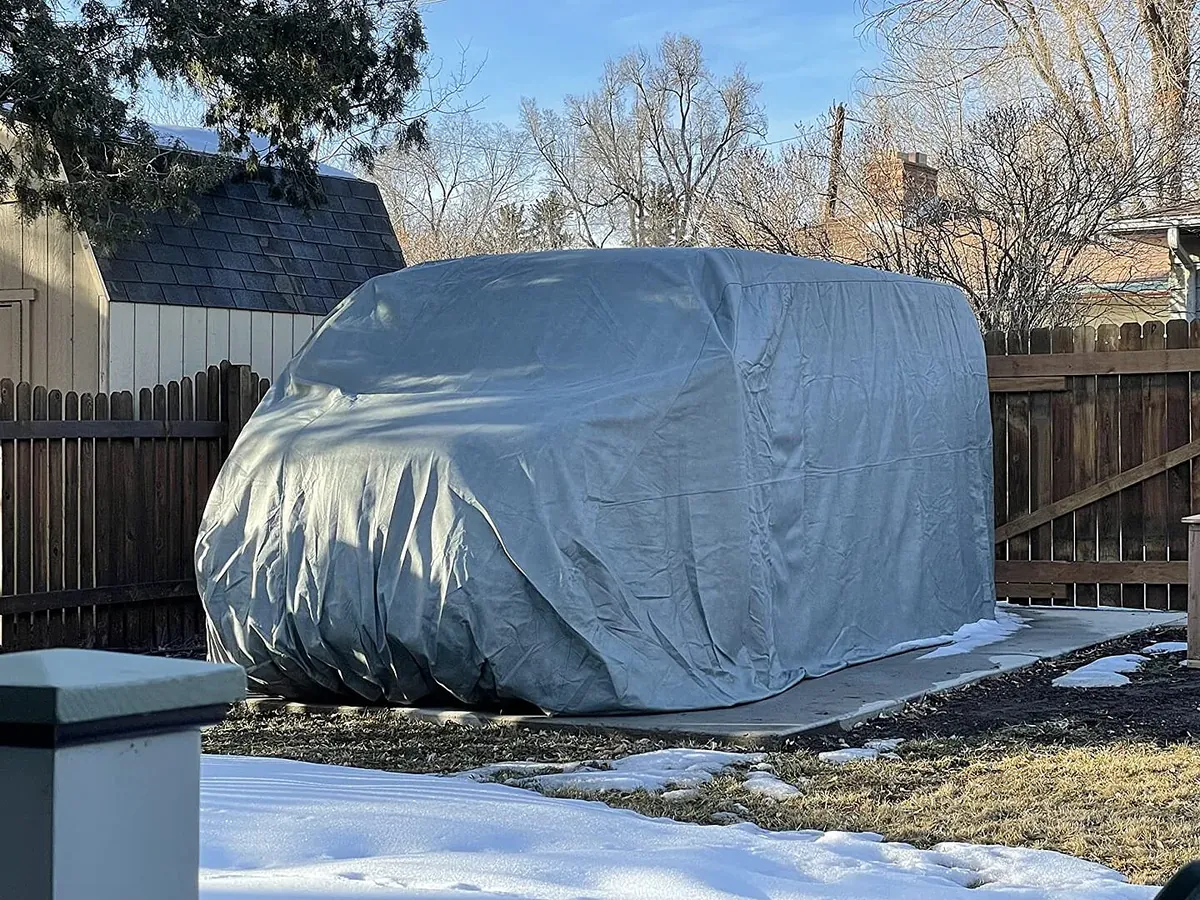
A driveway or carport
Leaving a car outside all winter is not ideal, but plenty of people have no other option, and it can be done well. Here the cover has a much harder job. It has to sit through freezing rain, wet snow that slides off the roof in sheets, and wind that tries to get under the hem and turn the whole thing into a sail. An indoor dust cover won't survive this. More on picking the right one below.
A storage facility
Indoor storage units behave like a cold garage. Outdoor storage lots behave like a driveway, except you won't be there to brush off snow after a storm, so the cover needs to stay put on its own for weeks at a time.
The winter storage checklist
1. Wash it, and let it dry completely
Road salt, brake dust and bird droppings don't sit quietly for four months. They keep working on the clear coat and on the underbody. Wash the car, rinse the wheel wells and underside if you've been driving on salted roads, then let everything dry. Covering a wet car and walking away is how people end up with water spots and a musty interior in March.
If you have time, a coat of wax or sealant gives the paint one more layer between it and whatever ends up on top of it.
2. Clean out the cabin
Take out anything a mouse could eat: the granola bar wrapper under the seat, the dog treats in the door pocket, the fast-food bag. Vacuum the carpets. Crumbs are an invitation. Empty water bottles and cups too, since anything liquid can freeze and crack.
A moisture absorber tub or two on the floor helps a lot in cold garages, where the inside of the car can get damp on its own.
3. Change the oil before it sits, not after
Used oil carries acids and contaminants from combustion. Letting it sit against engine parts for months isn't great. If an oil change is anywhere close to due, do it now so the engine rests on clean oil.
4. Fill the tank and add fuel stabilizer
A nearly full tank leaves less room for air, which means less room for moisture to condense on the inside of the tank. Add a fuel stabilizer before your last fill-up, then drive for a few minutes so treated fuel actually reaches the lines and injectors. Today's ethanol-blended gas breaks down faster than people expect, and a stabilizer is cheap insurance against a rough start in spring.
5. Look after the battery
A battery left connected in the cold will slowly drain, and a fully drained battery may not come back. You have two good options:
- Battery maintainer (trickle charger). If there's an outlet nearby, this is the best choice. It keeps the battery topped up without overcharging it.
- Disconnect the negative terminal. If there's no power, this stops most of the slow drain. Some newer cars lose radio presets or need a short relearn drive afterward, so check your owner's manual first.
6. Protect the tires from flat spots
When a car sits in one spot for months, the part of the tire touching the ground can take a set. Most flat spots go away after a few miles of driving, but some don't. Inflate the tires to the pressure on the door jamb sticker. Some owners add a few psi to allow for cold-weather pressure loss, but never go past the maximum printed on the sidewall. If the car will sit longer than a few months, rolling it a couple of feet now and then, or using tire cradles, helps even more.
7. Skip the parking brake
Brake pads left clamped against the rotors for months can stick, especially in damp conditions. Use wheel chocks instead and leave the parking brake off. Automatic cars can simply be left in Park.
8. Keep the critters out
A parked car is a warm, quiet shelter with plenty of nesting material: seat foam, insulation, the cabin air filter. Mice and squirrels also chew wiring, and that repair bill can be far bigger than the rest of this list combined.
- Put a wad of steel wool in the tailpipe opening and the air intake snorkel. Hang a bright tag on the steering wheel so nobody starts the car in spring before pulling it out.
- Set traps or repellent around the car, not inside it.
- Check under the hood every few weeks if you can. Shredded paper or leaves on top of the engine are the first sign.
9. Lift the wipers, or protect them
Wiper blades left resting on the glass for months can stick to it and deform. Prop them up off the windshield, or slip a soft cloth under each blade.
10. Call your insurance company
Many insurers offer reduced coverage for a car that isn't being driven, which can save real money over a winter. Rules are different in every state, and some states require you to keep liability coverage as long as the car is registered, so ask before you cancel anything.
11. Cover it last
With everything else done, the cover goes on. Which one depends on where the car is sitting.
Choosing a cover for winter storage
Stored indoors
Inside a garage, the cover's job is to keep dust off, cushion small bumps and let the car breathe. You don't need heavy weather protection. A stretchy, soft fabric that hugs the body works well and looks good doing it. Our SoftTec Stretch Satin series is made for exactly this kind of garage storage, and you can pick it when you look up a cover for your car on the custom fit page. If you're still deciding, we compare the options in our guide to indoor car covers.
Stored outside
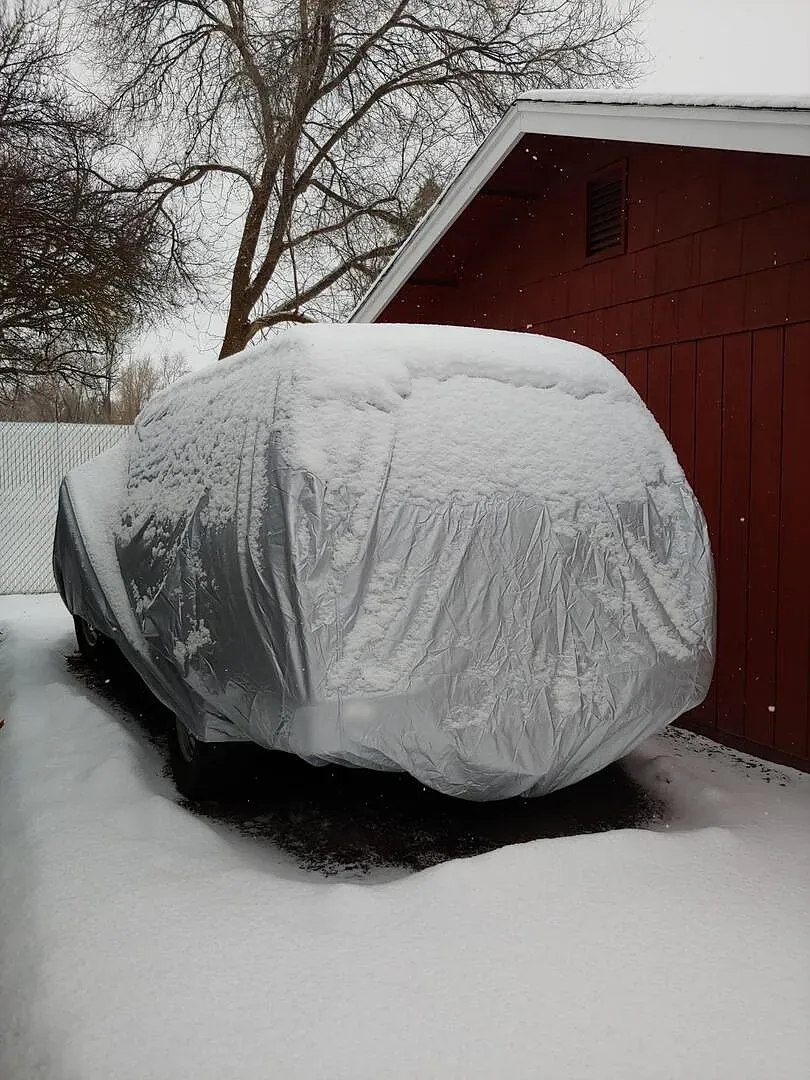
Outdoors, the question isn't really "is it waterproof?" It's what happens to your car on a real January night. Picture a sedan in a Chicago driveway. Freezing rain all evening, then the wind picks up after midnight. A loose, single-layer cover starts flapping, and by morning it's either half off the car or has been scrubbing the paint for six hours. A cover that's cut for that exact car, with straps that clip together under the body, just stays where it is. And because the fabric breathes, the moisture that does get under it on a warmer day can escape instead of sitting on the clear coat until spring.
That comes down to three things:
- Fit. A cover made for your year, make and model leaves no loose fabric for the wind to grab. See custom fit car covers.
- Layers that shed water but still breathe. Snow melt and freezing rain should run off, not soak through. Moisture underneath needs a way out.
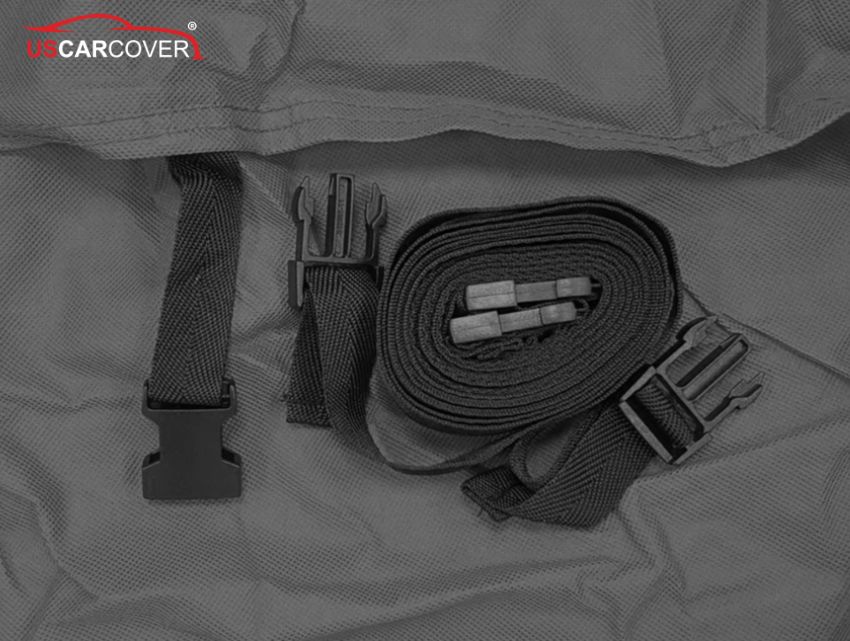
- Something to hold it down. Our outdoor series (DaShield™ Ultimum, Ultimum Lite, WeatherTec UHD and WeatherTec HD) come with adjustable underbody buckle straps for this reason.
For snow in particular, including how to clear it without dragging grit across the paint, read our guide to car covers for snow and ice. You can browse every outdoor option on our outdoor car covers page.
A few cover habits that make spring easier
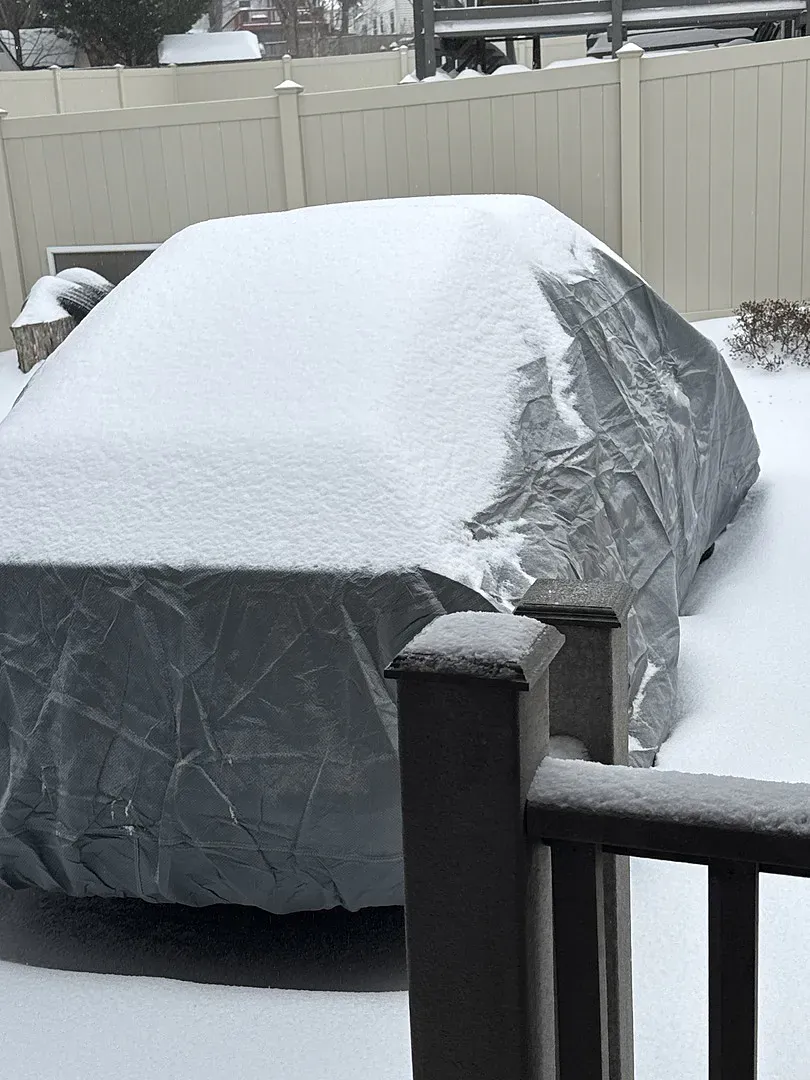
- After a heavy snow, brush it off the cover with a soft broom. Don't scrape it.
- If the cover freezes to the car, wait for a thaw. Pulling it free can tear the fabric or mark the paint. We cover this in how to stop your cover from freezing to the paint.
- Check the straps once a month, especially after a windy week.
Waking the car up in spring
When the weather turns, go through this list in reverse:
- Pull the steel wool out of the tailpipe and intake. (This is what the tag on the steering wheel is for.)
- Pop the hood and look for nests or chewed wires before you start anything.
- Reconnect or unplug the battery maintainer.
- Set the tires back to normal pressure.
- Check fluid levels, then start the car and let it idle for a few minutes.
- Drive gently for the first few miles. Brakes may grind a little at first while surface rust wears off the rotors. That's normal.
- Wash the cover before you put it away for the summer. Here's how to store it so it doesn't get musty.
FAQ: storing a car for winter
Should I start my stored car every couple of weeks?
Usually not. Starting it and letting it idle for five minutes doesn't get the engine hot enough to burn off the moisture that combustion creates, so you can end up with more condensation in the oil and exhaust than if you'd left it alone. Either take it for a proper 20-minute drive or let it rest until spring.
Is it OK to store a car outside all winter?
Yes, if you prepare it well and use a cover made for outdoor use. Clean and dry the car first, protect the battery and tires, and choose a cover that fits closely, breathes, and straps down so it can't blow around.
Can I put a cover on a car in a cold, damp garage?
You can, and it helps with dust. Pick a breathable fabric so moisture can escape, and add a moisture absorber inside the car. Avoid plastic tarps, which trap condensation against the paint.
How full should the gas tank be for winter storage?
Nearly full, with fuel stabilizer added. Less air in the tank means less room for moisture to form.
Do I need to take the battery out?
Not if you can use a battery maintainer. If there's no power where the car is stored, disconnecting the negative terminal is usually enough. Very cold storage over a long period is the one case where taking the battery inside is worth it.
Getting the car ready to sit? Find a cover cut for your exact vehicle on our custom fit car covers page, backed by our 30-day fit guarantee.
