
When the "falling stones from the sky" turn your beloved car into a golf ball surface: Does a standard cover really have enough strength against nature's fury?
Imagine you are in Texas, Nebraska, or Colorado on a sweltering May afternoon. The sky suddenly turns a dark grayish green, the air becomes eerily still, and then suddenly... Bam! Bam! Bam! Hailstones ranging in size from golf balls to baseballs begin to pour from the void at the speed of a professional pitcher. You stand by the window, helplessly listening to the sound of denting metal and shattering glass. The Ford F-150 or the Classic American Car that you just polished last weekend is now enduring a literal bombardment. Many car owners in the US have carefully equipped a car cover upon hearing the weather forecast. But the grim reality is: the next morning, when removing that flimsy cover, they still face a hood riddled with dents, looking no different from a rough golf ball surface. The painful question arises: Hail Protection for Cars: can a standard cover really save your car, or is it just a layer of fabric giving a false sense of security?
At US car cover, we do not just sell ordinary dust covers. We provide a vital solution to preserve the value of your assets. This article will go deep into dissecting the deadly mistakes when choosing hail protection and introduce our latest "heavy weapon": the DaShield Ultimum Layer product line with 6 layers of ultimate protection.
Related Articles: Living Near the Coast? Why Salt Air is Your Car's Biggest Enemy and How to Stop It
Hail and its terrible destructive power: Why a Standard Cover always fails
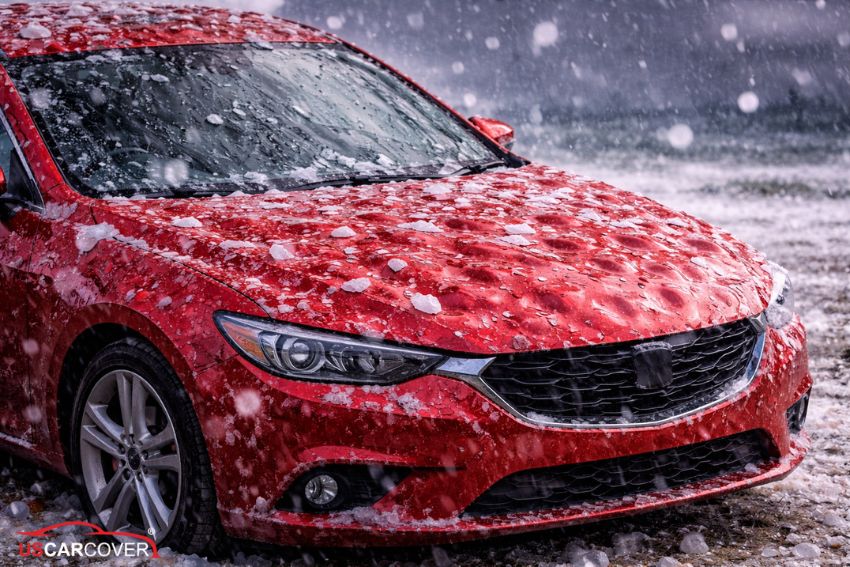
To understand why a regular cover is helpless against hail, we need to deeply analyze the physics of impact and material structure.
The kinetic energy of "ice spheres". A medium sized hailstone falling from tens of thousands of feet can reach velocities of 100 mph (about 160 km/h). Upon impact, this kinetic energy is completely converted into maximum pressure on the metal surface. Standard car covers are usually composed of only 1 to 2 thin layers of fabric to protect against dust or UV rays. They completely lack the ability for impact absorption. As a result, the cover only serves to "keep the paint from minor scratches," but the impact force still penetrates through the fabric, directly denting the steel shell and hood underneath.
The pain called "Structural Damage" and the financial burden. The cost of Paintless Dent Repair (PDR) in the US is not cheap. With major storms, the number of dents can reach hundreds, causing repair bills to range from a few thousand to tens of thousands of dollars. Worse, if the windshield is shattered, your Chevy Silverado will face the risk of interior damage due to rainwater pouring in. Claiming insurance will also cause your annual insurance premium to skyrocket, not to mention that the Car resale value of the car will be seriously affected because the natural disaster accident history is recorded on Carfax.
Related Articles: Why Breathability is More Important Than Waterproofing: Preventing Mold and Mildew
Customer pain: "I covered it, but why is the car still dented?"
This is the painful question we receive daily from car owners in the "Hail Alley" region of the Midwest. They believed in the flashy advertisements for cheap "multipurpose covers."
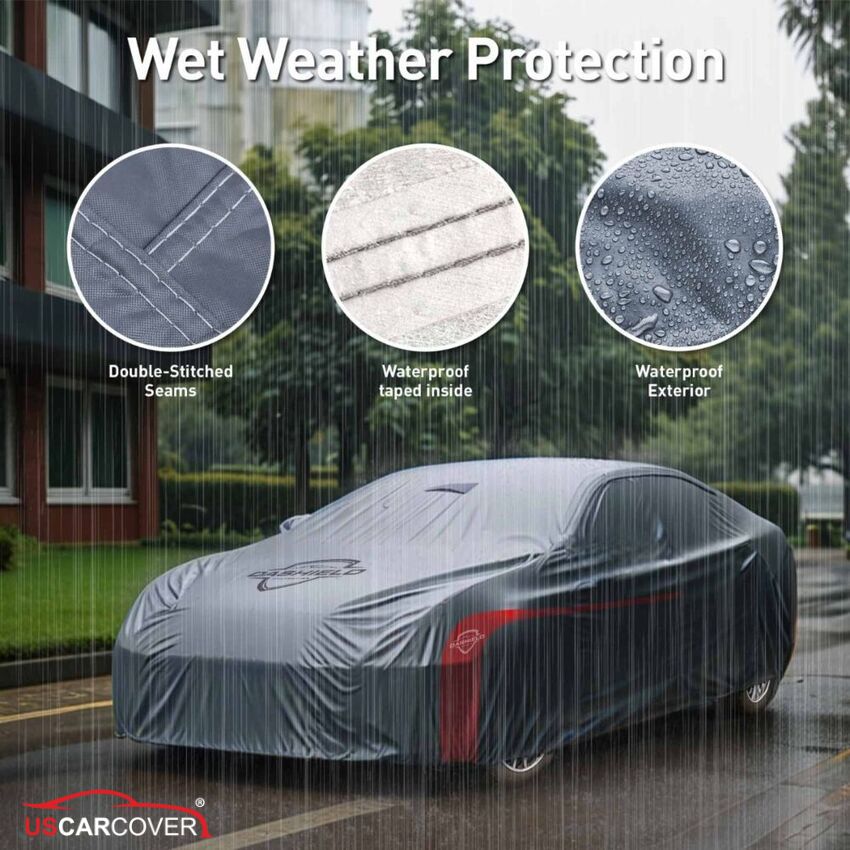
The disastrous confusion between Weatherproof and Impact-proof. Many people mistakenly think that if a cover is labeled as a Weatherproof car cover, it can protect against all weather effects. In reality, "weatherproof" in the car cover industry usually only means water resistant and wind resistant. It completely lacks the padding to protect against falling objects with high kinetic energy. Putting a thin nylon layer on your Toyota Tundra during a hailstorm is like wearing a shirt to stop a bullet: it brings a false sense of security, but the final result is still deep damage to your vehicle.
Curiosity and the hunger to find a true "Suit of Armor" Car owners begin a cycle of searching: "Which fabric is actually good?", "How many layers are enough?". They are curious about terms like Polyester Cloth, PE membrane, or Oxford fabric. They realize that to protect a car from hail, they need something thicker, tougher, and especially something with elasticity to neutralize impact force. That is when the need for a specialized cover line like DaShield Ultimum Layer becomes more urgent than ever.
Related Articles: Top 5 Best Fabrics for Outdoor Car Covers: Which One Survives the Sun?
DaShield Ultimum Layer: The ultimate 6-layer protection system from US car cover
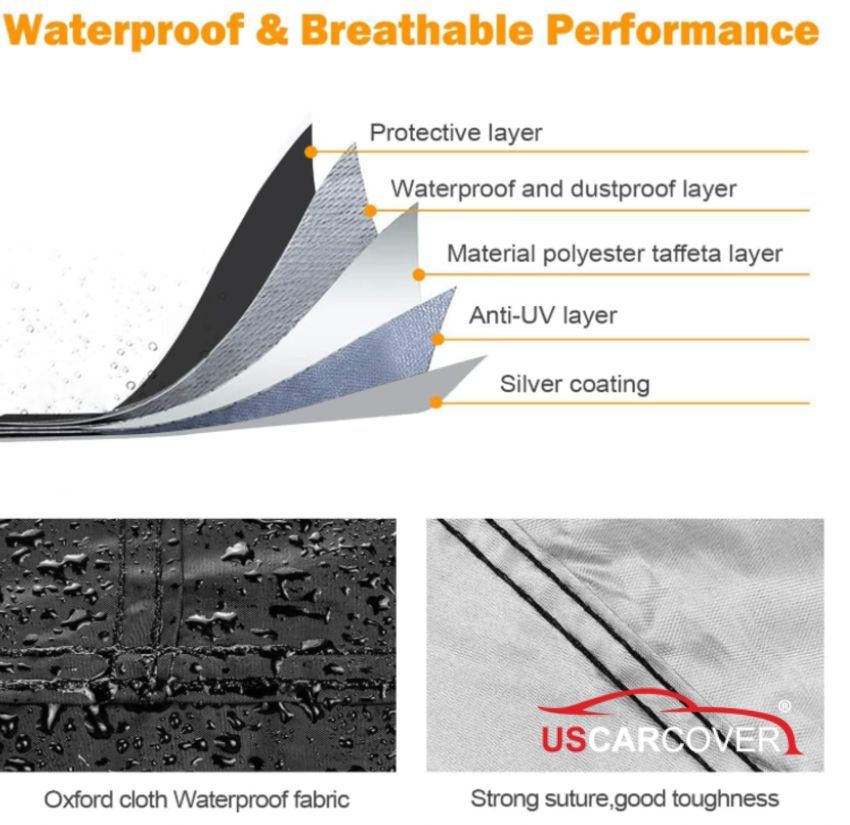
Understanding the anxiety of customers, US car cover has spent years of research to develop the DaShield Ultimum Layer product line. This is not merely a cover; it is a "multi-layered armor" system designed to withstand the harshest furies of the sky
Decoding the 6-layer structure: Why thickness determines survival?
Each layer in the DaShield Ultimum Layer line takes on a strategic task, combining together to form an impenetrable barrier:
- Reflective Outer Layer: Strongly reflects UV rays, preventing high temperatures from making the paint brittle and protecting the interior from fading (UV radiation protection)
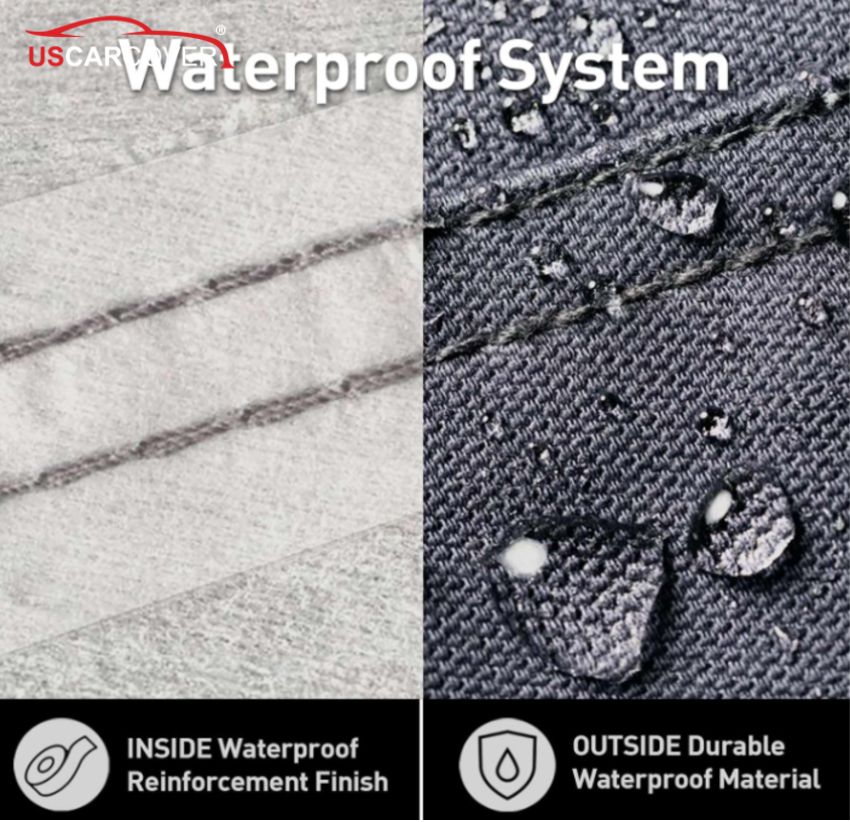
- Waterproof PE Membrane: Ensures the car stays absolutely dry during torrential rains accompanied by hail, preventing acid penetration (Acid rain defense)
- Special EVA Shock Absorption Layer: This is the "secret weapon." This high density EVA foam layer has maximum elasticity, acting like a miniature airbag. When a hailstone falls, this layer compresses and disperses the impact force over a wide area instead of concentrating it on one point, helping your hood escape denting miraculously.
- Reinforced Structural Fabric: Increases tensile strength, preventing the cover from being torn by sharp edged stones or falling tree branches in a strong storm.
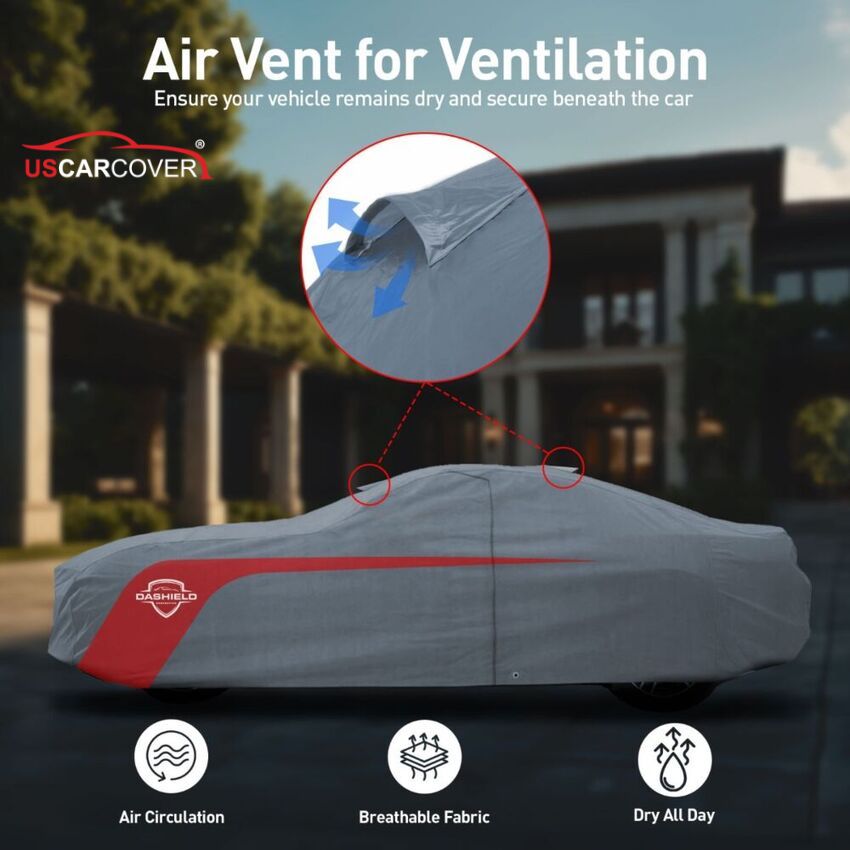
- Breathable fabric: Allows moisture to escape, preventing "sweating" under the cover that causes rust (Rust prevention) and mold in humid conditions.
- Super soft Micro-fleece lining: This fine cotton layer directly contacts the car, acting as a velvet layer protecting the Clear coat safety, absolutely ensuring no fine scratches or Swirl marks prevention.
- The importance of the right investment: Protecting your wallet.
In the war against natural disasters, saving money in the wrong place often leads to the biggest waste. Investing in a DaShield Ultimum Layer set from US car cover might be slightly higher than regular covers, but look at the long term economic equation.
Related Articles: Outdoor vs. Indoor car covers: Which one do you actually need?
Versatile protection: From Hail to Salt Air
An extremely special point is that this 6-layer cover line does not just protect against impacts. With its ideal thickness, it is also the "nemesis" of Salt Air in coastal regions. The PE membrane and reinforced fabric layers absolutely block tiny salt particles from sticking to the metal surface, excellently performing the task of Vehicle preservation. Whether you are in hail prone Texas or salt air filled Florida, this is still the only choice you need.
Protection from everyday physical impacts. Besides hail, our cover also protects your Dodge Ram from daily risks: children playing ball near the car, falling dry branches, or even scratches from stray cats. This is total 360 degree protection that no standard cover can promise.
Guide to proper use and maintenance of DaShield Ultimum Layer covers
Owning "good armor" is one thing; using it correctly is another to ensure maximum effectiveness. Lightning fast" covering process when a storm arrives. In hailstorms, you usually only have a few minutes to act. US car cover products are optimized so that one person can operate quickly:
Step 1: Spread the cover along the center axis of the car from the hood to the rear.
Step 2: Expand the two sides and wrap them over the rearview mirrors for positioning.
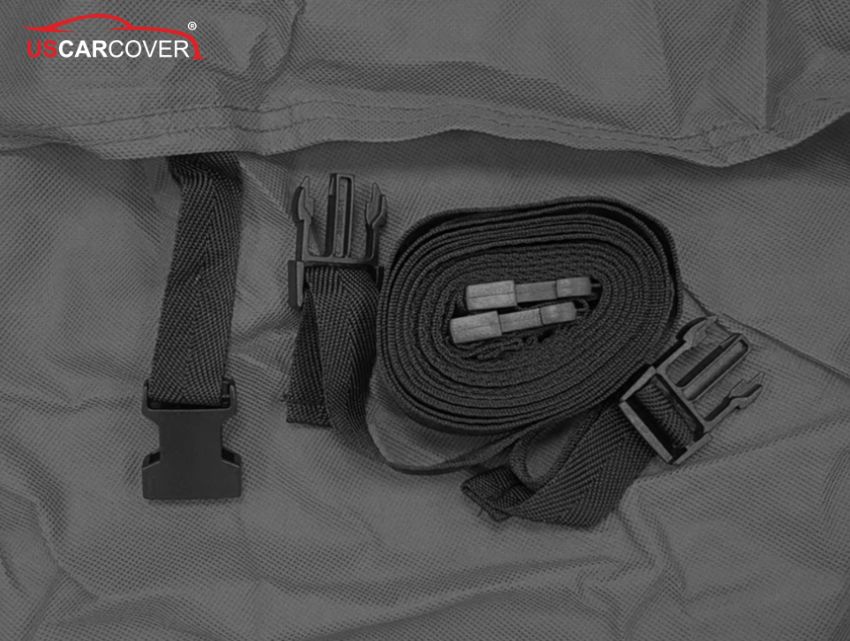
Step 3: Use the Heavy-duty car cover strap system to lock it to the wheels. Never skip this step, because the wind gusts accompanying hail can turn your cover into a kite if it is not securely fastened.
How to maintain the cover for durability
Post storm cleaning: After the hailstorm ends, use a water hose to clean off mud and leaves on the cover surface.
Drying is mandatory: Never fold the cover while it is still wet. Let the cover dry completely before putting it in the storage bag to protect the Micro-fleece lining inside.
Storage: Fold neatly according to the existing fold lines so the EVA padding layer is not subjected to deep creases, keeping the elasticity in the best state.
"The Steel Ball Test" and the astonishing reality
We conducted a comparison experiment in the lab: dropping a steel ball weighing the equivalent of a large hailstone from a height of 5 meters.
With a standard cover: The ball left a 0.8 cm deep dent on the test hood surface.
With DaShield Ultimum Layer: The metal surface remained completely flat, with no trace of the impact.
This is the most eloquent proof for the question: Hail Protection for Cars: can a standard cover save you? The answer is NO, unless it is our specialized 6-layer cover line.
Related Articles: Classic American Car Restoration: How Our Covers Preserve Automotive History
Where to buy a quality car cover? US car cover: The trust of every car owner in the US
Among thousands of choices on the market, US car cover stands firm as the number 1 brand thanks to transparency and superior quality. Why do customers choose us?
Exclusive technology: We are the pioneers in applying EVA padding to car covers in the US.
Custom-fit car cover: Each cover is designed specifically for each car model. Your Ford F-150 will have a cover that fits perfectly, with no gaps for wind or stones to enter.
Commitment to Paint preservation: We do not just protect the car from dents but also ensure the paint remains as shiny as new after years of use.
24/7 customer support: We understand the climate of each state and will advise you on the product best suited for local conditions.
"Reinforcing the Defense Line" accessories for hail season

To protect your car at a 100 percent level, combine a US car cover with.
Windshield Pads: Extra padding for the sensitive windshield area.
Hail Alert Systems: Subscribe to real time weather alert services to avoid being surprised.
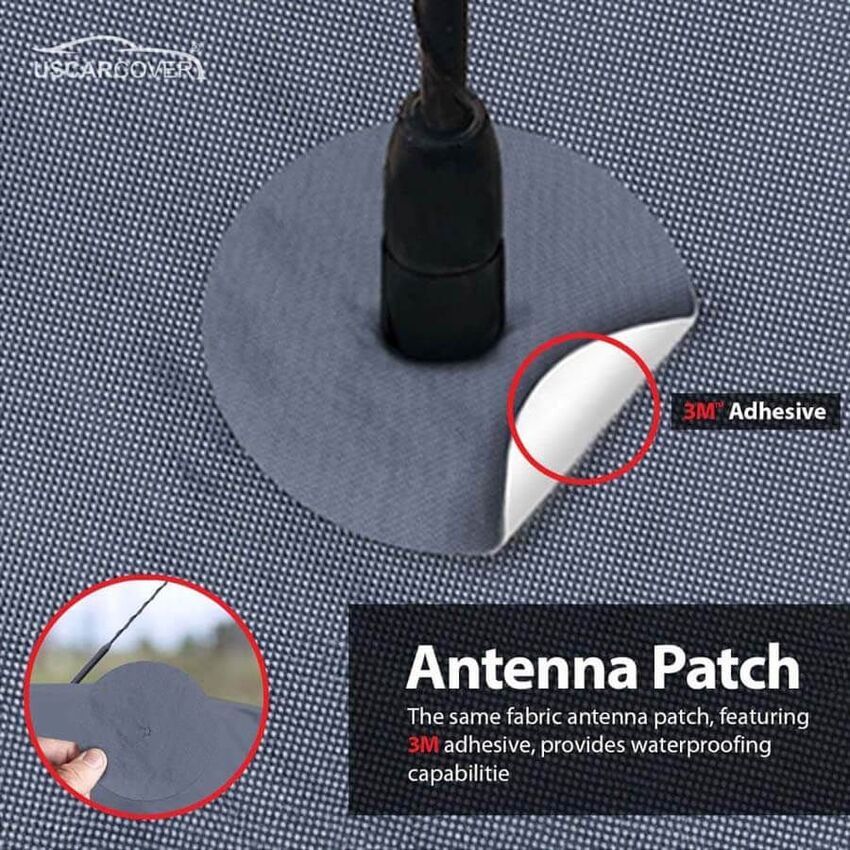
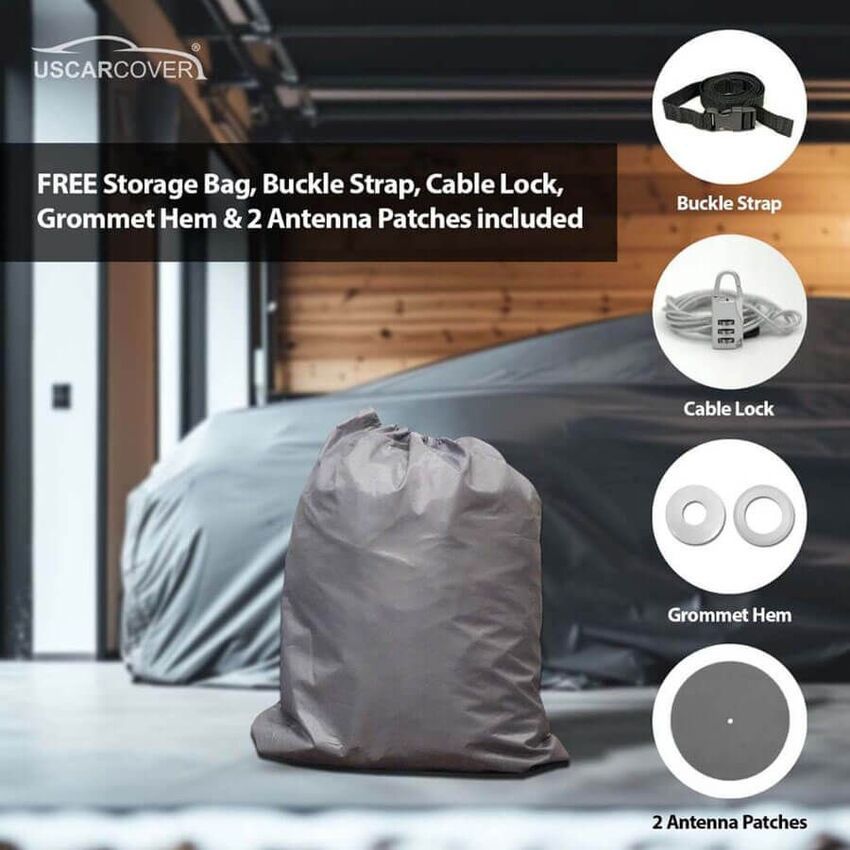
Antenna Covers: Protect small but fragile details on the roof.
