Custom Fit vs. Universal Fit is one of the most common comparisons car owners make when choosing a car cover. Drivers want reliable vehicle protection, but many are unsure whether a custom fit car cover or a universal fit cover offers better value.
Both types of covers are designed to protect automotive paint, clear coat, and exterior surfaces from UV rays, dust, moisture, and environmental contaminants. However, the difference in fit, material quality, and overall protection can be significant.
Many buyers become confused when they see the price difference. A universal fit cover is usually cheaper because it is made to fit many vehicle types. A custom fit car cover is engineered for the exact shape and dimensions of a specific vehicle, which often results in better paint protection and stability.
Understanding the real differences between Custom Fit vs. Universal Fit helps vehicle owners choose the right level of car cover protection for their needs and protect their vehicle more effectively.
What Is a Custom Fit Car Cover
In the discussion of Custom Fit vs. Universal Fit, a custom fit car cover is designed specifically for a particular vehicle model. Unlike a universal fit cover, it is built using exact vehicle measurements to provide precise vehicle protection and better paint protection.
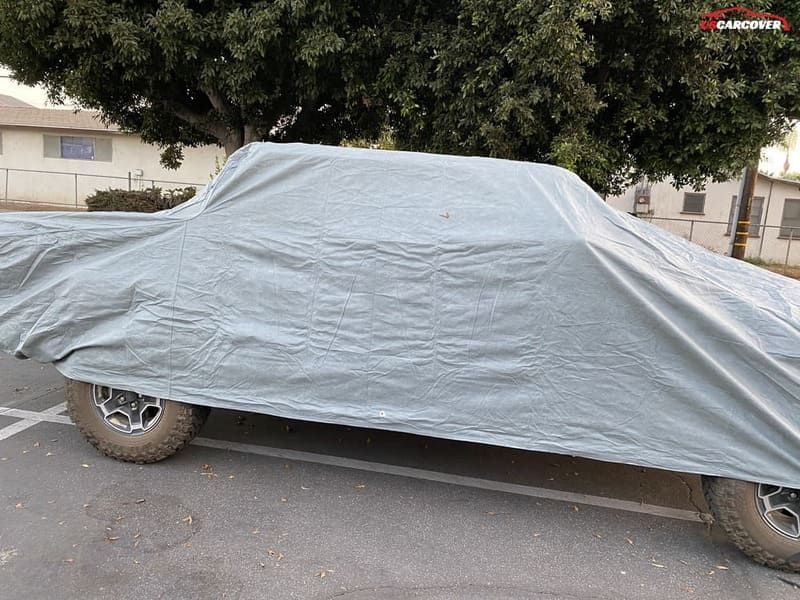
Designed for Exact Vehicle Dimensions
A custom fit car cover is engineered using vehicle specific measurements. Manufacturers design the cover based on the exact size and shape of a specific vehicle model.
This design allows the cover to fit perfectly around mirrors, spoilers, and unique body contours. The result is better coverage for the entire paint surface and stronger protection for the clear coat.
Precision Fit for Modern Vehicles
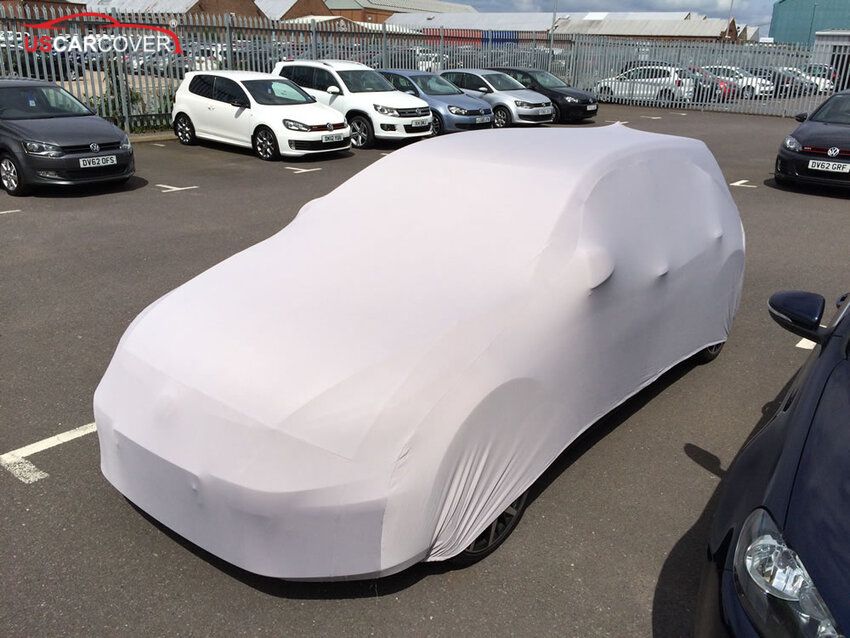
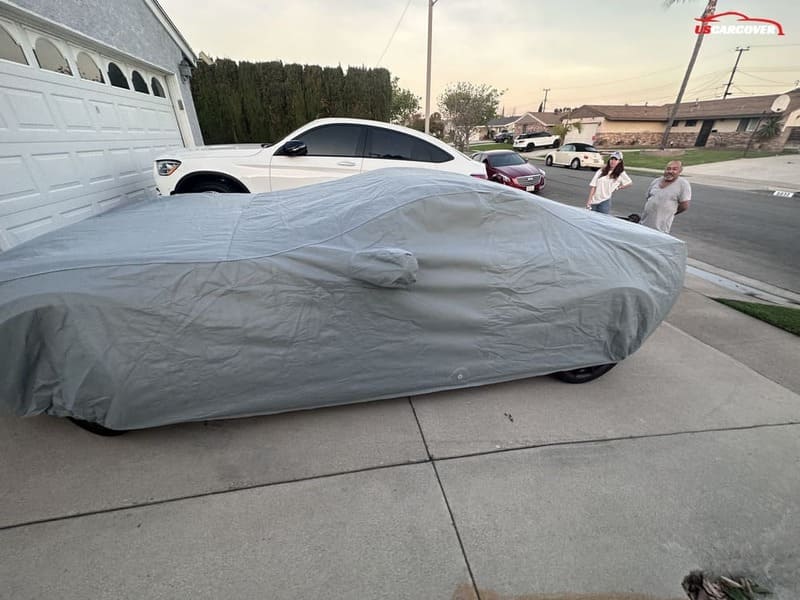
A major advantage in the Custom Fit vs. Universal Fit comparison is the precision fit. A custom fit car cover wraps closely around the vehicle and follows the natural body lines.
Because the cover sits tightly against the vehicle, it reduces excess fabric. Less loose material means less movement across the automotive paint, which helps improve long term paint protection while also giving the vehicle a cleaner appearance.
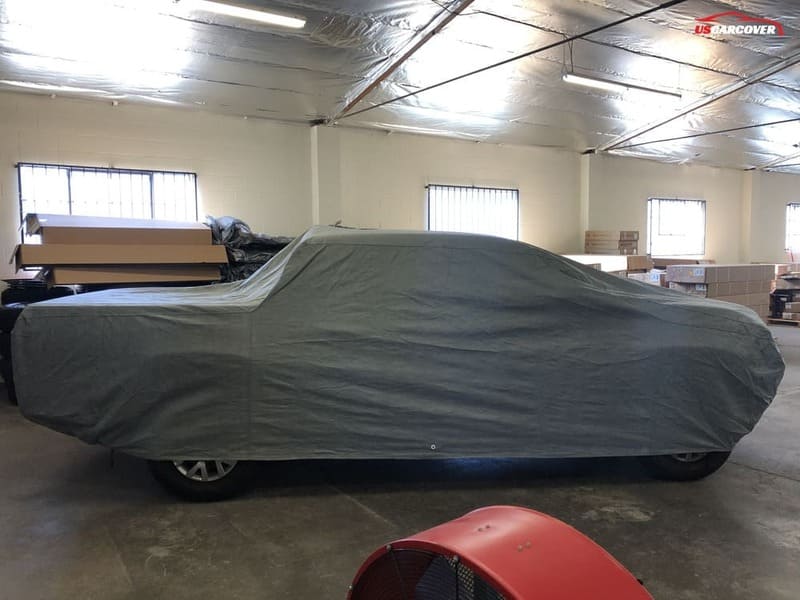
Typical Materials Used in Custom Covers
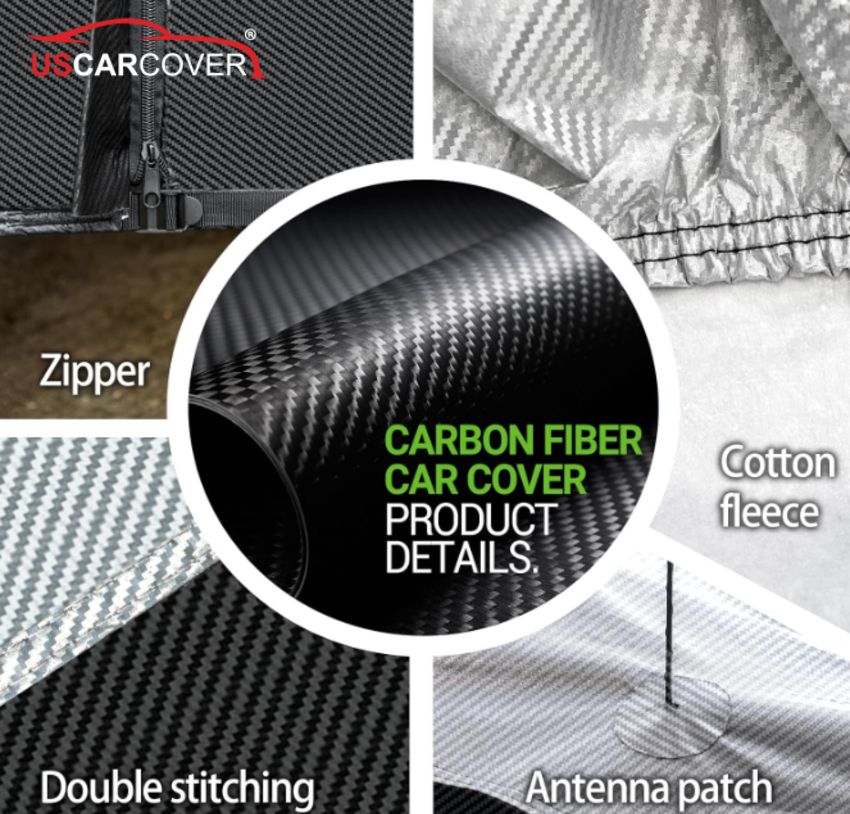
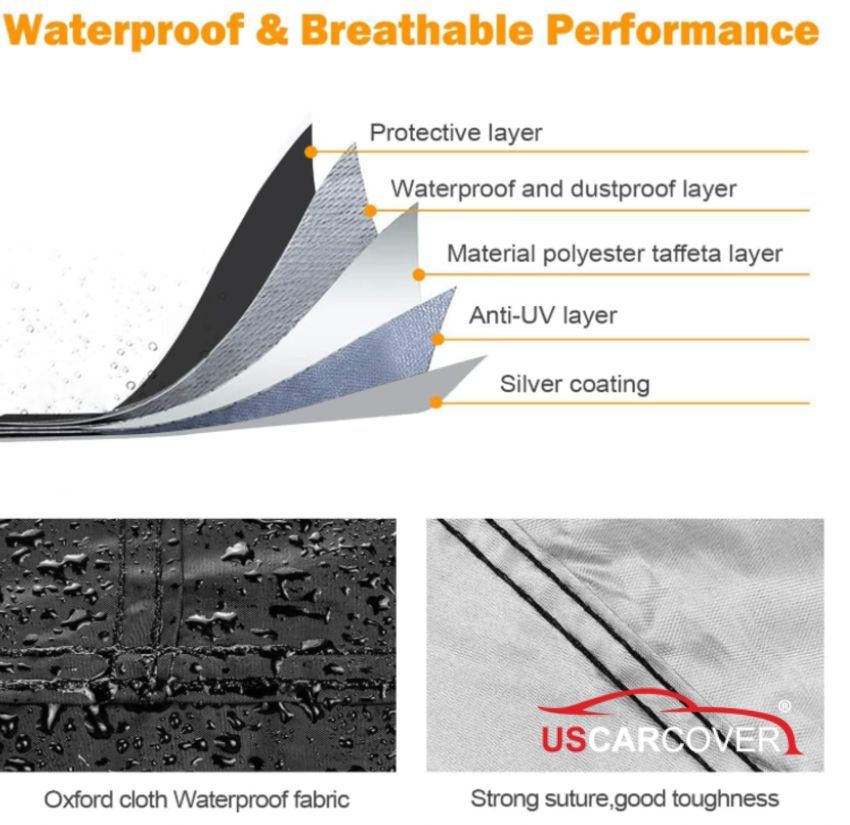
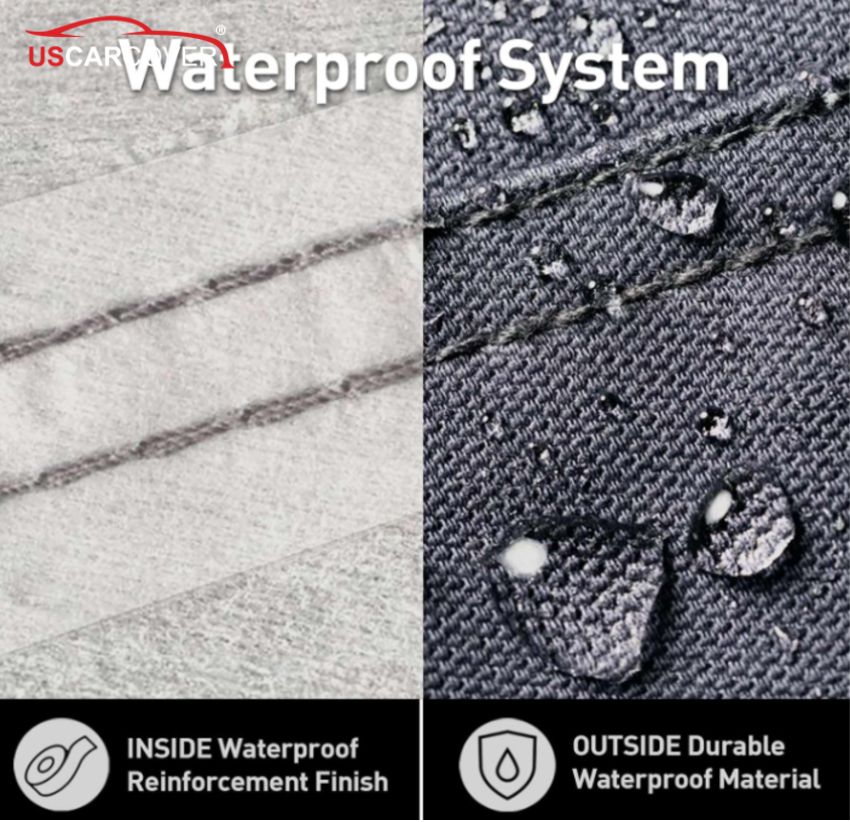
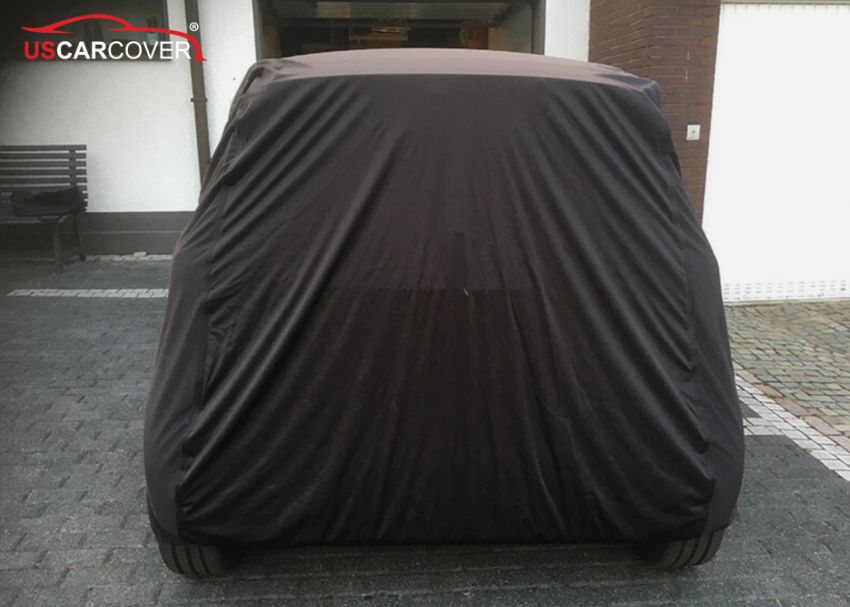
Most custom fit car covers use high quality materials designed for durability and protection. Many premium covers use multi layer outdoor fabrics that help block UV rays, moisture, and environmental contaminants.
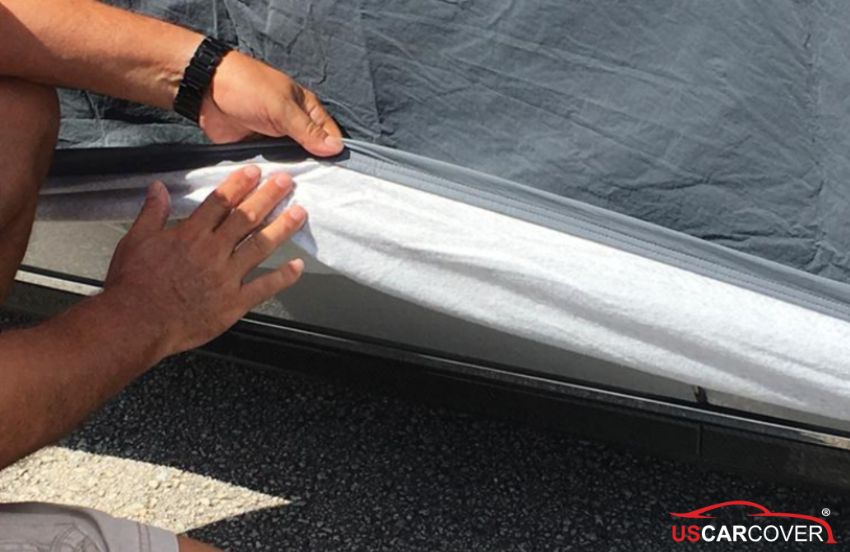
Inside the cover, manufacturers often include soft inner linings that help protect the paint surface and clear coat from friction. These materials are designed to support safe and reliable car cover protection for daily use or long term storage.
Related Articles: Do Car Covers Really Protect Against Hail Damage?
What Is a Universal Fit Cover
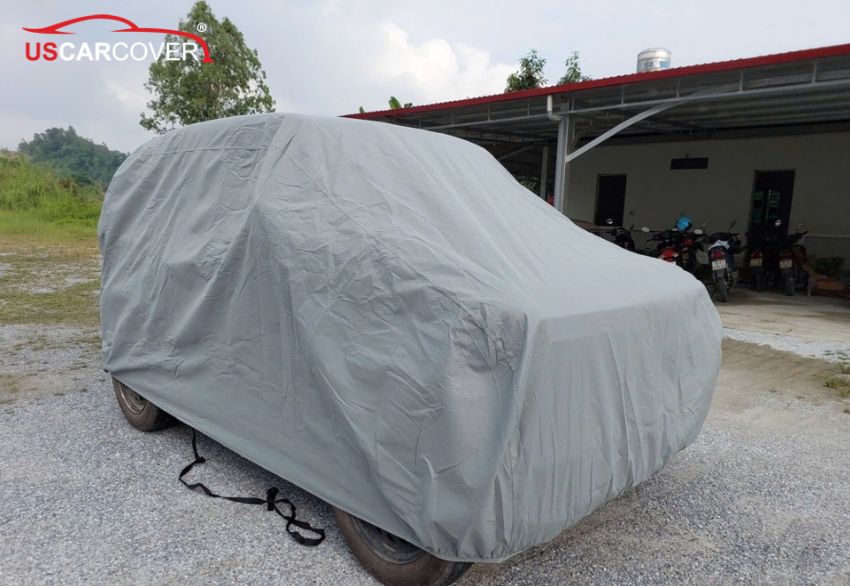
In the comparison of Custom Fit vs. Universal Fit, a universal fit cover is designed to fit many different vehicles rather than one specific model. It provides basic vehicle protection, but it does not match the exact shape of the car like a custom fit car cover.
One Size Designed for Multiple Vehicles
A universal fit cover follows a general size category such as sedan, SUV, or truck. Manufacturers create these covers to fit a wide range of vehicle sizes.
Because they are not based on vehicle specific measurements, the fit is less precise. This often leaves extra fabric around the body panels, mirrors, and bumpers, which can reduce overall paint protection.
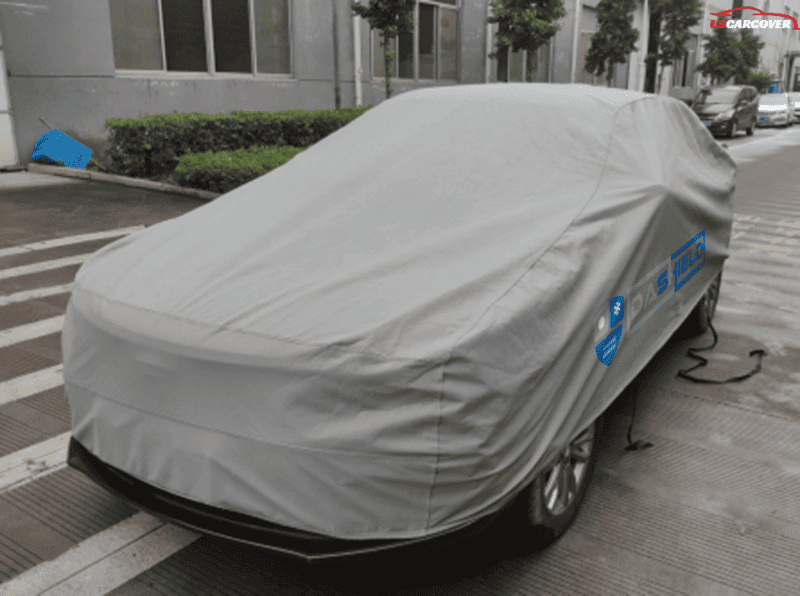
Common Features of Universal Covers
Most universal fit covers include basic elastic hems that help hold the cover around the vehicle. However, they usually lack detailed shaping for mirrors, spoilers, or body contours.
The construction is often simpler and the materials may be thinner. While they still offer some protection from dust, sunlight, and light debris, the overall car cover protection is usually more basic than a custom fit car cover.
Why Universal Covers Are Usually Cheaper
A major reason for the price difference in Custom Fit vs. Universal Fit is the production process. Universal fit covers are made using mass production design, which allows manufacturers to produce large quantities quickly.
They also require less engineering and fewer specialized materials. Because of these lower material and design costs, a universal fit cover is typically more affordable than a custom fit car cover.
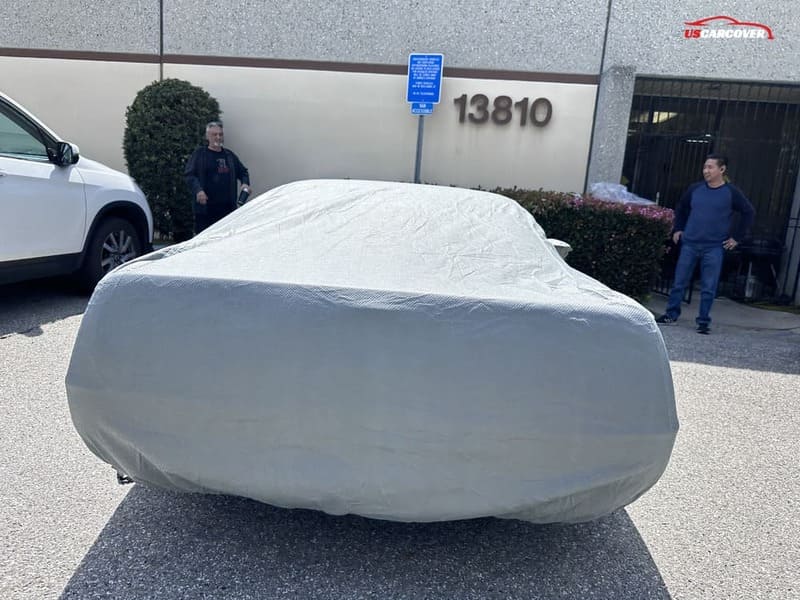
Related Articles: The Best Car Covers for Long-Term Storage | Protect Your Vehicle
Custom Fit vs. Universal Fit: Key Differences That Matter
When comparing Custom Fit vs. Universal Fit, the most important differences come down to fit, vehicle protection, and long term paint protection. While both types of car covers are designed to protect a vehicle, the level of protection they provide can vary significantly.
Fit and Coverage
A custom fit car cover is designed to match the exact vehicle shape and body contours. It follows the lines of the hood, roof, mirrors, and bumpers, allowing the cover to sit smoothly on the paint surface.
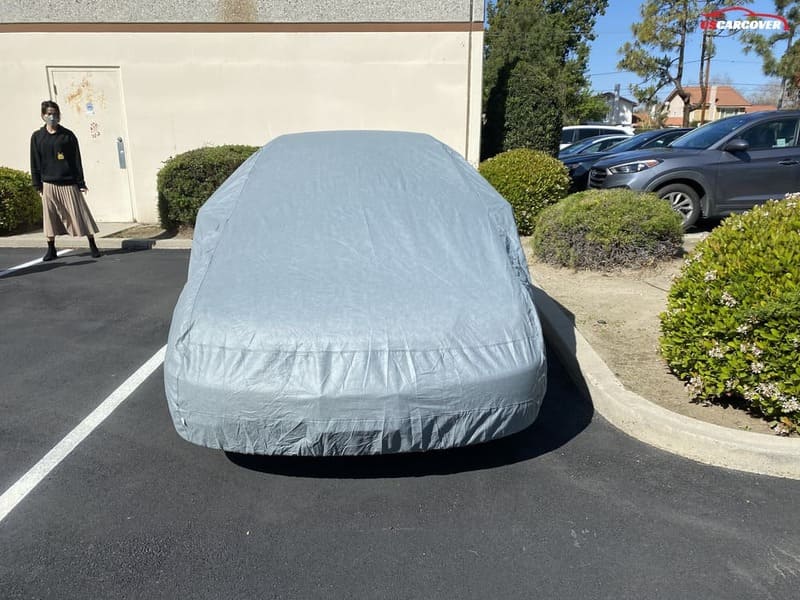
A universal fit cover is designed for many vehicles, so it often leaves loose areas around the body. Extra fabric can reduce overall car cover protection and may allow dust or debris to reach the automotive paint.
Protection Against Environmental Damage
Both custom fit car covers and universal fit covers offer some protection from the environment. However, the level of paint protection can differ.
A properly fitted cover helps shield the clear coat from sun exposure and harmful UV rays, which are major causes of paint fading. It also helps block dust, pollen, and small debris that can settle on the paint surface.
Better fit can also improve moisture management. A well designed cover allows airflow while still protecting the vehicle from rain and environmental contaminants.
Wind Resistance and Cover Stability
Wind stability is another major factor in the Custom Fit vs. Universal Fit comparison. A custom fit car cover stays close to the vehicle and remains more stable during windy conditions.