
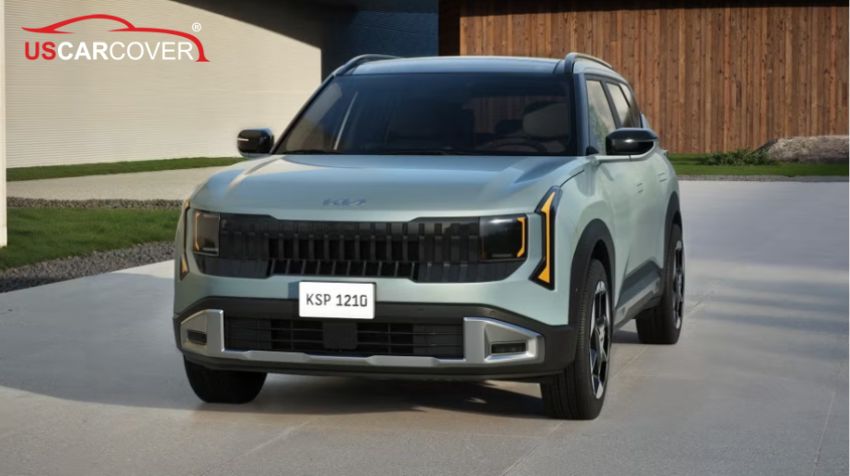
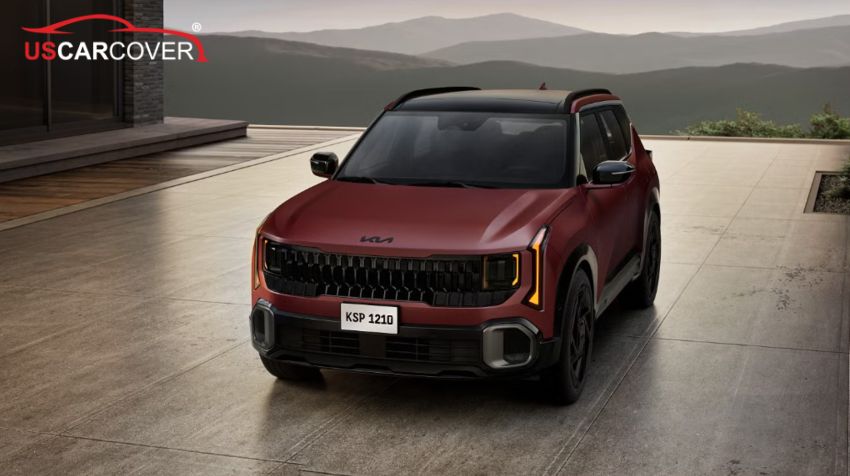
2027 Kia Seltos is a fully refreshed version of Kia’s small crossover, featuring bolder styling, a larger footprint, and upgraded technology. The new Seltos draws inspiration from Kia’s EV design language and takes on a more Telluride-like presence for a stronger road stance. Body dimensions are slightly increased compared to the previous model (4,430 mm long, 1,830 mm wide), which translates into more usable space, including up to 536 liters of cargo capacity (103 liters more than before). The 2027 Kia Seltos interior also gets a major upgrade: dual 12.3-inch screens for the gauge cluster and infotainment, a rear seatback that can recline up to 24 degrees for added comfort, and a long list of higher-end features such as a head-up display, panoramic sunroof, voice assistant, 360-degree camera, and more, all of which make it feel more premium than the outgoing version.
Related Articles: 2026 Mazda RX9 Review: Rotary Is Back, Is It Worth Waiting For?
Powertrains and Performance

For the U.S. market, the 2027 Kia Seltos is expected to offer the same two core engine options as the prior generation: a 2.0L naturally aspirated inline-four and a 1.6L turbocharged inline-four. International reporting lists the 2.0L at 147 horsepower (132 lb-ft of torque), while the 1.6L turbo is rated higher at 190 horsepower (195 lb-ft). Both engines are paired with a new 8-speed automatic transmission, and it is expected that both the 2.0L and 1.6T will use this 8-speed automatic (instead of the previous CVT on the older model) for smoother, more confident drivability. Front-wheel drive will remain standard, while all-wheel drive is expected to be optional, especially with the higher-output 1.6T to better handle power delivery and improve traction in slick conditions.
In everyday driving, both engines should cover typical needs well. The 2.0L feels easygoing and is generally sufficient for commuting and highway cruising with normal loads. Its strengths are lower upfront cost, simpler ownership, and lower maintenance expense. The 1.6L turbo, however, provides noticeably stronger passing power, more confident merging, and better flexibility when the vehicle is loaded with passengers or cargo. If you regularly carry a full cabin, drive longer distances, or want more effortless acceleration, the 1.6T is the more reassuring choice.
Related Articles: 2026 Chevy Silverado 1500 Review: Compared with Ford F-150 and Ram 1500, Where Does Silverado Stand?
The 2027 Kia Seltos also benefits from improvements to structure and noise insulation. A higher-strength body structure improves rigidity, and thicker glass helps reduce cabin noise, making the vehicle feel more solid and quieter at highway speeds. Suspension tuning is expected to balance comfort with load management, with less bounce over rough pavement and better composure when carrying weight.
Key strengths of 2027 Kia Seltos compared with the previous generation: A more aggressive design with vertical LED lighting and a stronger SUV stance. A more tech-forward cabin with dual 12.3-inch displays, intuitive controls, comfortable seating, and premium features (head-up display, panoramic roof, premium audio). More rear-seat comfort thanks to a longer wheelbase, plus rear seat recline up to 24 degrees. Modern safety and driver-assistance features including automatic emergency braking, lane keeping, blind-spot support, and 360-degree camera. A stronger engine option (1.6L turbo at 190 hp) paired with an 8-speed automatic for a more capable experience.
These upgrades make the 2027 Kia Seltos a better fit for modern buyers who want a compact SUV that is practical for family life, tech-rich for younger drivers, and still priced within reach.
Related Articles: 2026 Mitsubishi Montero Review: Does Its Safety and Tech Keep Up with Competitors?
Exterior and Interior
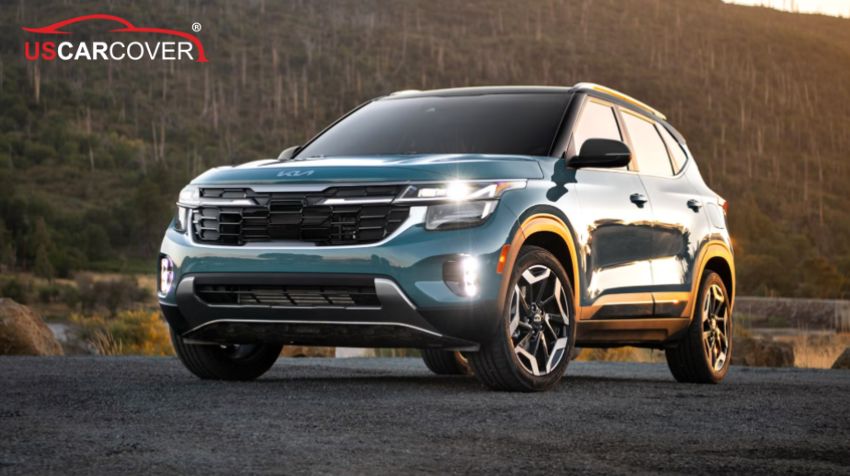
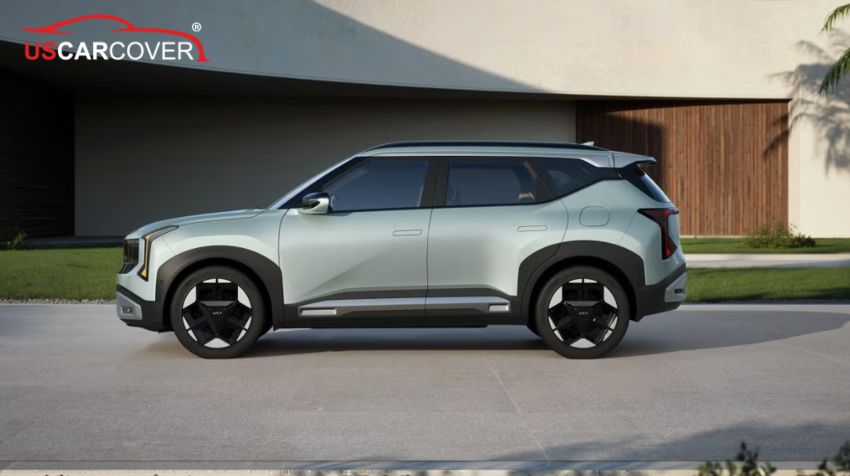
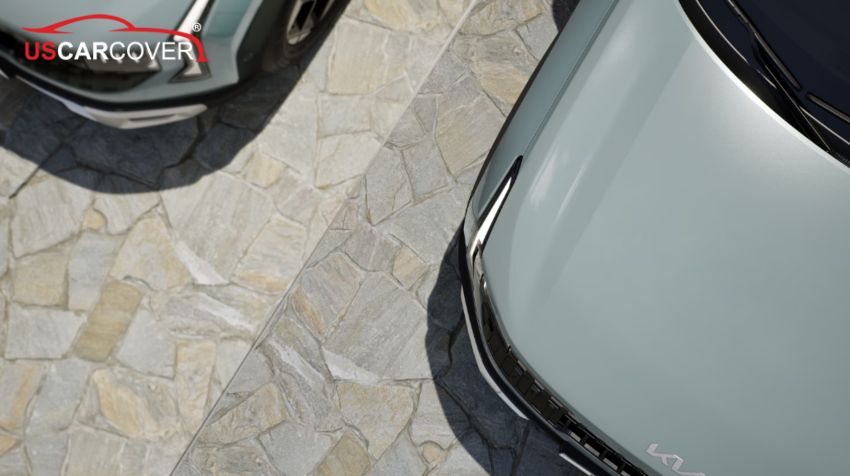
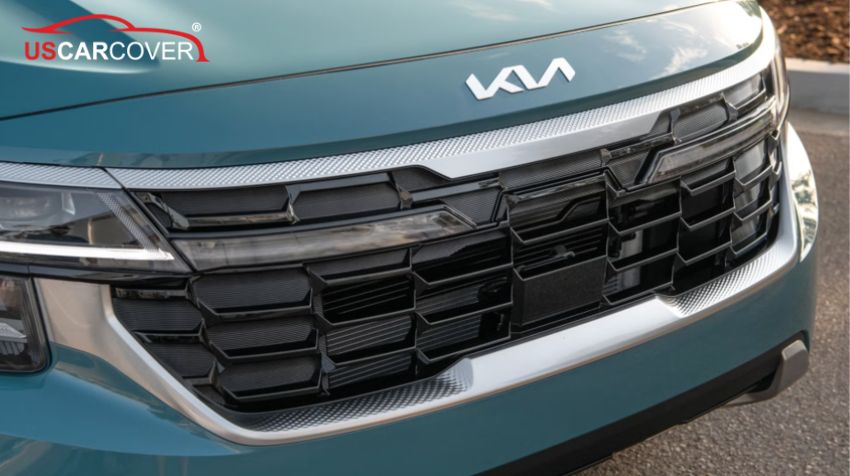
Up front, the 2027 Kia Seltos stands out with a wider V-shaped grille integrated into vertical LED headlamp elements that resemble Kia’s EV lineup. A more rugged front bumper and silver lower cladding add a tougher, more muscular look. The side profile features flush-style door handle styling similar to the EV5 and sharper character lines for a cleaner, more modern silhouette. The X-Line trim leans into a more adventurous look with dark wheels and all-terrain style elements, while the GT-Line emphasizes a sportier appearance. Out back, the bodywork is more angular and upright, with LED taillamps forming an hourglass-like signature that matches Kia’s new design direction.
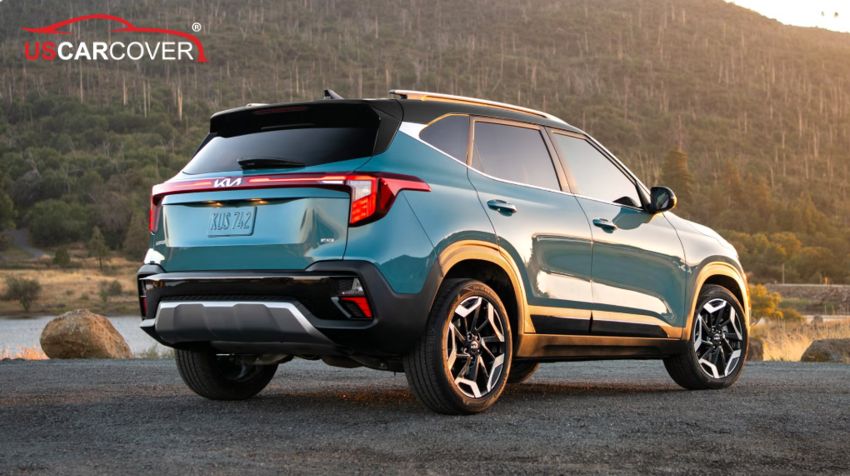
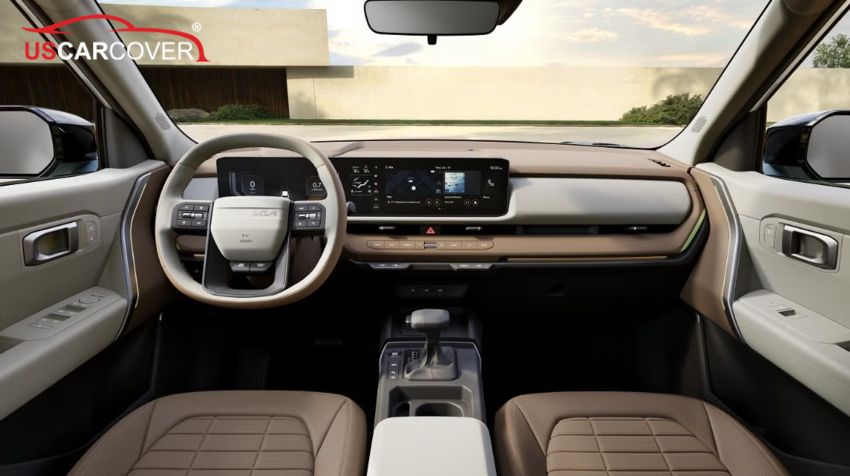
Inside, the cabin moves further toward an EV-inspired layout: a wide, minimalist dash, 64-color ambient lighting, and upgraded materials. Most key information is presented through dual 12.3-inch curved displays that visually connect the instrument cluster and center infotainment. A welcome detail is that Kia keeps a physical volume knob and separate climate controls instead of forcing everything into touch menus, which many drivers still prefer. Higher trims add features like a panoramic sunroof, a premium Bose or Harman Kardon audio system, and a 12-inch head-up display. Rear-seat room benefits from a 60 mm wheelbase increase, and rear passengers can recline up to 24 degrees for better long-trip comfort.
Related Articles: 2026 Mitsubishi Pajero Sport Review: What Is Worth Paying For in the Exterior, Interior, and Engine?
Tech content is strong for the class. The 2027 Kia Seltos is expected to offer wireless Apple CarPlay and Android Auto, over-the-air updates, and an AI-style voice assistant designed to understand more natural commands. Standard safety features include automatic emergency braking, lane departure warning, blind-spot alerts, and lane-keeping support. Higher trims may add more advanced functions like adaptive cruise control with lane-centering.
Overall, 2027 Kia Seltos takes a big step toward a more premium cabin experience, and it can feel closer to an entry-luxury vehicle than a typical budget subcompact SUV.
Related Articles: 2026 Toyota Fortuner Review: Does the Fortuner Still Have Enough Strength to Compete in Its Segment?
2.0L vs 1.6L Turbo: Which Is the Better Value?
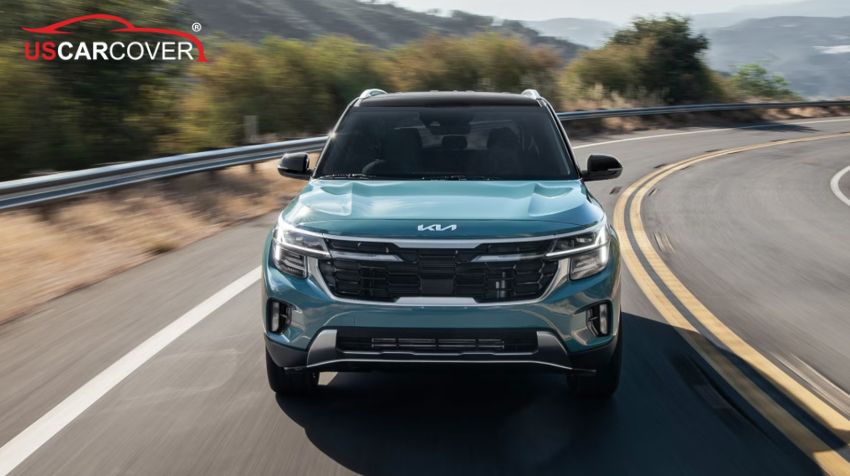
The core question is which engine choice delivers the best value for Americans: the 2.0L naturally aspirated engine or the 1.6L turbo. Each has clear pros and cons:
- 2.0L naturally aspirated (147 hp): The biggest advantages are a lower purchase price, reasonable fuel economy, and simpler long-term ownership. With 147 horsepower, it is adequate for city driving and everyday highway use for typical family needs. With either a CVT (if applied) or the newer 8-speed automatic, it should feel smooth and easy to live with. This is a cost-focused choice for buyers who want space and features without pushing the budget. The downside is limited power. With a full passenger load or when you need quick passing acceleration, the 2.0L can feel less responsive than the turbo option.
- 1.6L turbo (190 hp): The advantage is straightforward: stronger performance. With 190 horsepower and 195 lb-ft of torque, it feels more capable when merging, passing, climbing grades, or driving with a full cabin. The 8-speed automatic is expected to pair well with the turbo, delivering stronger acceleration with more confident response. Typically, turbo variants also come with higher trim equipment, often including AWD, larger wheels, and upgraded interior features, so the overall experience feels more premium. The downside is higher cost than the 2.0L and potentially higher fuel use if you drive aggressively.
From a pure value standpoint, the 1.6L turbo with AWD (often associated with the higher SX-type trims) is likely the best overall choice for many Americans who want a compact SUV that feels confident on highways and in challenging weather. It combines performance, traction, and a richer feature set. Still, if your driving is mostly city commuting, you rarely carry heavy loads, and you want the lowest possible purchase price, the 2.0L remains a sensible pick.
Related Articles: 2026 Mustang GT 350 Review: Which One Is Worth Buying, Which Options Are Worth the Money?
Comparison With Segment Rivals
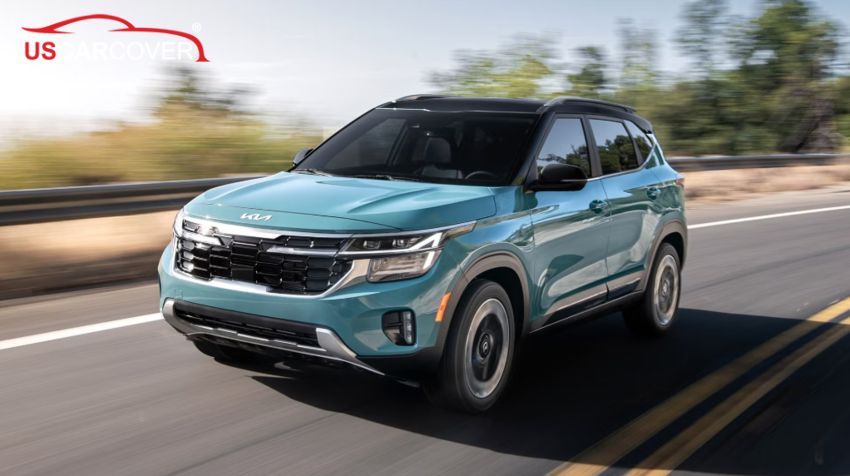
In the U.S. market, 2027 Kia Seltos competes directly with subcompact SUVs such as Honda HR-V, Toyota Corolla Cross, Hyundai Kona, Mazda CX-30, Subaru Crosstrek, Volkswagen Taos, and others like Kia Soul and Nissan Kicks. The expected starting price range for Seltos is around $25,000 to $27,000, which places it right in the heart of the segment. For example, Hyundai Kona starts around $26,950, Toyota Corolla Cross around $26,385, Honda HR-V around $27,650, Subaru Crosstrek around $28,445, while Nissan Kicks can start lower at around $23,925.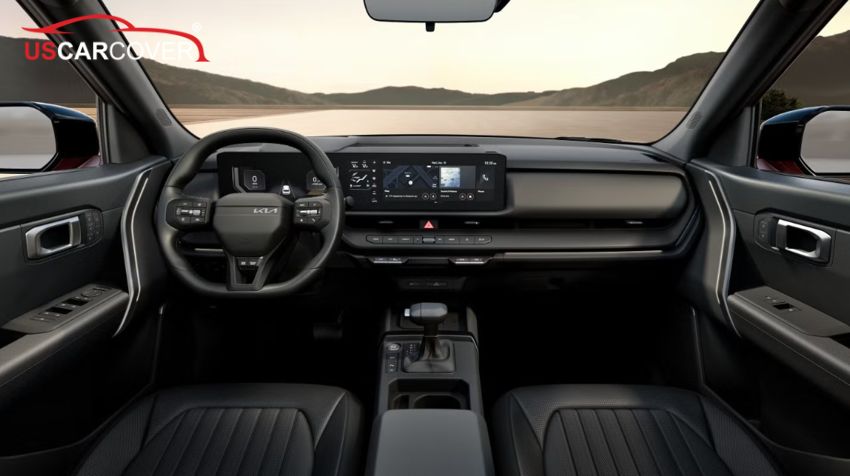
Within that context:
- Honda HR-V is a strong rival with modern design and strong reliability. However, the gasoline HR-V typically offers around 158 horsepower, while the 2027 Kia Seltos 1.6T is stronger at 190 horsepower. HR-V offers AWD availability broadly, and Seltos is also expected to offer AWD, often tied to higher trims. The 2027 Kia Seltos interior and tech package can look more advanced (larger screens, head-up display, voice assistant, more premium options), while HR-V’s strength is long-term dependability.
- Toyota Corolla Cross emphasizes durability and efficiency, especially in hybrid form. Compared with Corolla Cross, 2027 Kia Seltos can stand out with bolder styling and a more tech-forward cabin. Corolla Cross keeps things more traditional and straightforward, while Seltos leans into features and design.
- Hyundai Kona is a close sibling competitor with fresh styling and similar pricing. 2027 Kia Seltos can feel roomier and more family-friendly due to its larger dimensions and usable cargo area. Compared with Kia Soul, which often starts at a lower price and offers a distinctive shape, Seltos provides a more SUV-like stance, stronger available performance, and a more upmarket interior direction, especially in turbo trims.

- Subaru Crosstrek is known for standard AWD and light off-road capability. 2027 Kia Seltos can compete well with its own AWD availability, a similarly practical ride height, and a newer tech-forward cabin feel. Crosstrek’s strength is its brand reputation and outdoorsy identity, while Seltos can appeal with more modern infotainment and premium features.
- Volkswagen Taos offers a more European flavor and a cleaner interior design approach. 2027 Kia Seltos can win buyers who want a more eye-catching exterior and a richer feature list. Taos can have strong rear-seat space, but Seltos is also expected to be roomy enough and more playful in terms of features and technology.
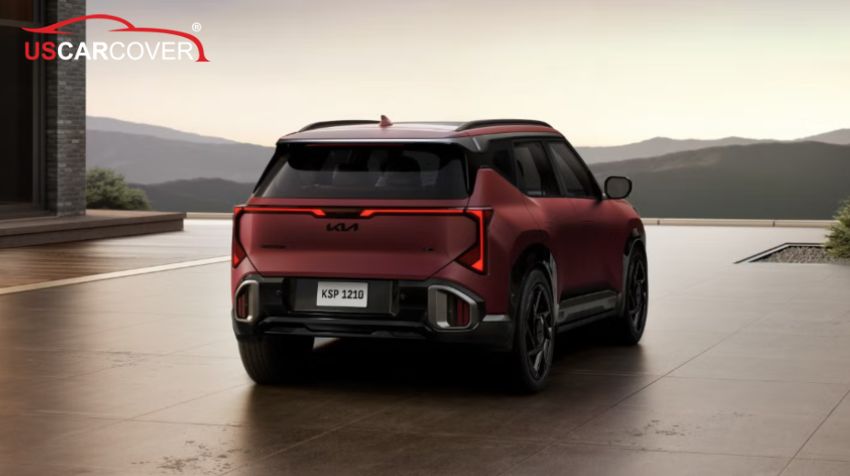
Overall, 2027 Kia Seltos looks highly competitive because it combines standout styling, a more premium-feeling cabin, strong technology, and a genuinely quick turbo option. Many rivals in this class struggle to match the Seltos feature set at similar prices. If Kia prices the right trim aggressively, Seltos can be one of the most compelling choices in the segment.
Related Articles: 2026 Toyota Prado Review: Is It Worth Upgrading from the Previous Prado?
How to Keep 2027 Kia Seltos Looking Like New
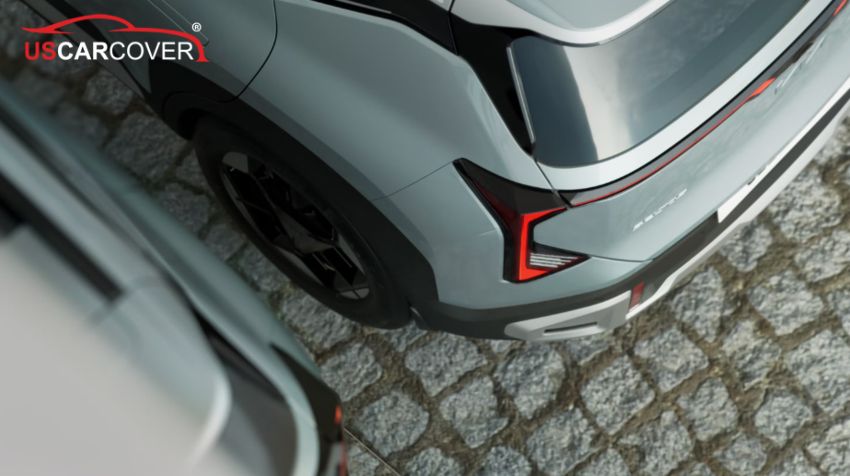
To keep your 2027 Kia Seltos in top condition, using a high-quality car cover can be extremely helpful. US Car Cover offers vehicle-specific covers designed for Kia Seltos, helping protect the paint, interior, and exterior surfaces from common damage sources and helping preserve long-term value.
These covers use premium materials that are water-resistant, UV-resistant, and durable. With a properly fitted cover, your vehicle can stay closer to showroom condition even when parked outdoors. US Car Cover typically offers different options for different use cases: outdoor covers built with multi-layer protection for rain, wind, and snow exposure, and indoor covers that use softer inner layers to reduce the risk of light scuffs.
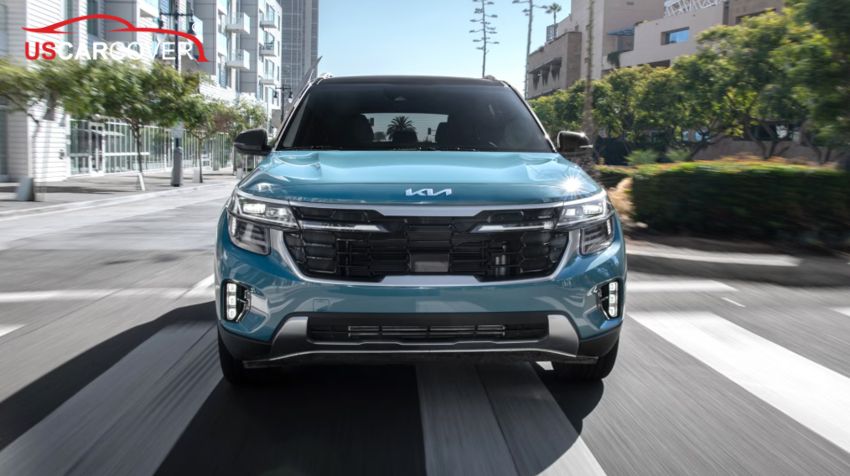
Custom-fit construction is important. A cover shaped to the Seltos body will stay in place better in wind and reduce flapping. Many covers include secure straps and reinforced mounting points that help keep the cover tight and stable, and they can support cable-lock use for extra security. Good covers are also designed to be breathable, helping moisture escape while keeping dust out. A soft interior lining helps reduce the chance of micro-scratches on the paint surface. With the right cover, even if you park under hot sun, heavy rain, or near trees that drop leaves and sap, your Seltos is far better protected. UV-blocking layers also help reduce interior fading and heat damage over time.
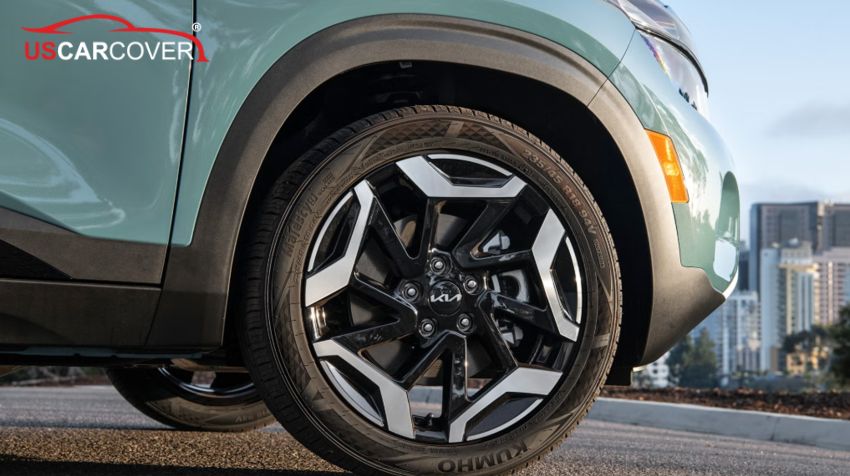
In short, investing in a properly matched cover from US Car Cover can be a practical, effective way to protect 2027 Kia Seltos from weather and everyday exposure, helping it stay clean, look newer longer, and hold value better.
Related Articles: 2026 Jeep Wrangler Review: Should You Buy the New Wrangler 2026 or Hunt for a Built Used One?
My Conclusion
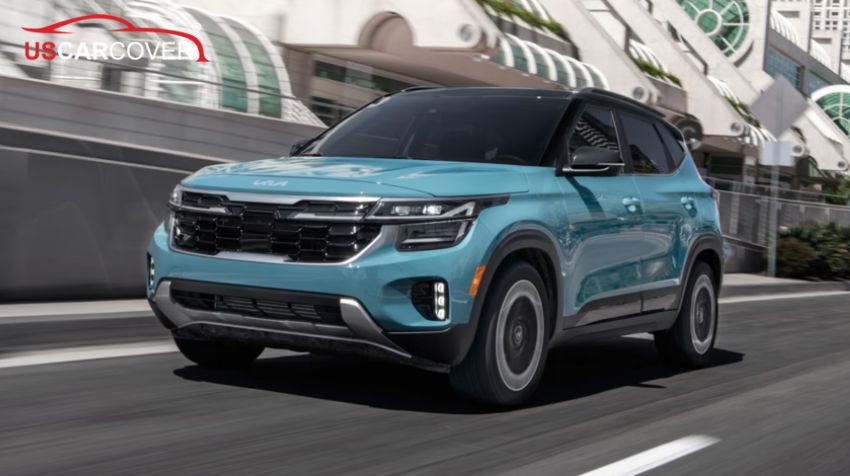
2027 Kia Seltos represents a major step forward in the subcompact SUV segment with fresh styling, a more premium interior, and a strong technology package. When choosing a configuration, the key decision is between the 2.0L base engine and the 1.6L turbo. The 2.0L is best for buyers focused on affordability and everyday city driving, while the 1.6T offers better performance and a more complete ownership experience, especially when paired with AWD. For many Americans, the 1.6L turbo AWD version is likely the best overall value for highway driving and tougher conditions.
Compared with rivals like Honda HR-V, Toyota Corolla Cross, and Hyundai Kona, 2027 Kia Seltos holds a clear advantage in features and cabin tech. No matter which trim you choose, protecting your vehicle with a quality cover from US Car Cover can help keep it looking newer for longer and preserve value over time.