
2026 Mazda RX9 is an all-new two-door sports car expected to mark Mazda’s return to the legendary rotary engine. Since the RX-8 ended production in 2012, enthusiasts have been waiting for a true successor in the RX family. Rumors around 2026 Mazda RX9 have grown louder, especially after Mazda continued to hint at rotary-related patents and introduced a rotary-powered sports concept in Japan in late 2023. So, is rotary, once a signature Mazda engineering icon, really coming back on the RX9, and is this car truly worth waiting for? This 2026 Mazda RX9 Review breaks down design, technology, rotary power, performance, driving feel, and a light comparison with key rivals before answering the big question: should you wait for it?
Related Articles: 2026 Chevy Silverado 1500 Review: Compared with Ford F-150 and Ram 1500, Where Does Silverado Stand?
Exterior Design With a Strong Sports Car Identity
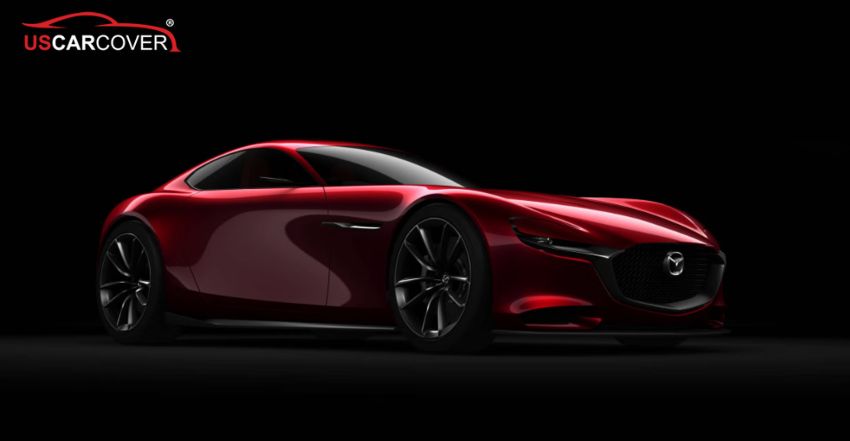
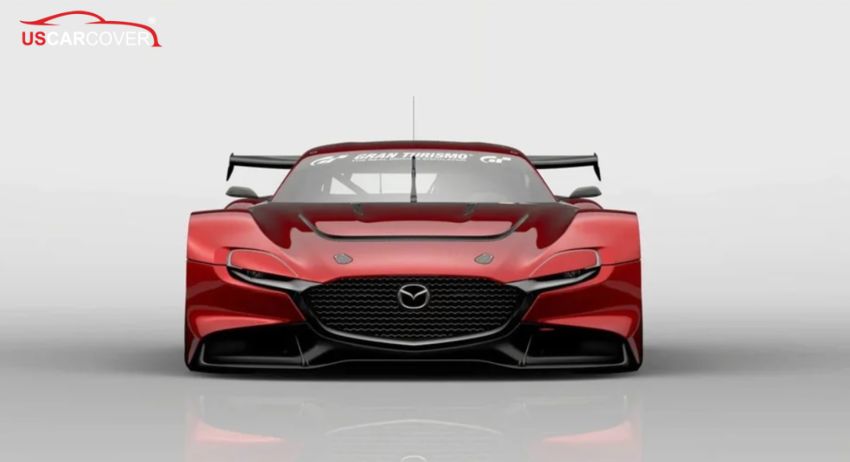
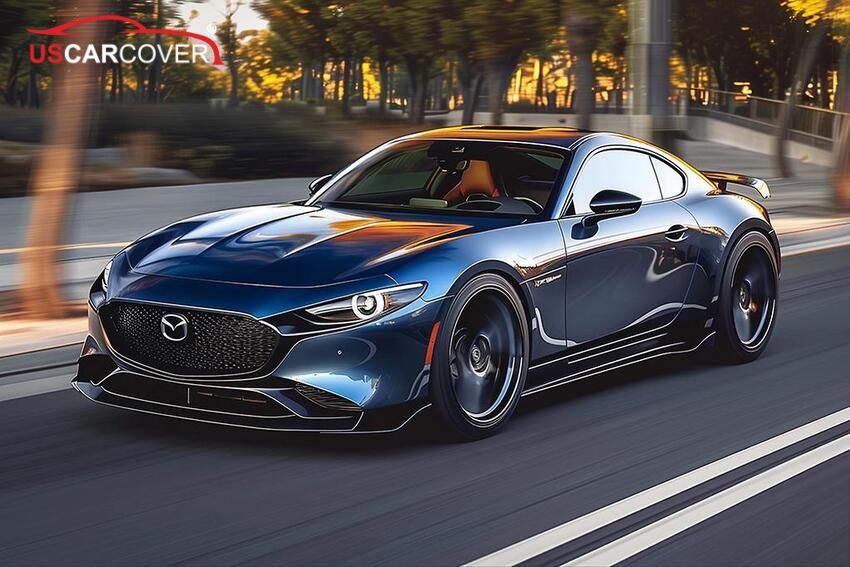
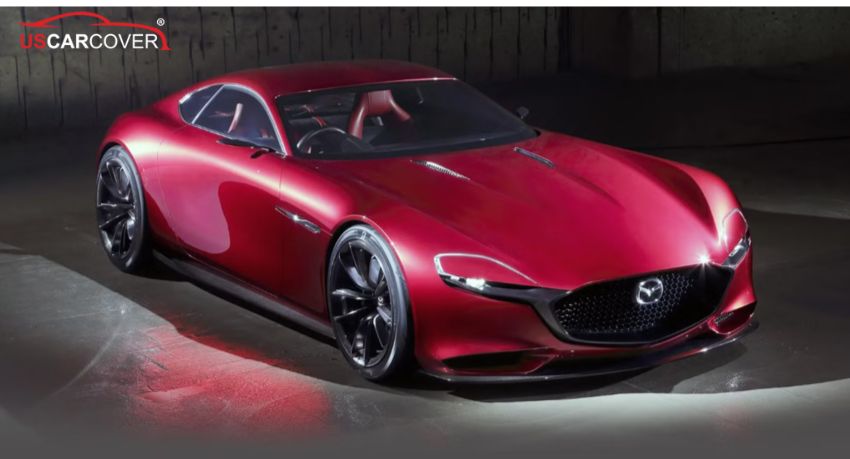
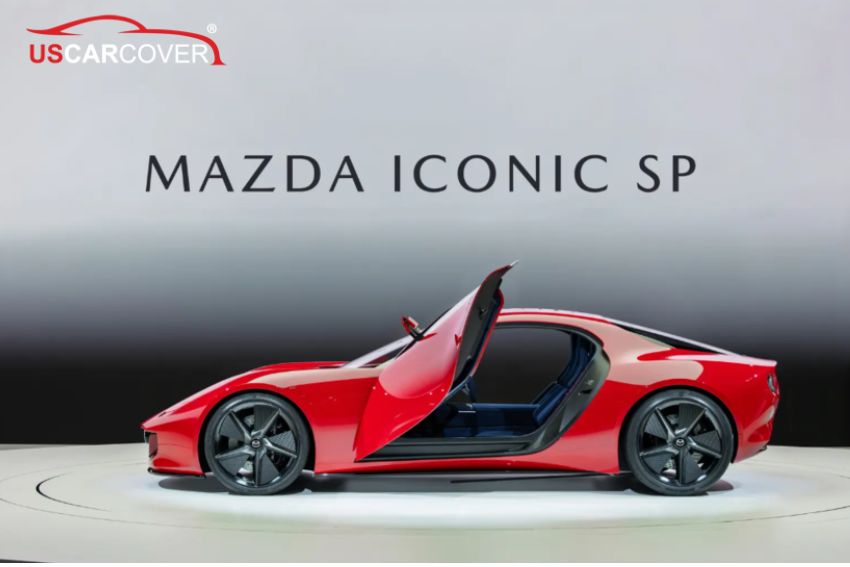
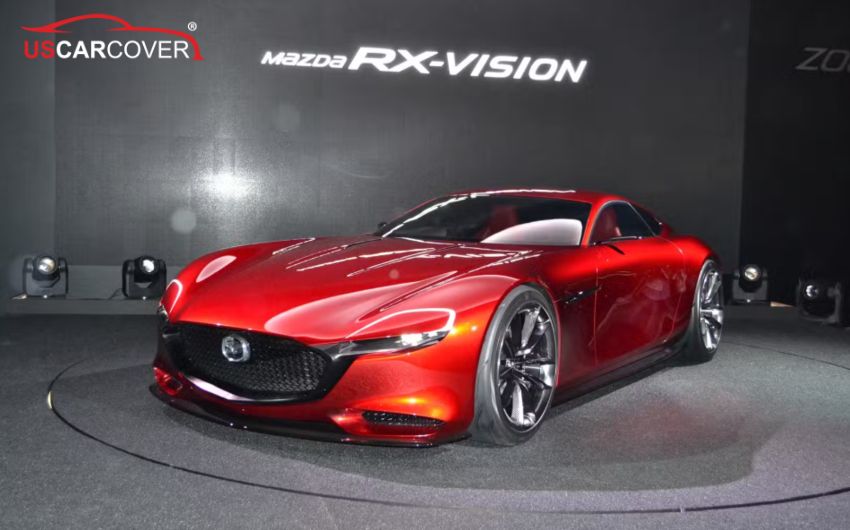
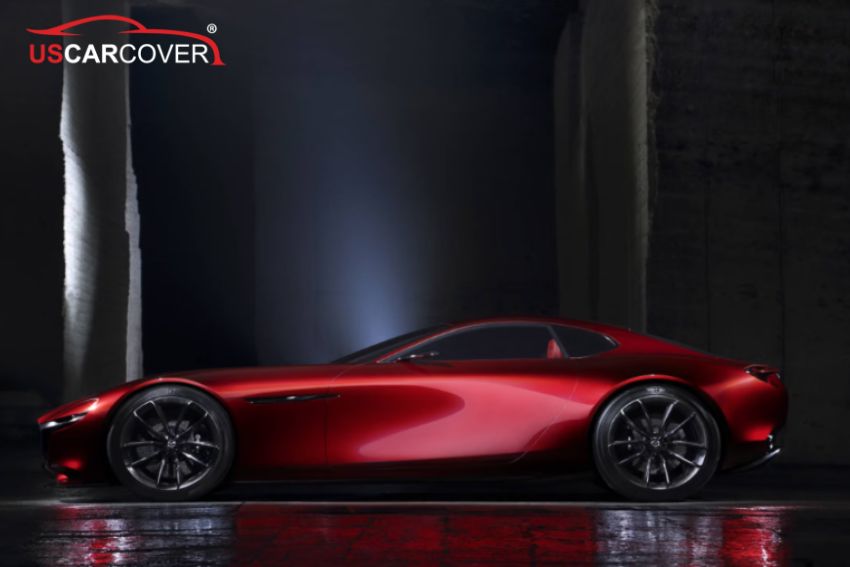
Based on the expected design direction for 2026 Mazda RX9, the RX heritage looks set to return in a modern form. The car is projected to follow a low, wide two-door coupe profile with a long hood and a roofline that tapers toward the rear, echoing the classic proportions that made the RX-7 FD so iconic. Mazda’s Kodo design language will likely continue on 2026 Mazda RX9, expressed through smooth but decisive surfaces that create a sense of motion even when the car is standing still. The Mazda Iconic SP concept introduced in Japan in late 2023, often viewed as a styling preview for the RX9, drew attention with pop-up style hidden headlights as a nostalgic nod to earlier RX models. If 2026 Mazda RX9 reaches production, Mazda may refine certain details to meet modern safety regulations, but the overall look is expected to remain striking and clearly performance-focused.
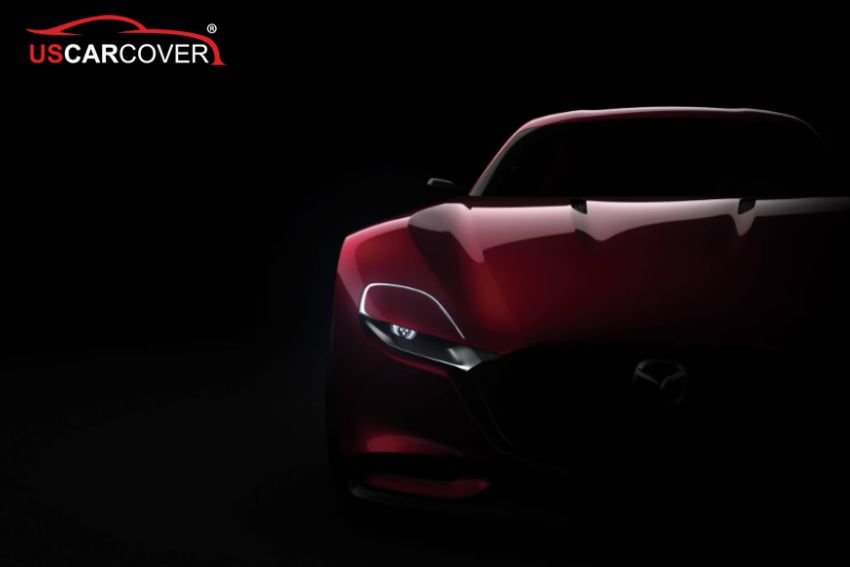
In terms of size, 2026 Mazda RX9 is widely expected to be larger than the Mazda MX-5 Miata to position it higher in the lineup. Reports suggest the Iconic SP concept measures about 4,180 mm long, roughly 10 inches longer than an MX-5, while also being about 3 inches lower, creating a longer, lower stance. This helps 2026 Mazda RX9 achieve a very sporty layout: a long, low front end with the cabin pushed rearward in a front-mid-engine style. That layout supports an ideal 50:50 weight balance. Combined with the use of lightweight materials such as aluminum and carbon fiber for the chassis and body, Mazda is aiming for a relatively low curb weight (under roughly 1,450 kg) and high rigidity. All of that sets up the foundation for agile handling and strong high-speed stability.
Related Articles: 2026 Nissan X-Trail Review: Does it Live Up to Its Reputation as a Versatile SUV?
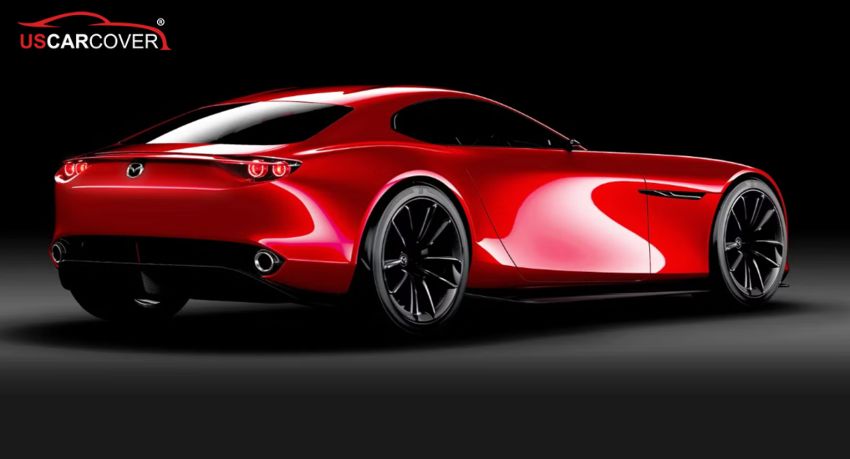
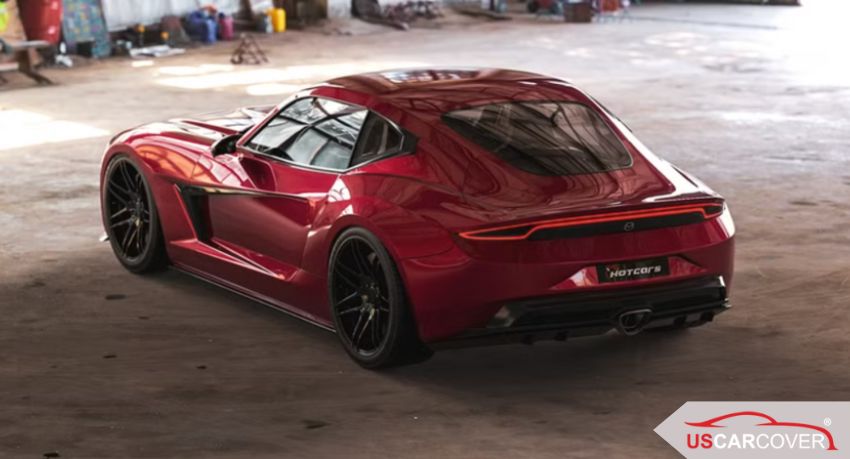
The rear of 2026 Mazda RX9 is also expected to blend modern and traditional cues. A slim LED taillight signature that stretches across the tail is likely, consistent with current Mazda styling trends. A rear spoiler could be integrated into the trunk for a clean look, or it may be an active design that adjusts to add downforce at speed. Overall, the exterior of 2026 Mazda RX9 is expected to deliver an almost supercar-like presence: sharp and modern, yet with subtle retro touches that respect the RX legacy. That combination should help RX9 stand out in its segment and satisfy long-time rotary fans.
Thinking about the RX9? A car built for driving deserves a cover built for protecting it when you're not.
→ Browse Mazda Car CoversInterior and Convenience Technology
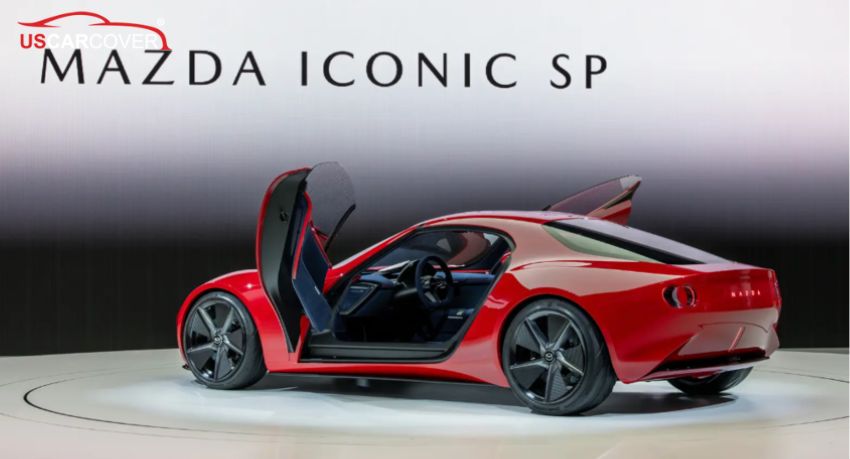
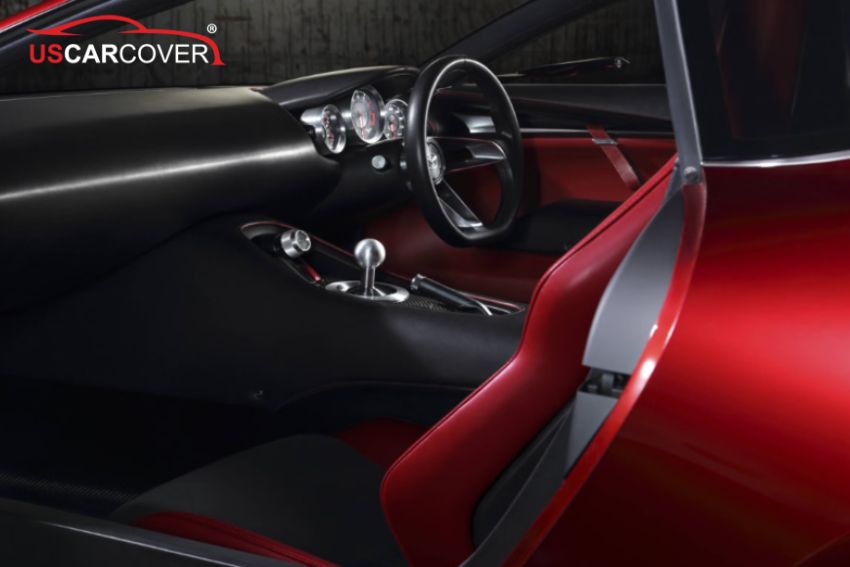
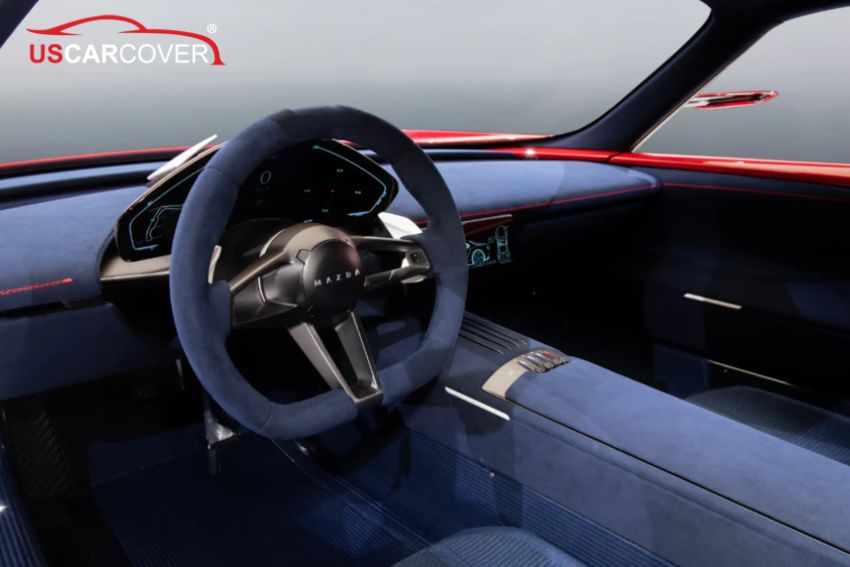
Inside, 2026 Mazda RX9 is expected to focus heavily on the driver experience, likely using a sporty two-seat cockpit layout. The Iconic SP concept showed a minimalist interior philosophy: a clean dashboard with very few physical buttons, only a handful of small displays and essential controls, wrapped in premium suede-like materials. For a production 2026 Mazda RX9, Mazda may add more real-world usability and premium feel, using leather, carbon fiber, and brushed metal finishes, along with modern conveniences expected in a next-generation sports coupe.
On the tech side, 2026 Mazda RX9 will likely feature the newest Mazda Connect infotainment system with wireless Apple CarPlay and wireless Android Auto support. The center display could be a floating-style screen around 8 to 10 inches, paired with a fully digital gauge cluster behind the steering wheel for clear driving information. Since Mazda emphasizes driving feel, the RX9 driving position should be optimized with supportive sport seats, a flat-bottom steering wheel wrapped in leather or Alcantara, and well-placed pedals and shifter (if a manual version exists) for precise control. Even as a high-performance coupe, 2026 Mazda RX9 may include core driver assistance features for safety, such as blind-spot monitoring, automatic emergency braking, and adaptive cruise control, aligning with modern sports car expectations.
Related Articles: 2026 Toyota Fortuner Review: Does the Fortuner Still Have Enough Strength to Compete in Its Segment?
Because RX9 would represent Mazda’s technology flagship, it may also bring top-tier features like a premium Bose or JBL sound system tuned for the compact cabin, dual-zone climate control, and possibly a head-up display to keep the driver’s eyes on the road. Still, Mazda’s “less is more” approach means the RX9 cabin will likely avoid unnecessary complexity. Instead, the layout should prioritize driving engagement. Overall, 2026 Mazda RX9 is expected to offer an interior that combines pure sports car focus with modern refinement, competitive with rivals like Toyota Supra and Nissan Z in both usability and tech.
Related Articles: 2026 Mustang GT 350 Review: Which One Is Worth Buying, Which Options Are Worth the Money?
Rotary Engine and Performance: The Legend Returns
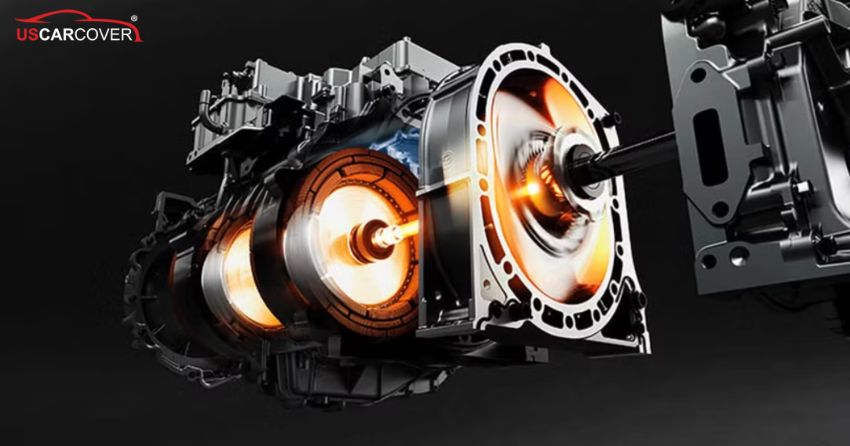
The heart of 2026 Mazda RX9, and the most anticipated part, is the next-generation rotary engine. Mazda has spent years researching how to bring rotary back, since past rotary engines faced major challenges with fuel economy and emissions. Based on leaked information, RX9 is very likely to use a modernized rotary system combined with hybrid technology to meet today’s emissions standards. Mazda patents have shown a bold hybrid three-rotor layout, where a three-rotor rotary engine pairs with one or more electric motors. This would be a first for a Mazda production vehicle. Historically, Mazda’s most famous rotary cars used two-rotor designs, while three-rotor production was extremely rare.
In terms of output, 2026 Mazda RX9 in its strongest form could be expected around 370 to 400 horsepower. The Iconic SP concept stated a total system output around 365 hp, achieved through a rotary EV hybrid setup. In that concept, the rotary engine functions as a generator to produce electricity for the battery and electric motor, rather than mechanically driving the wheels. This approach leverages rotary’s strengths, strong power for its small size and high-rev capability, while electric drive provides instant torque at the wheels. Mazda also stated that the concept made about 365 hp and weighed around 1,450 kg, a promising power-to-weight combination. Mazda also suggested the rotary system could support alternative fuels like biofuels and hydrogen.
Related Articles: 2026 Toyota Prado Review: Is It Worth Upgrading from the Previous Prado?
If Mazda decides to offer a truly rotary-only version where the rotary engine drives the rear wheels directly, similar to classic RX-7 and RX-8 behavior, 2026 Mazda RX9 could use a turbocharged two-rotor rotary with a displacement equivalent in the 1.6L range. Some online rumors suggest this setup could approach around 400 horsepower if tuned aggressively. Paired with a six-speed manual and rear-wheel drive, this would be the most appealing configuration for purists. It is also possible Mazda could offer two RX9 directions: a high-output rotary hybrid with potential AWD support through an electric front motor, paired with an automatic transmission, and a lighter, rear-wheel-drive rotary-only version with a manual transmission. This would mirror how Toyota Supra offers both automatic and manual, and how Nissan Z splits versions and performance packages. Either way, Mazda appears committed to bringing rotary back in its most optimized form, combining high-rev character with electrification to improve efficiency and emissions.
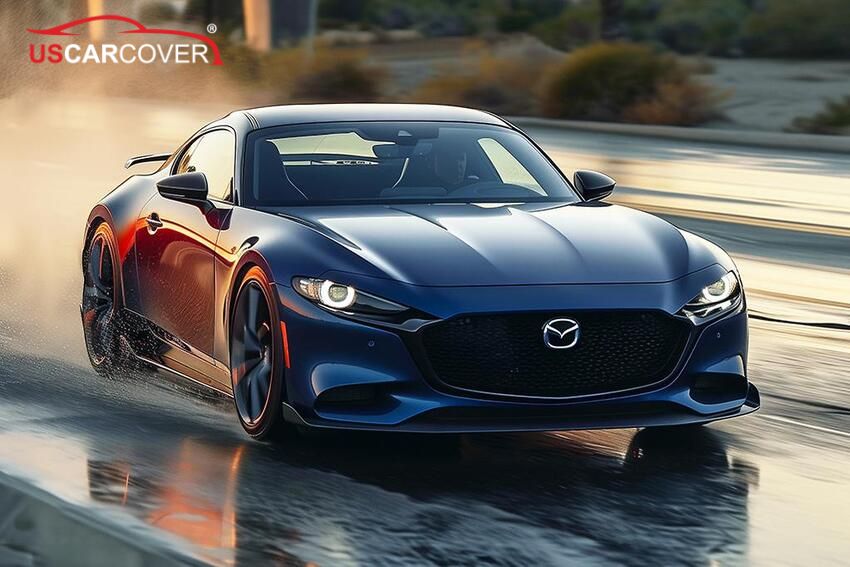
For acceleration, with roughly 370 to 400 horsepower and a curb weight under 1.5 tons, 2026 Mazda RX9 could realistically target 0 to 100 km/h in about 4 seconds, or better. Rear-wheel drive is expected to be the primary layout, but if the hybrid system supports AWD, RX9 could gain traction advantages and potentially dip into the mid 3-second range, approaching supercar territory. Top speed could be over 280 km/h if not electronically limited. The signature appeal will be rotary sound and feel. Rotary engines are famous for their unique high-rev “scream,” often spinning smoothly to 8,000 to 9,000 rpm. They also run with minimal vibration compared with piston engines, since they avoid traditional reciprocating motion. That smooth, high-rev surge could give 2026 Mazda RX9 a driving character that is hard to replicate with turbo piston engines.
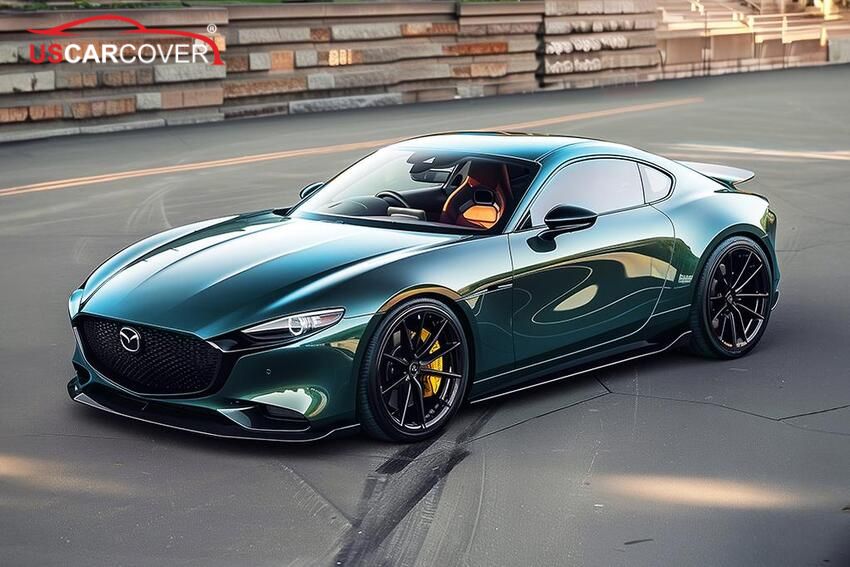
Still, there are real question marks about durability and fuel consumption. Mazda is expected to improve rotor seal materials and design to boost longevity and reduce oil consumption, a historic rotary weakness. A hybrid system could also reduce stress by letting electric torque handle low-speed load, improving both efficiency and engine life. Mazda engineers have suggested goals of fuel consumption similar to conventional gasoline engines while meeting modern emissions requirements. If Mazda succeeds, 2026 Mazda RX9 could deliver not only unique performance, but also better real-world practicality than past RX generations.
Related Articles: 2026 Jeep Wrangler Review: Should You Buy the New Wrangler 2026 or Hunt for a Built Used One?
2026 Mazda RX9 and Its Rivals: Toyota Supra, Nissan Z
In the two-door sports car market under about $70,000, the return of 2026 Mazda RX9 would heat up the competition with established names such as Toyota Supra and Nissan Z. Each offers distinct strengths, and comparing them helps clarify what RX9 needs to stand out.
On engine output, the current Toyota Supra 3.0 uses a turbocharged 3.0L inline-six at about 382 horsepower for the U.S. market. The modern Nissan Z uses a twin-turbo 3.0L V6 rated at 400 horsepower and 475 Nm, slightly stronger on paper than Supra. 2026 Mazda RX9 is expected around 370 to 400 horsepower, which places it right in the mix, potentially a bit above Supra and close to Nissan Z. The key difference is that RX9 achieves this through a rotary and hybrid approach, which should deliver very quick throttle response with less turbo lag. If Mazda releases a higher-performance variant such as an RX9 R or Spirit R with output beyond 450 horsepower, RX9 could leap above the two Japanese rivals in raw power. But even at around 400 horsepower, if RX9 stays lighter thanks to a lightweight structure, its power-to-weight ratio could be excellent, helping real-world acceleration.
On driving feel, Toyota Supra shares a platform with BMW Z4, so it balances performance and comfort with a refined, modern character. Its turbo inline-six delivers strong torque early, making it easy to drive daily, and newer versions have added a six-speed manual option. Nissan Z leans into nostalgia, with strong twin-turbo V6 power and an available manual transmission, delivering a more analog feel. In contrast, 2026 Mazda RX9 could deliver a uniquely responsive experience due to its rotary hybrid system. RX9’s main strength may be chassis agility and quick reactions, reflecting Mazda’s MX-5 tuning DNA, plus instant electric torque. Mazda steering is often praised for natural feedback, so RX9 may feel more connected than Supra. Versus Nissan Z, RX9 may feel more modern and composed if Mazda designs a fresh platform rather than relying heavily on older architecture. Still, RX9 carries uncertainty. Supra and Z are already proven, easier to service, and more straightforward to live with. RX9, as a rotary-based car, could require more careful ownership, similar to earlier RX generations.
Related Articles: 2026 Mitsubishi Pajero Sport Review: What Is Worth Paying For in the Exterior, Interior, and Engine?
On design and technology, both Supra and Z mix modern and retro styling. Supra tends to look more European and muscular, while Z draws clear inspiration from classic 240Z cues. 2026 Mazda RX9 is expected to look more futuristic and unique, which could appeal to buyers who want something that does not blend in. On the inside, Supra benefits from BMW-developed refinement and premium features. Nissan Z’s cabin feels more retro, with adequate technology but only decent material quality. RX9 may land in the middle: not as luxury-focused as Supra, but carefully crafted with good materials and a driver-centered design. Technology and safety features will need to be competitive as well, since Supra and Z already offer modern safety and convenience tools. One possible RX9 advantage is fuel economy if the hybrid system is used, potentially better than the purely gasoline powertrains in Supra and Z. A downside could be higher price. Supra and Z generally start lower in the U.S. market, while RX9’s specialized rotary hybrid technology could push starting prices above $60,000. That means RX9 may target a narrower audience and could even become a limited-production collector-focused model rather than a widely available sports coupe.
Overall, 2026 Mazda RX9 has the potential to redefine what a Japanese sports coupe can be: a unique rotary hybrid drivetrain, striking design, and a highly engaging driving feel. If Mazda executes it well, RX9 could stand above Supra and Z in uniqueness and overall performance character. If not, it will still be an exciting, rare addition to the modern JDM sports car world. For buyers, the choice between waiting and buying now comes down to priorities: Supra and Z are available, proven, and easier to own. RX9 is a compelling unknown, full of promise but also full of uncertainty.
Related Articles: 2026 Toyota GR GT Review: Is It Worth Upgrading From Previous GR Models?
2026 Mazda RX9: Is It Worth Waiting For?
After all the analysis, the real question remains: should you wait for 2026 Mazda RX9 and the return of rotary? The answer depends on your passion and your expectations. If you are a true rotary fan who values uniqueness, heritage, and that classic RX identity, 2026 Mazda RX9 could absolutely be worth waiting for. It may become one of the only production cars in the modern era to use a rotary system, a technical statement that only Mazda would attempt. RX9 could deliver a fresh driving experience that blends old-school engagement with modern electrification. For collectors and enthusiasts, RX9 may also carry strong emotional and historical value, like a true successor to the legendary RX-7, something that even a very good Toyota Supra or Nissan Z cannot replace in terms of symbolism.
However, if you need a sports car soon and you prioritize practicality, you may not want to put all your hopes on RX9 yet. As of late 2025, Mazda has not officially confirmed mass production of RX9. While there are many signals that the project is active, including patents, leadership hints, and the Iconic SP concept, delays or even cancellation are still possible. Building a high-performance rotary car in an era dominated by electrification is a major financial and technical challenge, and Mazda will carefully weigh profitability. Some observers believe Mazda could keep rotary as a concept showcase rather than a volume production program if demand is uncertain. Even if RX9 arrives in 2026, production could be limited and pricing could rise due to the specialized engineering. In contrast, Toyota Supra and Nissan Z are available and proven, with easier servicing and more accessible pricing.
Related Articles: 2026 Suzuki Jimny Review: Why this SUV is still in demand
So the decision depends on how strongly you want a rotary Mazda. If you truly love the rotary sound and character and you accept the risks of waiting, including time and potential cost, then waiting for 2026 Mazda RX9 can make sense. It may deliver a uniquely satisfying mix of emotion and performance that matches RX heritage. But if you want a sports coupe right now, Supra and Z remain safer, ready-to-buy choices, and there are many other options on the market as well. Either way, if RX9 does arrive, it will expand the sports car landscape and bring excitement back to rotary discussions in the electrified era.
In summary, 2026 Mazda RX9 is one of the most exciting upcoming sports cars because it represents the return of Mazda’s legendary rotary engine, combined with modern hybrid technology. RX9 offers strong potential advantages in exterior design, driver-focused interior philosophy, and especially a distinctive powertrain that promises high performance and a truly different driving experience. The car aims to preserve Mazda’s reputation for thoughtful engineering and craftsmanship while pushing boundaries with an advanced rotary hybrid concept. If you want a two-door sports coupe that feels smooth, balanced, and technologically distinctive, 2026 Mazda RX9 is a strong candidate worth waiting for. But if you prioritize a proven, familiar choice available today, rivals like Toyota Supra and Nissan Z remain solid Japanese sports car options with traditional piston engines. Regardless of what you choose, if 2026 Mazda RX9 arrives as expected, it will satisfy many enthusiasts and could open a new chapter for rotary power in an electrified era. Finally, do not forget to use a suitable car cover and protection accessories to keep 2026 Mazda RX9 looking like new throughout ownership.
Protect Your Next Mazda From the legendary rotary to that stunning new body — a custom-fit cover keeps the paint perfect between drives.
→ Shop Mazda Car Covers→ Not sure your vehicle brand?
See All Car Covers by Vehicle
