
How to prevent your car cover from becoming the enemy of your paint? Imagine you just spent the entire weekend polishing your beloved Classic American Car. You carefully put a cover on it to protect it from dust and harsh sunlight. But a few weeks later, when you remove the cover, instead of a mirror-perfect paint surface, you are shocked to find tiny scratches and dull swirl marks visible under the sun. This is the silent pain and irony that thousands of car owners in the US face every year. Why can a product designed to protect actually cause damage? The answer lies in two factors: the quality of the cover and how you are using a car cover. The act of using a car cover is an art that requires an understanding of materials, handling techniques, and sensitivity to the climate where you live. In this in-depth article, we will dissect the causes of scratches and learn how to use US car cover products in the most professional way to protect your automotive heritage.
Related Articles: The Ultimate Protection for American Muscle: Best Covers for Mustang, Camaro, and Challenge
Why does a car cover scratch the car? Analysis of a silent pain
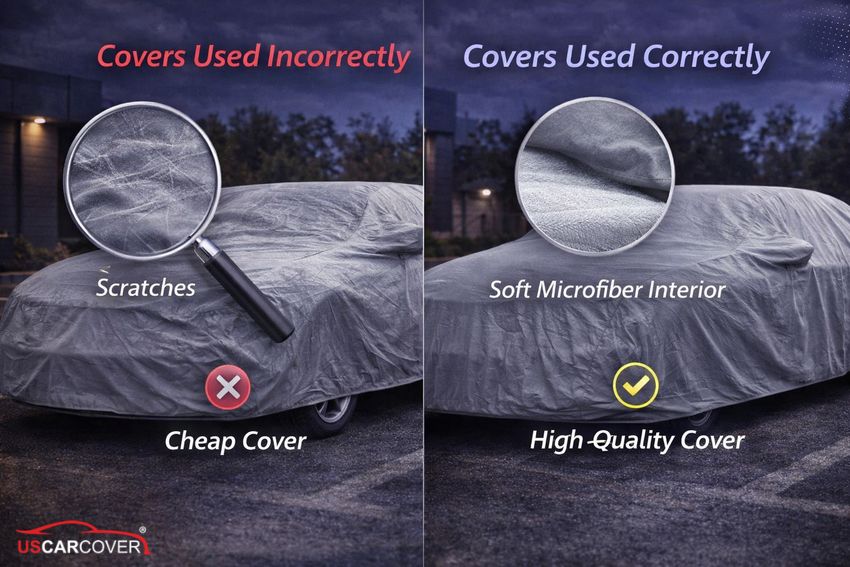
To find the solution to the question: How to prevent scratches when using a car cover?, we must first understand the mechanism of damage to the paint surface.
Dust: The invisible sandpaper
The biggest enemy is not the cover itself, but the dust. If you put a cover on a dusty car, the cover acts like a large piece of sandpaper. When the wind moves the cover or when you pull the cover during installation or removal, tiny dust particles (often hard silica particles) are pressed tightly and rubbed against the clear coat of the paint. The result is fine scratches appearing everywhere.
The Flapping phenomenon
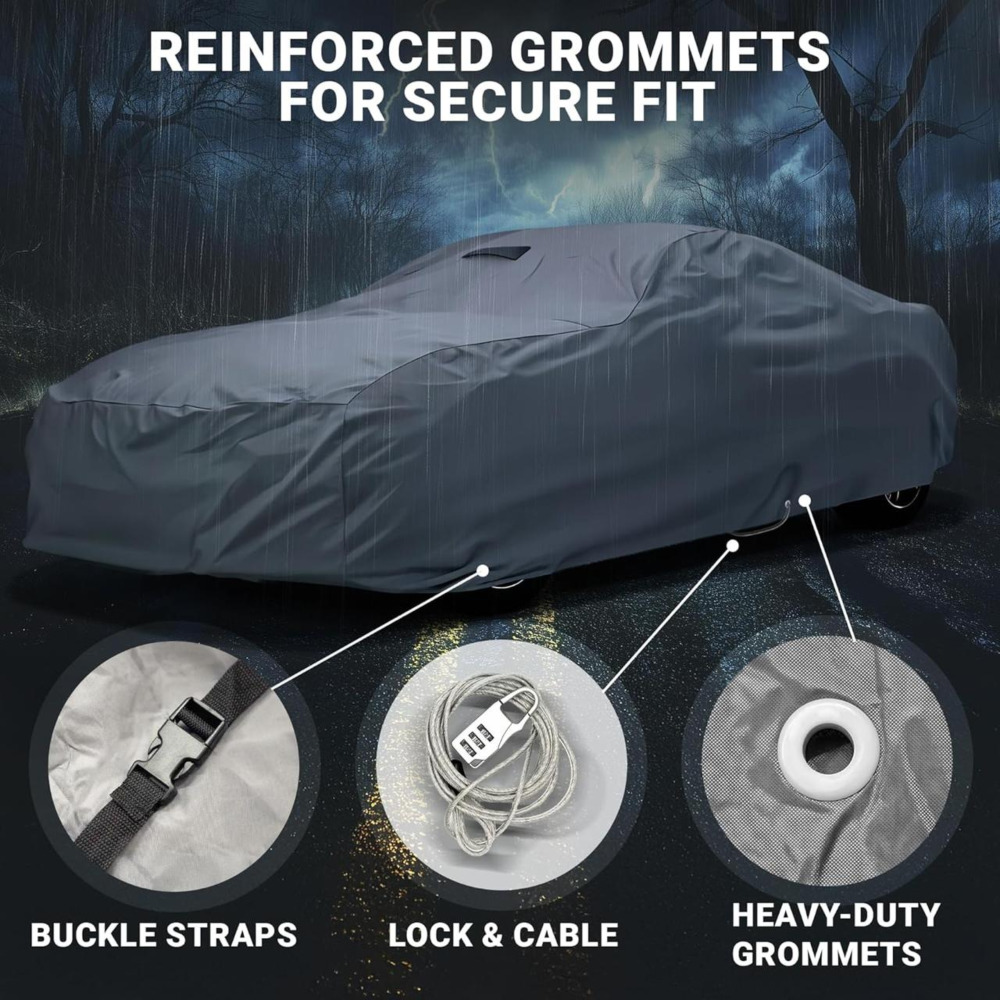
In areas with high winds, such as the Midwest states, if you use an ill-fitting universal cover, the wind will get under the fabric. The constant movement of coarse fabric against the edges of the car, such as the rearview mirrors, hood, or trunk, will wear down the paint after just one stormy night.
Low quality inner liners
Many cheap covers on the market use stiff nylon or coarse woven fabrics. They do not have a soft inner lining. After a few times of using a car cover, the sensitive paint surface of classic cars will lose its shine and become dull due to mechanical friction.
Related Articles: Why "Made in USA" Matters for Car Covers: Durability vs. Cheap Imports.
Indoor car covers usage guide: Pampering in a glass room
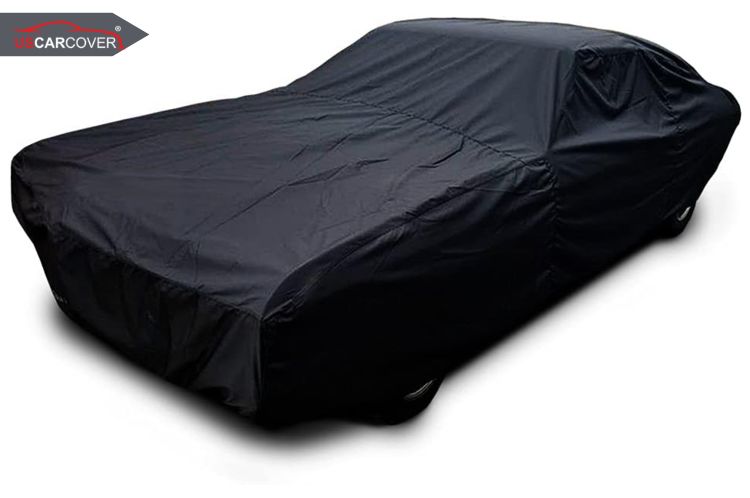
Even though the car is in a garage, the risk of scratching still exists from garage dust and accidental collisions. Indoor car covers are designed to be the smoothest second skin.
Special characteristics of high quality indoor car covers. The indoor cover line of US car cover uses ultra-soft Satin or Flannel fabric. The strongest point is the Micro-fleece lining. This is a synthetic fiber with micron-level fineness, ensuring it never causes scratches even on the most expensive custom paint jobs.
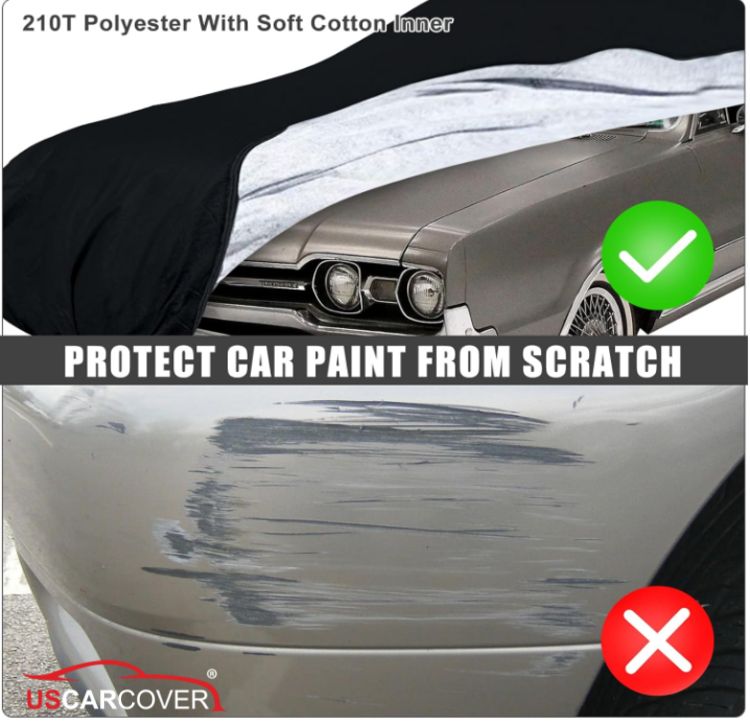
The Fold and Roll technique. To avoid scratches when using indoor covers:
- Clean the surface: Always use a high-quality feather duster or microfiber cloth to lightly wipe the fine dust off the car before covering.
- Rolling technique: Instead of pulling the cover along the car body, roll the cover from both ends to the middle and place it on the roof, then slowly roll it out toward the front and rear of the car. This technique minimizes sliding friction on the paint.
- Mirror pockets: Always put the mirror pockets on first to position the cover, preventing it from shifting too much while you are adjusting other corners.
Outdoor car covers usage guide: Armor against the elements
Using outdoor covers is a much more difficult challenge due to the interference of wind, rain, and temperature.
The power of a Custom-fit
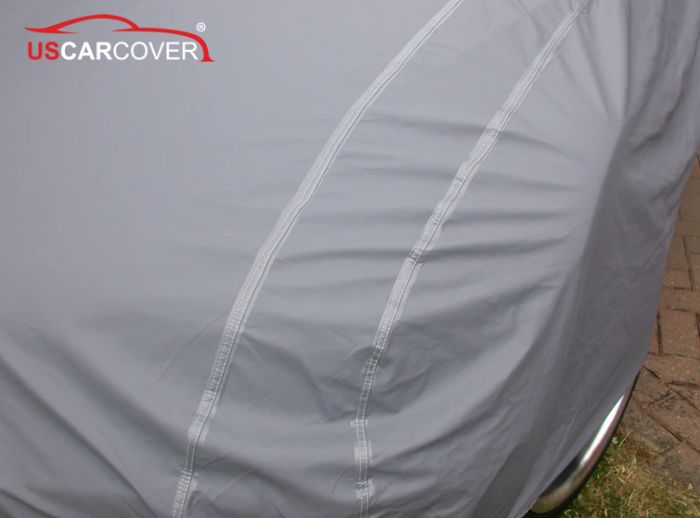
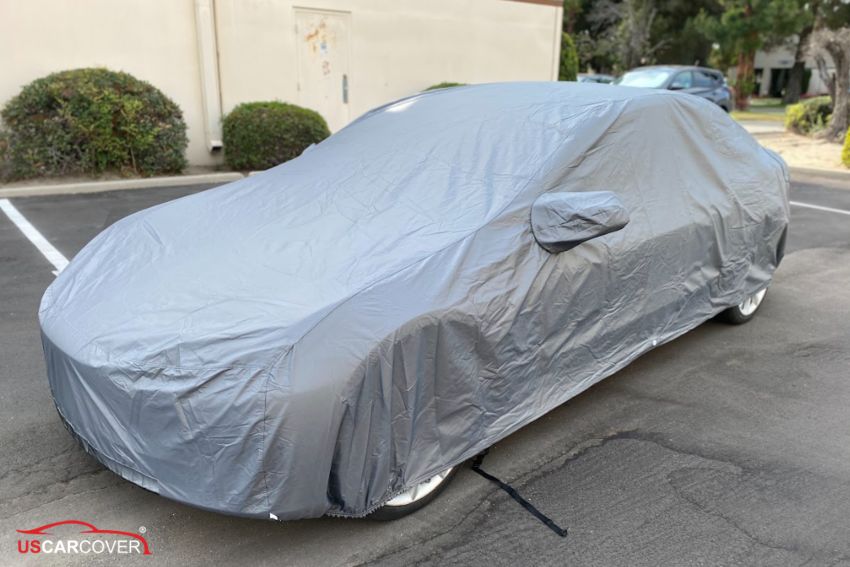
A standard outdoor cover from US car cover must have a custom-fit design. Why does this help prevent scratches? When the cover fits the car body snugly, the space for wind to enter is eliminated. The cover will stand still on the car instead of flapping, thereby eliminating mechanical friction.
Safe outdoor covering process
- Wash the car thoroughly: This is a non-negotiable step. Never put an outdoor cover on a dirty car.
- Use wind straps: Always fasten the straps under the chassis. Our covers are equipped with a secure clip-lock system, keeping the cover fixed even during heavy thunderstorms in Florida or Texas.
- Check for dryness: If the car has just come from the rain or has just been washed, let it dry completely. Putting a cover on a wet car creates condensation, which softens the paint and makes it more vulnerable to friction.
Related Articles: The Benefits of Supporting American Manufacturing: Quality Control & Fast Shipping
Guide to using a car cover according to US regional terrain and climate
The US is a vast continent with contrasting climates. How you are using a car cover in California will be completely different from New York
Sun Belt Region (Arizona, Nevada, Southern California)
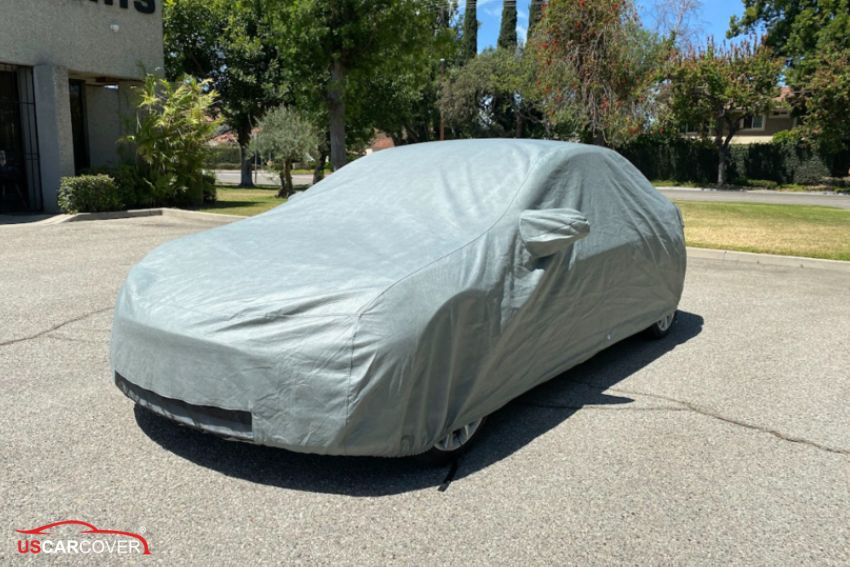
Issue: Desert dust and extreme UV rays
Instruction: Here, the dust is very fine and hard. You need to check the cover lining regularly. After about 2 to 3 weeks of use, shake out the cover lining because fine dust can penetrate the fabric. Use a cover with high UV protection to prevent temperature from heating up the cover, which can cause fibers to stick to the clear coat.
Snow Belt Region (Michigan, Chicago, Northeast)
Issue: Heavy snow, ice, and road salt.
Instruction: Road salt is a highly abrasive substance. If your cover gets salt on it, wash it as soon as possible. When covering under snow, ensure the cover has good tension so the snow slides off naturally, avoiding the weight of the snow pressing the cover onto the paint, which can cause deformation or scratches when the snow melts.
Coastal Region (Florida coast, California coast, Gulf Coast)
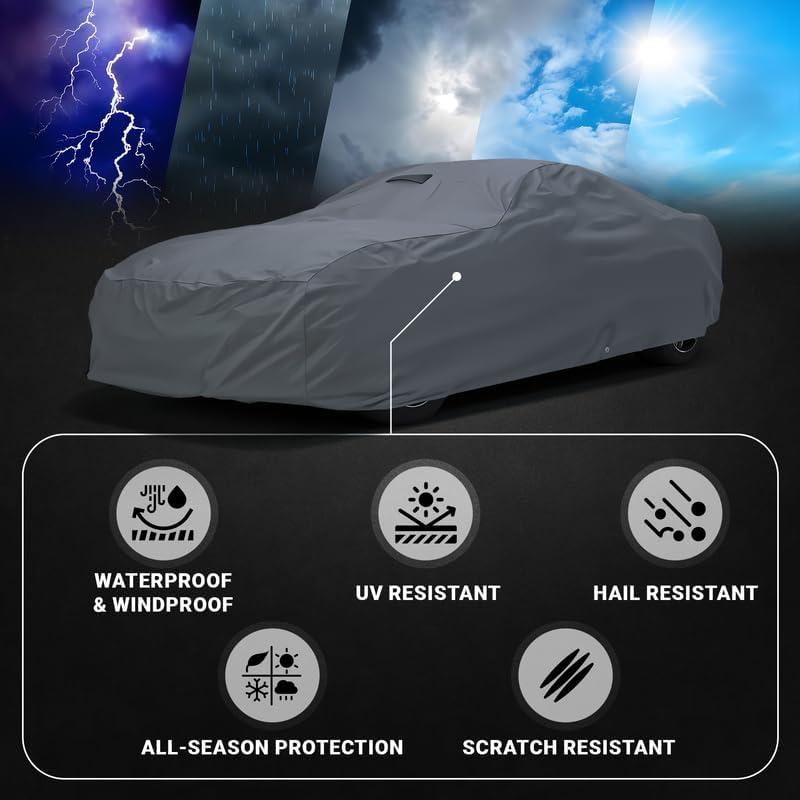
Issue: High humidity and corrosive sea salt air.
Instruction: The top priority is breathable fabric. Sea salt air trapped under the cover will create surface oxidation. You should remove the cover once a week on sunny days to let the car and the cover breathe, then put it back on.
Related Articles: Classic American Car Restoration: How Our Covers Preserve Automotive History
Golden steps to absolutely prevent scratches
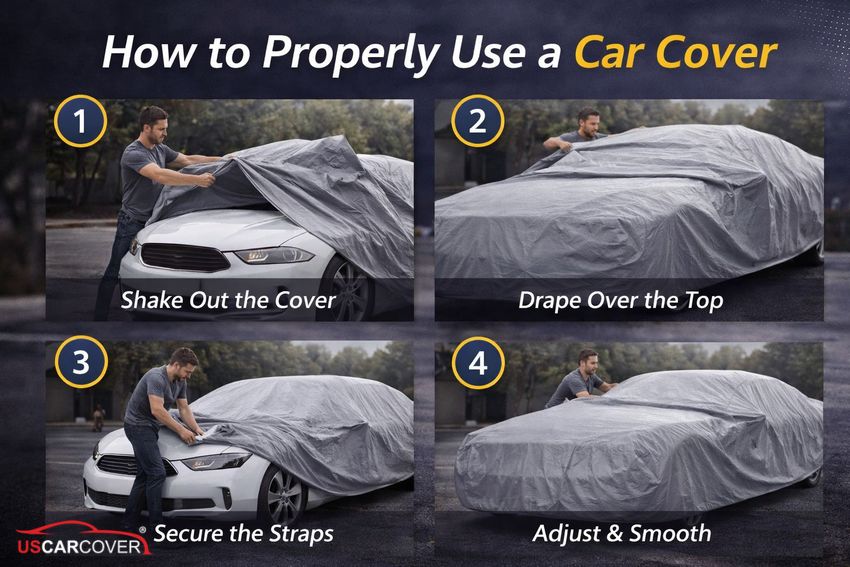
If you truly want to be a car preservation expert, follow this 5-step process every time you are using a car cover:
- Cleanliness is number one: A clean car is a necessary condition. A clean cover is a sufficient condition. Check the inside of the cover for small branches, gravel, or sand before placing it on the car.
- Protective polishing (Wax or Sealant): A layer of quality wax or ceramic coating will create a barrier between the paint and the cover. It reduces the coefficient of friction, helping the cover slide easily without leaving marks.
- Gentle handling: Never throw the cover on the car. Place it gently and unfold it slowly. When removing the cover, roll it up instead of dragging it.
- Secure firmly: Use elastic hems and straps. A loose cover is a dangerous cover.
- Use a cable lock: In addition to preventing theft, a cable lock helps the cover from shifting too much in the middle of the car under the impact of external forces
The Science of the Slide: Why material decides everything
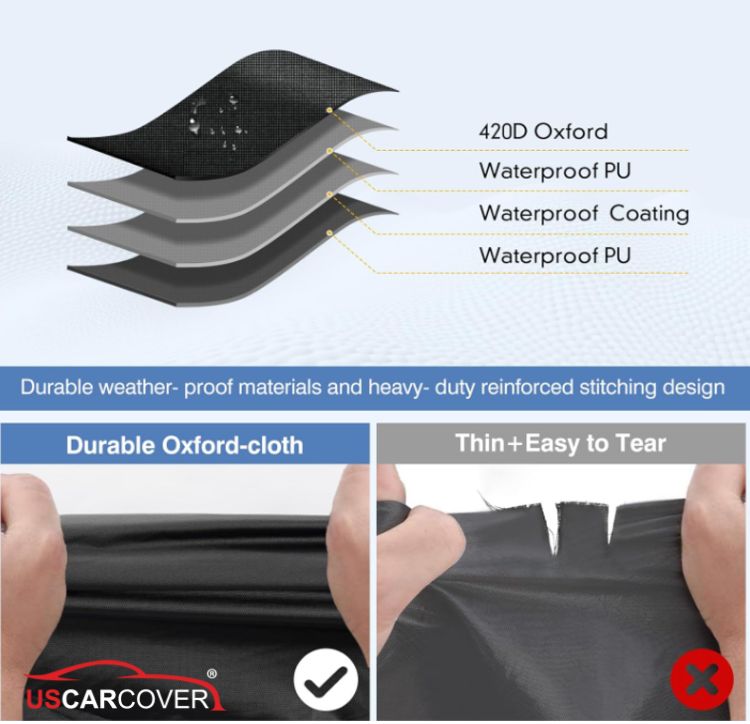
In the world of automotive restoration, people often talk about the coefficient of friction of the fabric. A cheap cover has a rough fabric surface that, under a microscope, looks like jagged mountains ready to scratch the paint. Conversely, the fabric lines of US car cover are treated with smooth weaving technology. The fibers are combed to lie flat, creating a super-flat surface. When you put on the cover, it slides over the paint instead of scratching. This is the secret that helps Classic American Car models worth hundreds of thousands of dollars keep their original paint after decades of being covered.
Where should you buy quality car covers? Choose USCarCover
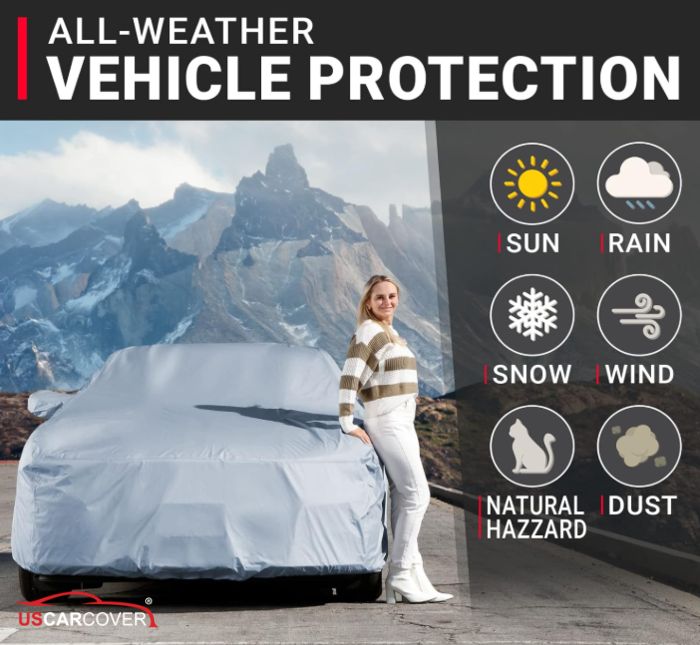
You can buy a cover anywhere, from supermarkets to cheap websites. But if you are looking for an insurance policy for your car paint, USCarCover is the only destination you need. Why is US car cover special?
Expert understanding of American cars: We have accurate design patterns for every car model, from giant pickups like the Ford F-150 and Chevy Silverado to compact muscle cars. This fit is the first barrier against scratches. Exclusive lining technology: Our soft inner lining is rigorously tested to ensure absolute safety for all paint types, including the most sensitive water-based paints.
Timeless durability: US car cover products do not become rotten or create fabric dust after a period of use: a problem that low-quality covers often suffer from, causing dirt and scratches. Made in the USA for Americans: We understand the storms in the Gulf, the heat in the desert, and the harshness of northern winters. Each product is a commitment to Made in USA quality. Expert support: When you shop at USCarCover, you don't just get a cover; you get technical advice on the best way to preserve your car.
The importance of a car cover for asset value
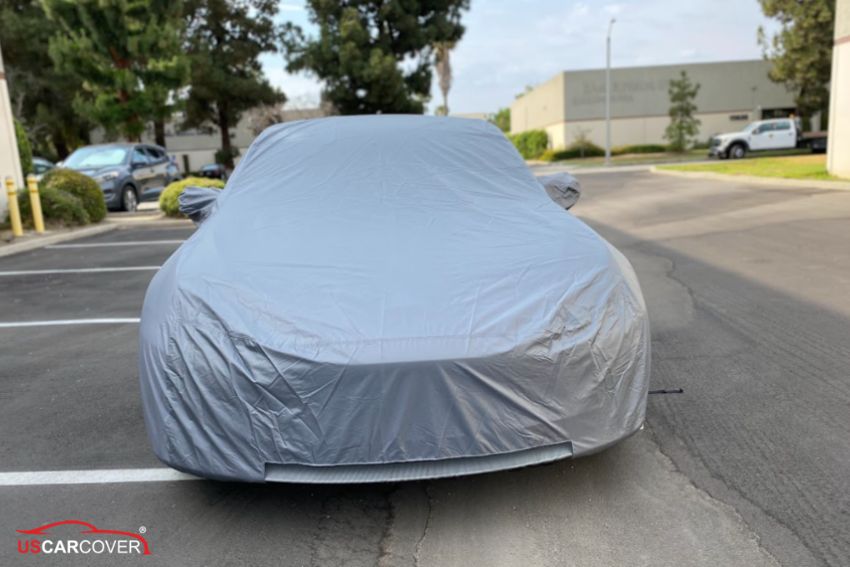
Do not think of the cover as an expense. Think of it as an investment to protect the car resale value. In the US market, a car with a consistent paint meter reading and no scratches will be worth thousands of dollars more. For collectors, the original paint is the soul of the car. Just one small mistake in choosing a cover can decrease the value of the car permanently because once it has been repainted, that car is never original again.
Deadly mistakes to avoid when using a cover
Covering the car right after driving: A hot exhaust and engine can melt the cover plastic or create scorch marks on the cover, while high heat causes strong steam evaporation, damaging the interior paint.
Using a dirty cover: Putting a mud-covered cover on a car is no different than using mud to wash your car.
Not using fixing straps: Many people subjectively just put the cover on without fastening the straps. Just one strong gust of wind is enough to turn the cover into a whip that continuously strikes the car paint.
Related Articles: Protecting the Backbone of America: Why Every Ford F-150 and Chevy Silverado Needs a Custom Cover
Meticulousness creates class
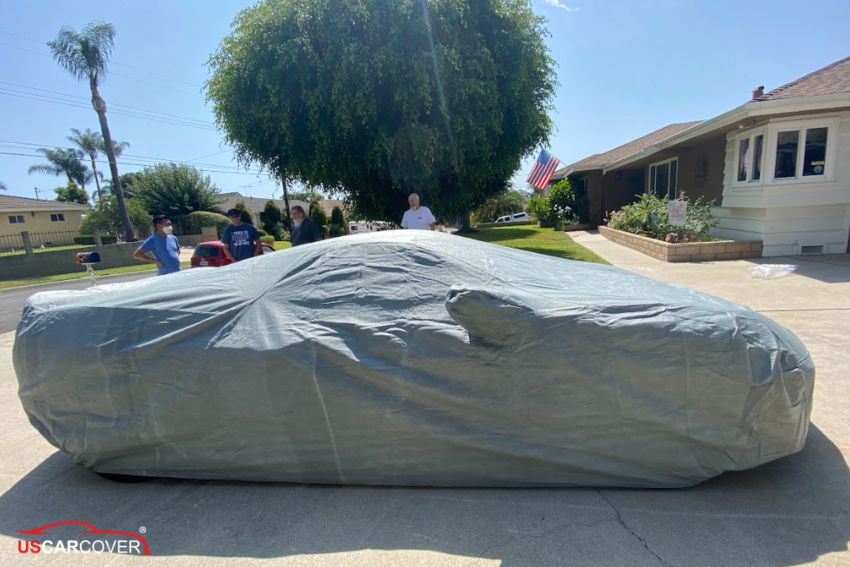
The question of: How to prevent scratches when using a car cover? has a clear answer. Scratches are not the fault of using a cover, but the fault of using it the wrong way and using the wrong cover. A Classic American Car or a new pickup truck both deserve the best protection. By choosing a high-quality US car cover with an absolute fit and adhering to strict cleaning procedures, you are not just shielding the car from dirt; you are preserving a work of art, a friend, and a valuable asset.
