
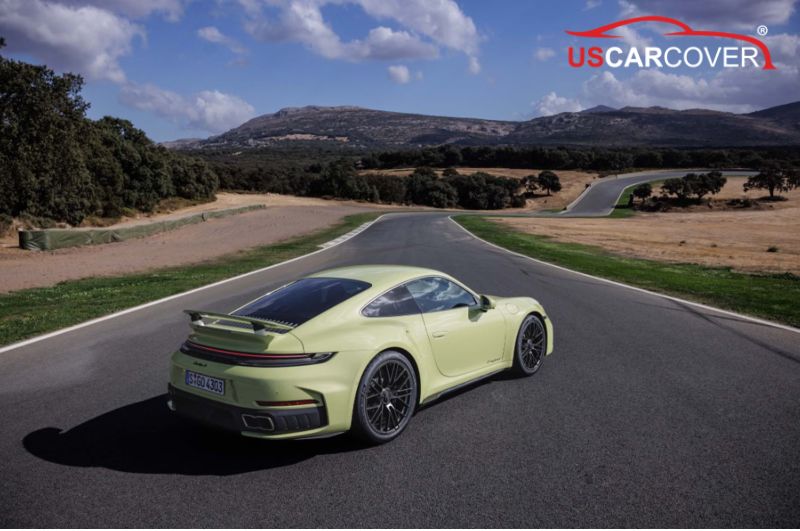
2026 Porsche 911 Turbo S is Porsche’s flagship performance machine, upgraded comprehensively in both technology and power. With an all new T-Hybrid system and two electrically assisted turbochargers, the 2026 Turbo S reaches an astonishing 701 horsepower, which is 61 horsepower more than the previous generation. The car can sprint from 0 to 60 mph in about 2.4 seconds and reaches a top speed of 200 mph (around 322 km/h). In this review, you and I will walk through the key new features of the 2026 Turbo S first, then compare it with the 911 GT3. From there, we will see whether this “fastest 911 ever” is actually more fun than its purist, track focused sibling.
Related Articles: 2026 Nissan Pathfinder Review: Are comfort, safety and ownership costs worth it?
What is new and special on the 2026 Porsche 911 Turbo S
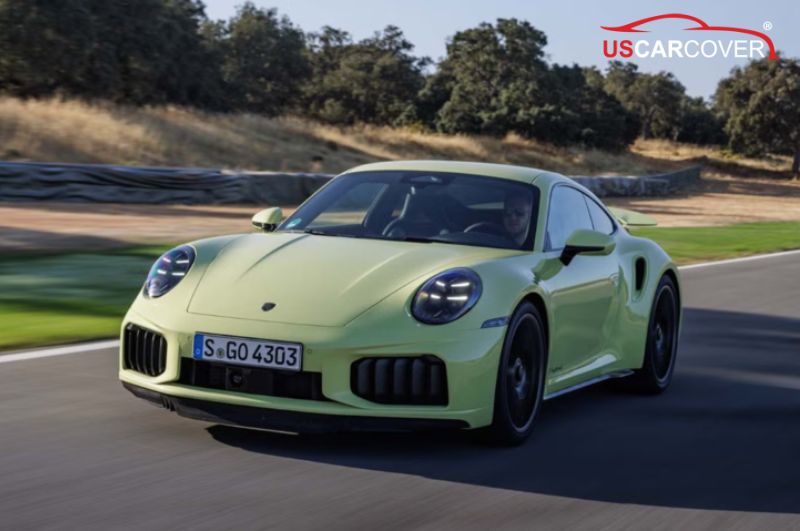
Porsche unveiled the new generation 911 Turbo S at the 2025 IAA Munich show with a series of major upgrades. The biggest change is the T-Hybrid system. For the first time, the 2026 Turbo S uses two turbochargers with integrated electric motors that help cut turbo lag and recover energy. The new engine is a 3.6 liter flat six, developed alongside the Carrera GTS unit, instead of the previous 3.7 liter. Thanks to this setup, total system output is 701 horsepower (523 kW) and 590 lb ft of torque (about 800 Nm) over a very broad band from 2,300 to 6,000 rpm. Peak power arrives between 6,500 and 7,000 rpm, while the GT3 only reaches 502 horsepower at 8,400 rpm.
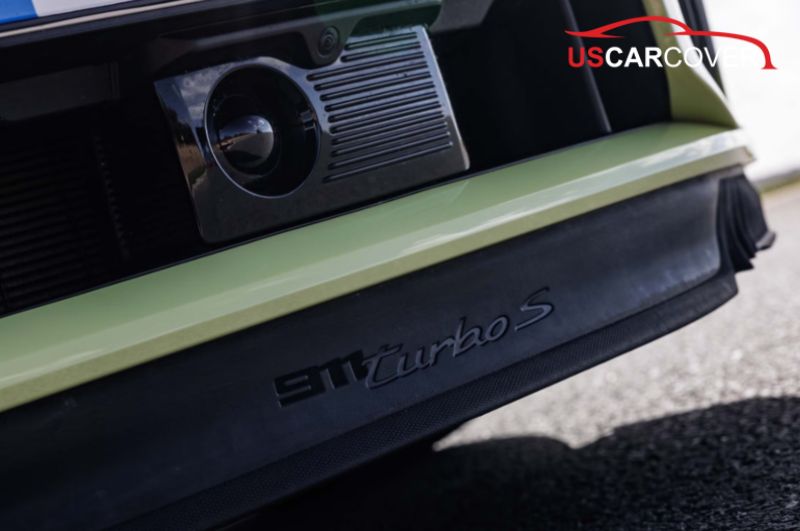
- Maximum power: 701 horsepower.
- Maximum torque: 590 lb ft from 2,300 to 6,000 rpm.
- Acceleration: 0 to 60 mph in about 2.4 seconds according to Porsche, and close to 2.0 seconds in independent testing.
- Top speed: 200 mph (around 322 km/h).
Compared with the previous Turbo S, performance improves clearly. The car is around 14 seconds quicker around the Nürburgring (with a lap of 7:03.92), and its 0 to 60 mph time is 0.2 seconds faster. Even with significantly more power, the 2026 Turbo S still keeps the smoothness and everyday usability that Porsche emphasizes as making this “the most complete and versatile 911” yet.
Related Articles: 2026 Nissan Armada NISMO Review: What Does It Offer Over the Regular Armada?
Engine and T-Hybrid technology
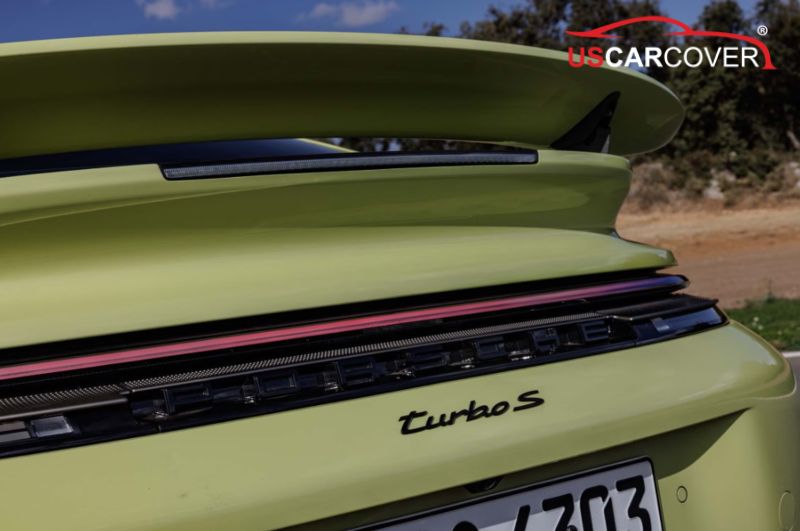
The new 3.6 liter engine in the 2026 Turbo S combines traditional turbocharging with cutting edge electrification. The twin e turbo system appears on the Turbo S for the first time. Each turbocharger houses an electric motor that can spin the compressor up quickly, delivering high boost pressure (about 26.1 psi) and speeds of up to 145,000 rpm. All of the engine’s “accessories” such as the water pump, air conditioning and power steering now run off a 400 volt electrical system instead of traditional belt drives. This reduces parasitic losses and frees up more power at the crank. A compact 1.9 kWh lithium battery mounted at the front of the car supplies energy for the electric turbos and the small traction motor integrated into the transmission. Thanks to this design, the new Turbo S can run at a clean air fuel mixture across the rev range, delivering both strong performance and reduced emissions.
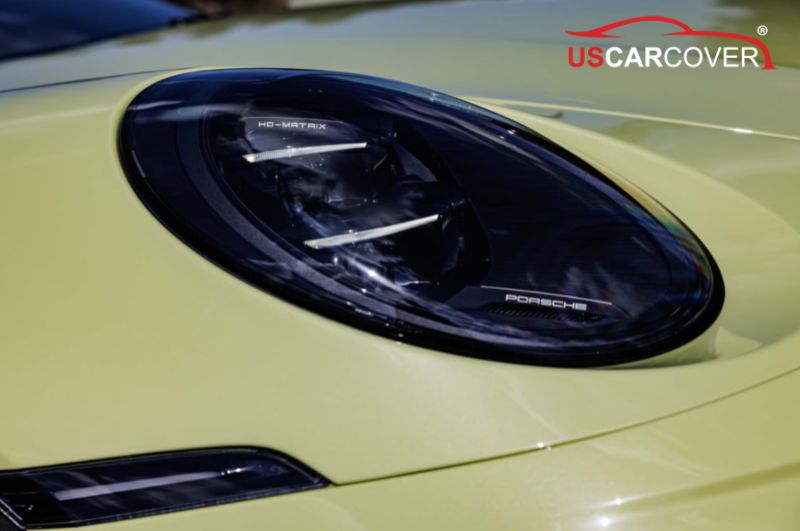
Key technical highlights of the 2026 Turbo S.
- Engine: 3.6 liter T-Hybrid flat six, twin turbocharged, with a compression ratio of 9.2:1.
- Power: 701 horsepower at 6,500 to 7,000 rpm.
- Torque: 590 lb ft (about 800 Nm) at 2,300 to 6,000 rpm.
- Transmission: 8 speed PDK dual clutch with an integrated electric motor (around 80 horsepower).
- T-Hybrid battery: 1.9 kWh, self charged, not a plug in hybrid.
So the 2026 Turbo S is not just impressive “on paper”, it also uses real, high end technology. This allows the car to launch off the line with brutal punch yet remain smooth when cruising normally, something a pure gasoline GT3 cannot match.
Related Articles: 2026 Toyota Cross Review: Should You Choose Gas or Hybrid for U.S. City Driving?
Suspension and chassis equipment
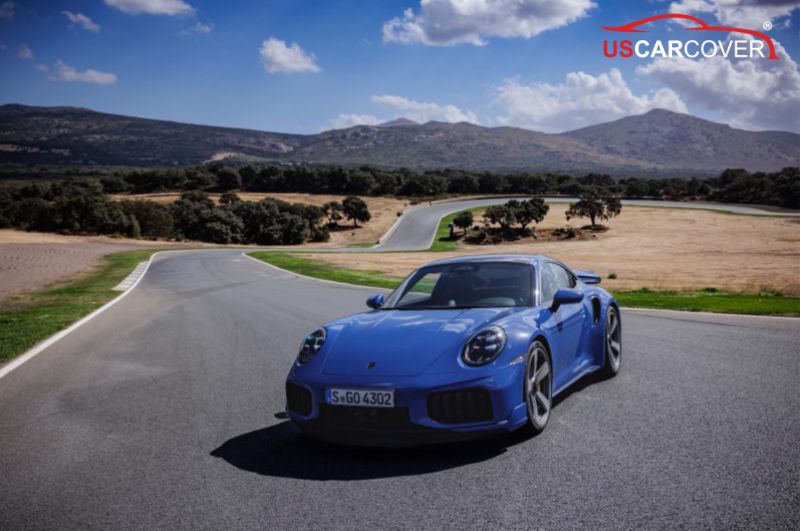
To keep that enormous power under control, the 2026 911 Turbo S receives significant chassis upgrades. As standard, the car uses PASM adaptive dampers with revised spring and damper rates to balance the extra 82 kg of mass added by the hybrid system. If you select the Sport chassis package, the car rides lower by about 12 mm and gains stiffer tuning, giving a more aggressive stance while remaining acceptable for longer road trips.
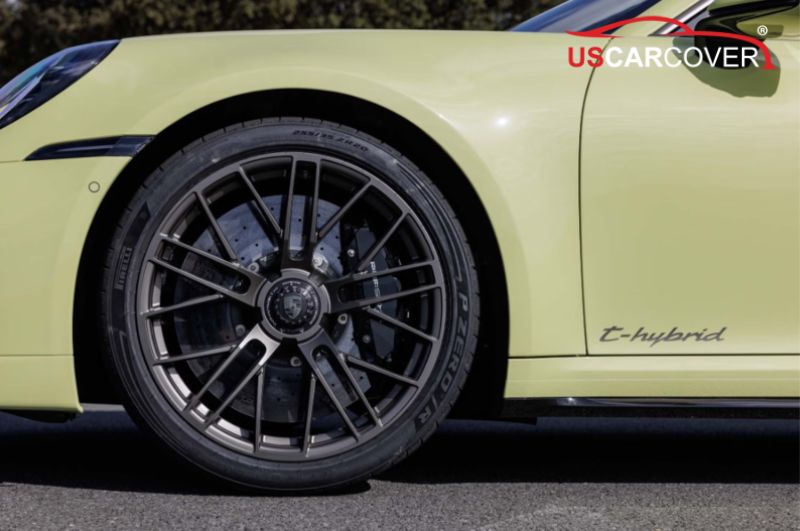
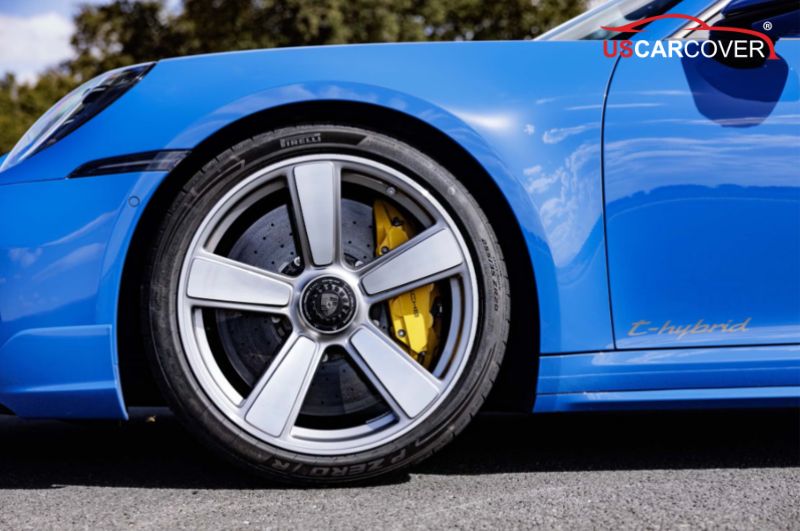
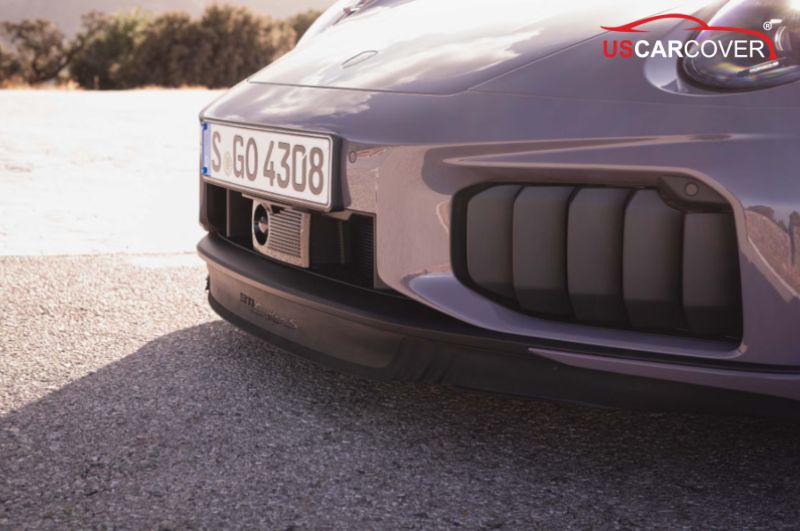
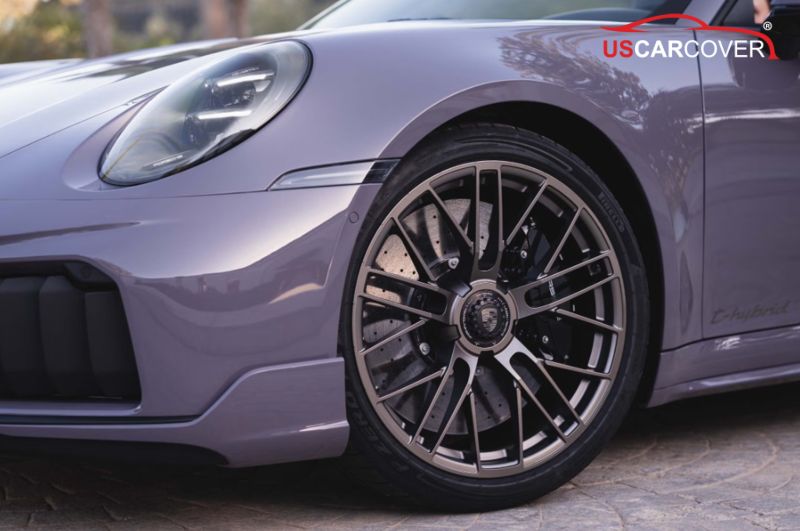
- Brakes: The largest carbon ceramic brake package ever fitted to a 911. The front discs measure about 16.5 inches in diameter, and the rears 16.1 inches, roughly 1.2 inches larger than the previous generation. This is described as the most comprehensive carbon ceramic brake system ever on a 911, ensuring powerful, consistent stopping even when the car is heavier and more powerful.
- Tires and wheels: Rear tire widths increase to 325/30ZR21 (up from 315/30), boosting traction during hard acceleration at high speeds. The rear wheels are 21 inches in diameter, while the fronts are 20 inches (9.5Jx20 at the front and 12Jx21 at the rear) to properly accommodate the larger rubber.
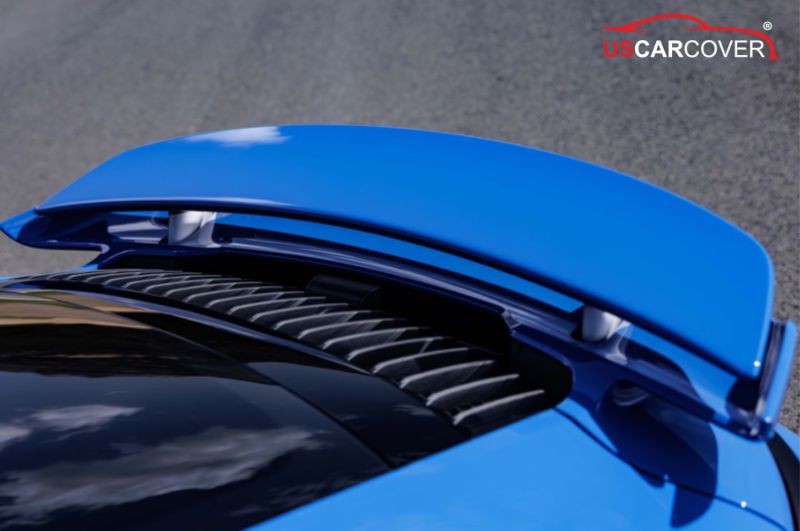
- Body control: The 2026 Turbo S uses a new electro hydraulic PDCC (ehPDCC) active anti roll system. The anti roll bars are driven by electric actuators, reacting faster to reduce body roll in corners. Combined with a retuned electric power steering system, the car corners flatter and feels more stable without becoming nervous.
- Chassis structure: The car still uses double wishbones at the front and a multi link setup at the rear, but incorporates more motorsport derived parts, such as stiffer braces and CNC machined components, to raise stiffness while still allowing some compliance on imperfect roads.
In short, the 2026 Turbo S has a carefully reworked chassis and suspension that preserve comfort for highway and city driving, while being firm and precise enough to handle high lateral forces and serious speed. Striking a balance between a street car and a track tool is Porsche’s main goal here, so that the Turbo S can be luxurious on weekdays and wild on weekends.
Related Articles: 2026 Toyota Land Cruiser Century Review: Ultra luxury SUV above even Lexus, what is different?
Driving experience in the Porsche 911 Turbo S
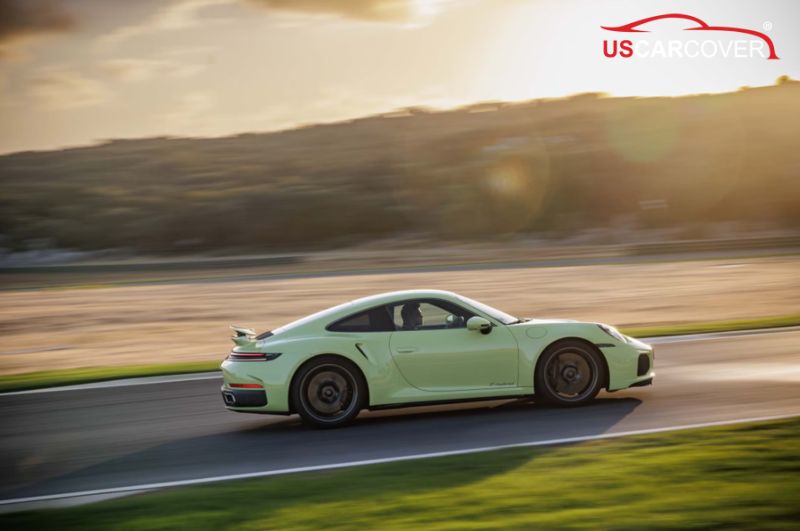
When I got behind the wheel of a 2026 911 Turbo S Cabriolet on a test route, my first impression was simple: this thing is savage. Activate Launch Control, hold the brake and throttle, then release. The car rockets forward like a missile, pinning your back into the seat with violent force. The combination of strong longitudinal G from the acceleration and lateral G over bumps and curves can literally make you let out a laugh from sheer excitement. Throughout the drive, the Turbo S feels incredibly stable. The huge carbon ceramic brakes with special heat dissipating backing plates provide very strong, confidence inspiring braking even at high speeds. The system can send up to about 368 lb ft of torque to the front axle when needed, and the all wheel drive with rear wheel steering and sport tuned PASM make the car feel very much in your control.
When you push hard into a corner, the engine bellows and the car clings to the tarmac as if there was an invisible safety net supporting it. Turn the stability systems off, and the Turbo S can still be coaxed into gentle, controllable slides that keep the experience entertaining rather than scary. Reviewers have described the new Turbo S as combining “superior acceleration and handling that borders on addictive.” That matches my own impression. The car can play the role of a comfortable, wide, easy to drive street car, yet transform into a serious performance weapon the moment you dig deeper into the throttle. In real world driving, the hybrid system is so seamless that you would hardly notice you are in a hybrid at all.
In summary, the 2026 911 Turbo S delivers a very versatile and impressive driving experience. It glides down boulevards with luxury and comfort, but at the tap of your right foot it becomes a full on race machine. That is why many enthusiasts consider the Turbo S a “true supercar” rather than just another 911.
Related Articles: Is the 2026 Toyota Hike Cruze 6x6 Camper Real or Not?
Comparing the 911 Turbo S and the 911 GT3
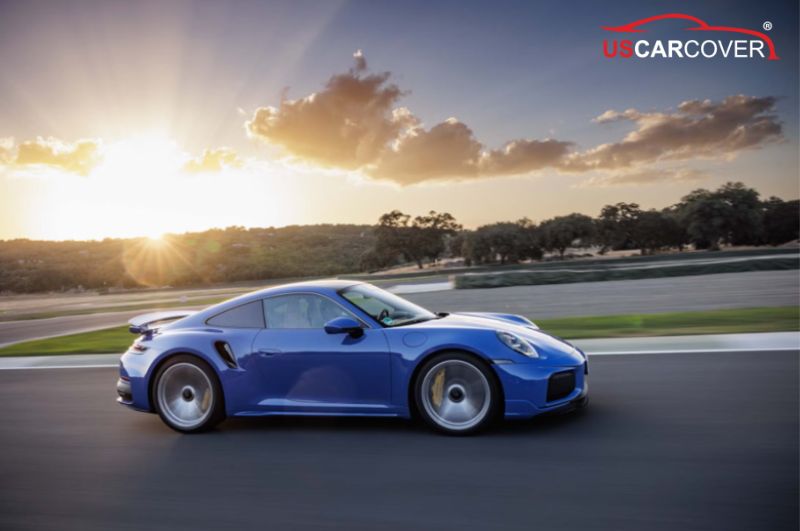
Now let us compare the Turbo S with the 911 GT3, Porsche’s true road legal track car, to answer the question: faster, but more fun?
The latest GT3 (992.2 generation) uses a naturally aspirated 4.0 liter flat six that produces 502 horsepower at 8,400 rpm and 346 lb ft of torque at 6,100 rpm, spinning all the way to a 9,000 rpm redline. This engine is famous for its ferocious character and thrilling sound, but its power and torque are nowhere near those of the Turbo S.
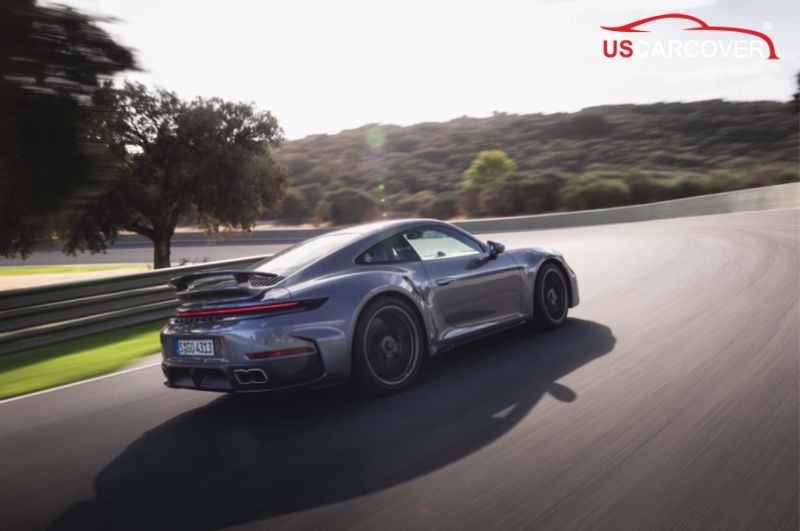
More specifically:
- Power and acceleration: The Turbo S has 701 horsepower, while the GT3 has only 502 horsepower. So the Turbo S is much quicker in a straight line. It covers 0 to 60 mph in roughly 2.4 seconds, while the GT3 with PDK needs about 3.2 seconds.
- Drivetrain: The 2026 Turbo S features all wheel drive that sends power to all four wheels, especially helpful in corners and during full throttle launches. The GT3 is traditional rear wheel drive, sending power only to the rear axle.
- Weight: The Turbo S is heavier because of the hybrid system and all wheel drive, weighing around 1,736 kg in coupe form. The GT3 is around 1,420 kg. That roughly 300 kg difference makes the GT3 more agile and tossable, but it also means it lacks some of the high speed stability of the Turbo S.
- Suspension and handling: The GT3 is built as a road going race car, with very stiff suspension, a low ride height and a big fixed rear wing (especially in GT3 RS form). The Turbo S uses adaptive suspension, balancing firmness and comfort with an active wing rather than a giant fixed one. In other words, the GT3 feels more “connected” and raw on track, while the Turbo S feels smoother and easier to manage on public roads.
- Emotional feel: The most attractive aspect of the GT3 is the sound of its naturally aspirated engine and the extremely direct feedback from the road. The Turbo S is quieter and more reserved during normal driving. If you love an adrenaline filled feeling every time you floor the throttle and hear the engine scream, the GT3 may excite you more. If you prioritize pure power and cutting edge technology, the Turbo S has a clear advantage.
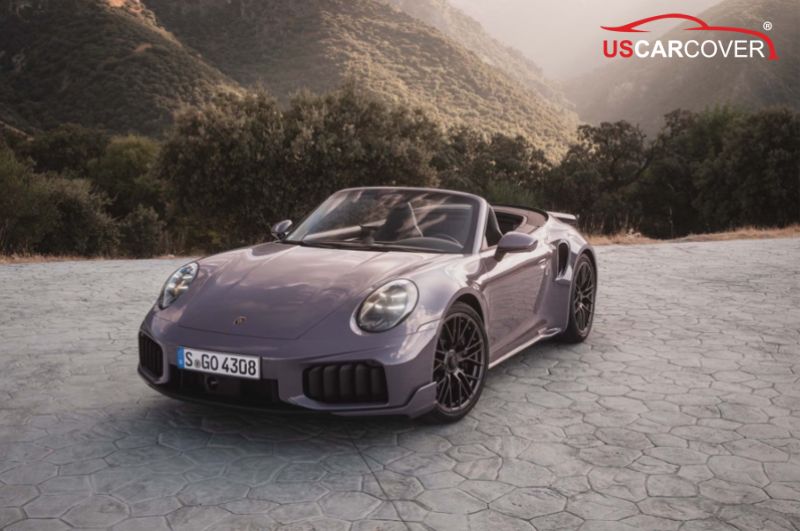
To make it easier to visualize, we can summarize:
- Turbo S 2026: 701 horsepower, hybrid twin turbo, all wheel drive, about 0 to 60 mph in 2.4 seconds. Fully loaded with high end features, extremely fast and very sophisticated.
- GT3 992 (2023 to 2025): 502 horsepower, 4.0 liter naturally aspirated, rear wheel drive, about 0 to 60 mph in 3.2 seconds. Purely performance oriented behavior, thrilling engine note, but fewer comfort features.
So the Turbo S is clearly faster than the GT3, while the GT3 is arguably more “fun” for those who chase the most authentic driving feel. In my view, if you want a 911 that can be stylish on the street and still perform on track days, the Turbo S is the more versatile choice. If you want a big exhaust note and the raw twist of a race car, the GT3 preserves the old school spirit of the GT line. In the end, the answer is this: the Turbo S is the fastest, but the GT3 delivers purer joy for people who live for driving.
Related Articles: Comparing the 2026 Corvette ZR1 vs Z06 and E-Ray: Who Is the Real Dominator?
How to protect the 2026 Porsche 911 Turbo S
With a supercar like the 2026 Porsche 911 Turbo S, preserving the exterior and paintwork is extremely important. First of all, you should always park the car indoors or in a garage when possible to avoid dust, direct sun and rain. When you have to leave the car outside, you should use a dedicated car cover. For example, US Car Cover, a well known brand, offers covers tailored to fit the Porsche 911 Turbo S. These covers are thick and durable, water resistant and UV resistant, helping protect the car from sun, rain, bird droppings, airborne dust and light scratches.
In addition, you should wash and service the car regularly, using proper automotive shampoos and waxing the paint on a scheduled basis. Applying paint protection film (PPF) on vulnerable areas is also a good idea. Small accessories like anti scratch door handle guards and high quality floor mats help to keep both the interior and exterior fresh. Combining these measures will help your Turbo S stay in perfect condition, as if it just rolled out of the showroom.
The 2026 911 Turbo S is the ultimate Turbo S so far, the fastest and most technologically advanced version ever. It delivers 701 horsepower, breathtaking acceleration and a full suite of driver assistance and performance systems. However, whether the Turbo S is more “fun” than the GT3 depends entirely on what you want. If you prefer performance and versatility, the Turbo S will not disappoint. If you crave the scream of a naturally aspirated engine and absolute mechanical connection with every shift, the GT3 offers a more distilled thrill. Either way, both cars demonstrate Porsche’s performance heritage. One serves all round needs, the other celebrates pure racing passion.
This 2026 Porsche 911 Turbo S Review shows that the car is the “fastest and most powerful” 911 in history, but whether it truly rules the game or simply wins on speed is a question every driver will answer for themselves. One thing is certain. Whether you choose the Turbo S or the GT3, you are stepping into the world of top tier supercar experiences.
