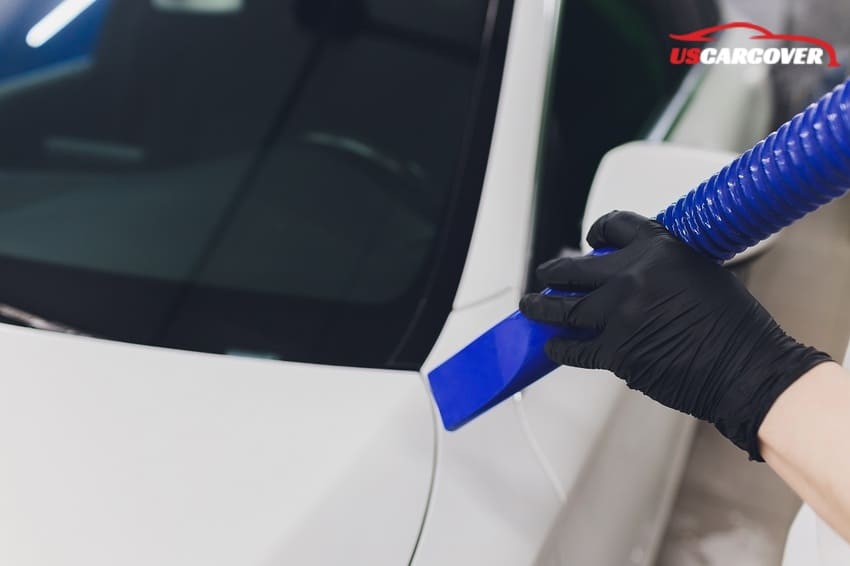
Protecting Your Car Paint starts with knowing what truly causes damage. From years of professional detailing experience, I’ve seen excellent paint finishes ruined not by age, but by UV exposure, air pollution, improper washing, and daily abrasion. Modern automotive paint is thinner and more eco-friendly, which makes the clear coat more vulnerable to fading, oxidation, and fine scratches.
Sunlight weakens paint over time, while road grime, industrial fallout, and brake dust slowly eat into the surface. Even regular car washes can harm paint when done incorrectly, leaving swirl marks and micro-scratches that reduce gloss and shorten paint life. That’s why proper technique matters just as much as how often you wash.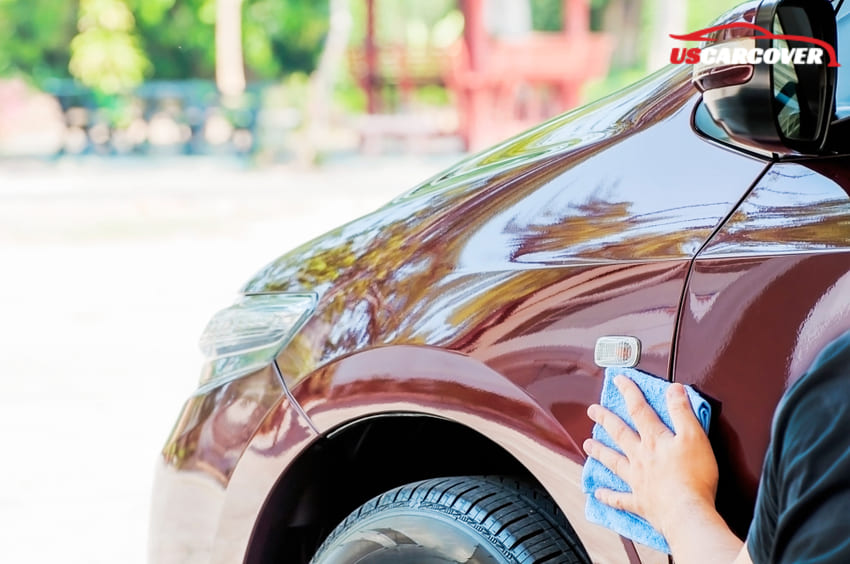
In this guide, I share 10 proven, professional-grade solutions for protecting your car paint, based on real detailing work, not marketing claims. You’ll learn how to wash safely, choose the right protection, prevent environmental damage, and maintain long-term shine. Whether your car is new or well-driven, these steps provide a clear, practical path to keeping your paint clean, glossy, and well-protected for years.
Related posts: 10 Ways Protect Ford Mustang Like New
Wash Your Car the Right Way
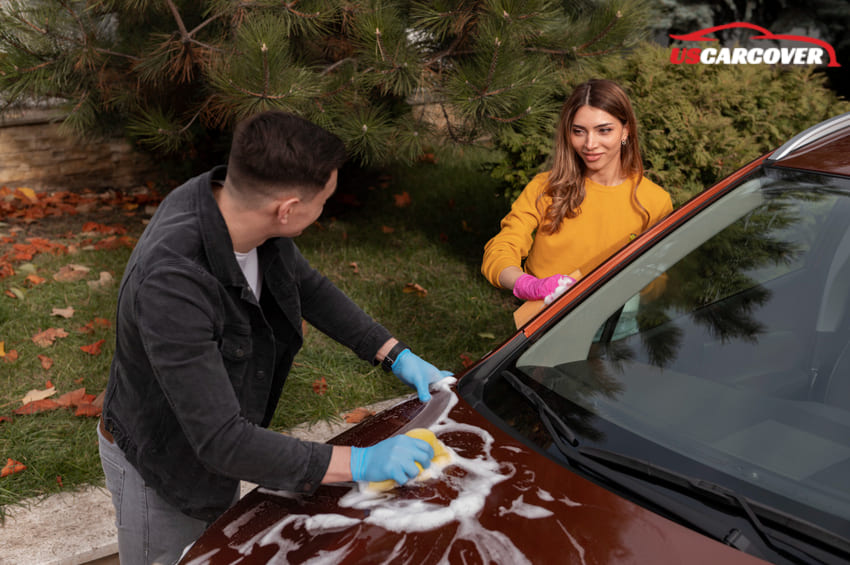
If there’s one habit that forms the foundation of protecting your car paint, it’s proper washing. Most paint damage I encounter doesn’t come from driving-it comes from improper wash techniques.
Using a single bucket, dirty sponges, or household detergents drags grit across the paint, creating swirl marks and micro-scratches in the clear coat. Over time, this dulls the finish and accelerates oxidation.
To wash correctly:
- Use the two-bucket method, ideally with grit guards to trap dirt at the bottom
- Choose a pH-neutral car shampoo designed specifically for automotive clear coat
- Wash from top to bottom using a soft microfiber wash mitt
Avoid dish soap, harsh cleaners, and rough sponges, which strip protective layers and damage paint
Drying Techniques That Prevent Micro-Scratches
Drying is where many people unknowingly damage their paint. Air-drying allows minerals in water to leave spots that etch into the clear coat, while old bath towels are too rough and often trap grit, causing micro-scratches.
From professional detailing experience, the safest option is using high-quality microfiber drying towels. Compared to traditional chamois, microfiber absorbs more water, reduces friction, and lifts remaining particles away from the paint rather than dragging them across the surface.
Proper drying technique
- Use the blotting method: gently place the towel on the paint and lift, instead of dragging it.
- Work from top to bottom and switch towels when saturated.
Pro tip: A light mist of detailing spray while drying adds lubrication and further reduces scratch risk.
Related posts: 5 Common Materials Used to Make Car Covers
Apply Car Wax for Basic Paint Protection
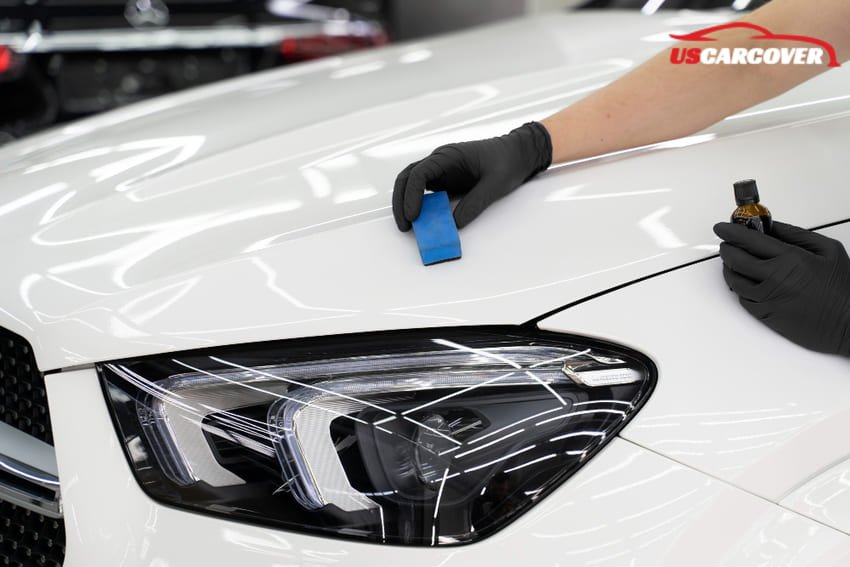
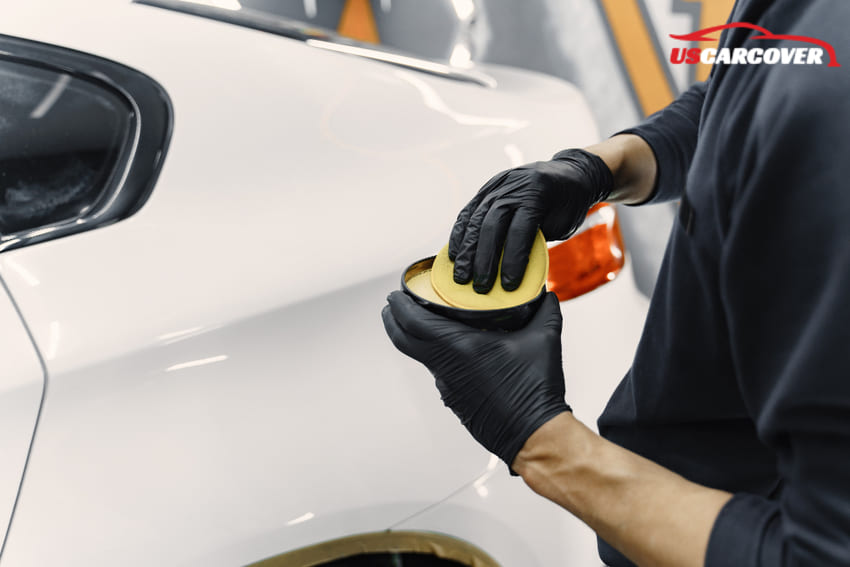
Car wax is often the first step people take toward protecting your car paint, and for good reason. Wax creates a sacrificial layer that provides UV protection, enhances gloss, and promotes water beading, which helps contaminants rinse away more easily.
Carnauba vs. synthetic wax
- Carnauba wax: Produces a deep, warm shine but typically lasts only a few weeks.
- Synthetic wax: More durable and heat-resistant, lasting up to 2–3 months.
Wax is ideal for daily-driven vehicles on a budget. While it requires regular reapplication, it’s affordable, easy to use, and immediately improves paint appearance.
Upgrade to Paint Sealants for Longer Protection
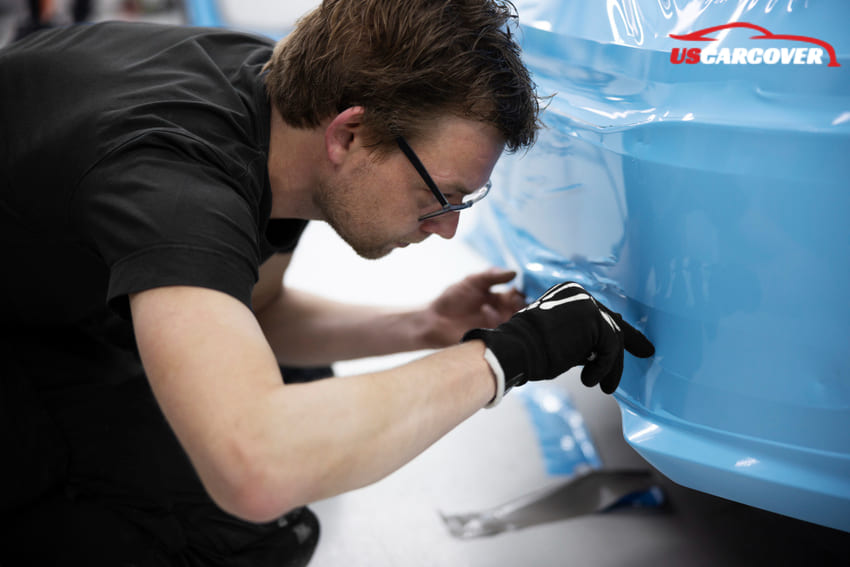
Paint sealants take protection a step further. Unlike wax, sealants are synthetic polymers designed to bond more tightly to the clear coat.
- Durability: 3–6 months
- Stronger resistance to chemicals, UV rays, and heat
- More consistent protection across seasons
In professional practice, sealants are an excellent middle ground between wax and ceramic coatings, offering longer protection without the higher cost or complexity of ceramic applications.
Related posts: Best Car Covers for Snowy Season
Ceramic Coatings for Advanced Paint Protection
Ceramic coatings represent the most advanced option for protecting your car paint long term. They chemically bond to the clear coat, forming a hard, transparent layer.
Key benefits include:
- Exceptional hydrophobic properties
- Strong UV and oxidation resistance
- Reduced dirt adhesion and easier washing
DIY vs. professional ceramic coatings
DIY products are more affordable but typically last 6–12 months. Professional ceramic coatings, while more expensive, can last 2–5 years and offer superior durability. Over time, the reduced maintenance and paint preservation often justify the cost.
Paint Protection Film (PPF) for Impact Zones
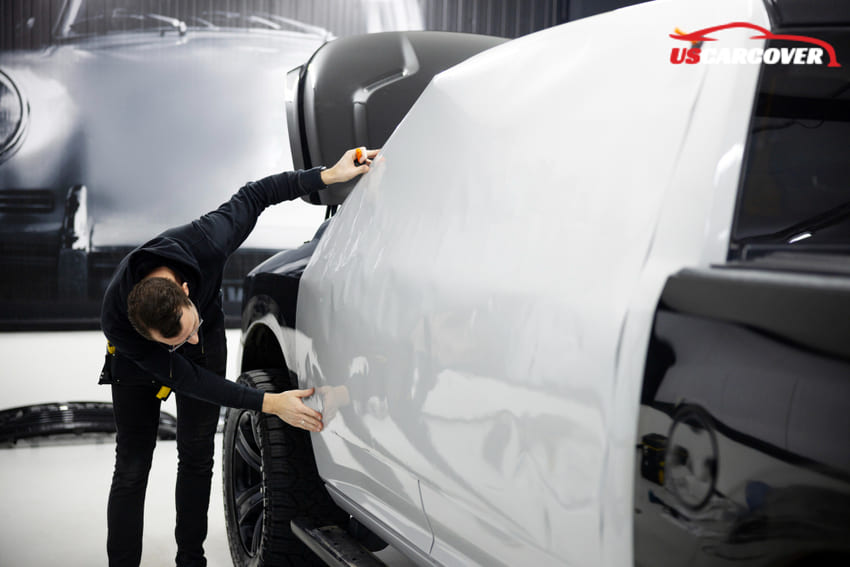
Paint Protection Film (PPF) is a clear, flexible polyurethane film designed to absorb physical impacts that coatings cannot.
Best areas for PPF include:
- Front bumper
- Hood leading edge
- Side mirrors
- Rocker panels
PPF is especially valuable for new vehicles and highway-driven cars, where rock chips and debris are unavoidable. Professional installation is critical to ensure proper adhesion, clean edges, and long-term performance.
Use a High-Quality Car Cover When Parked
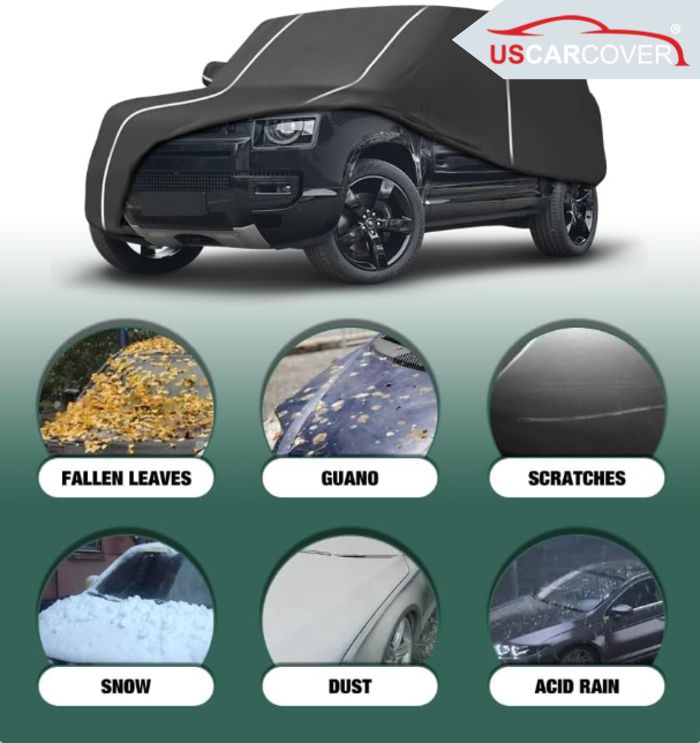
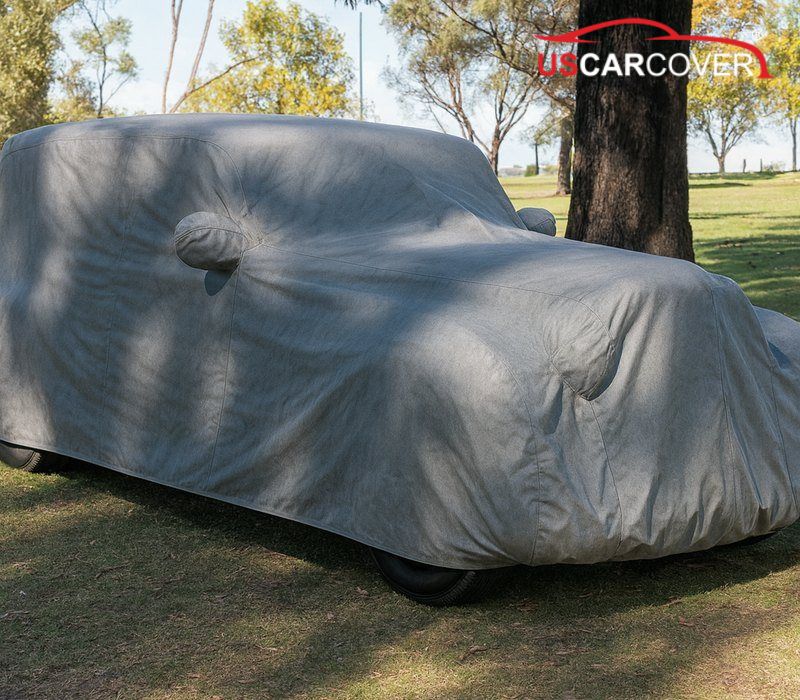
When your car is parked, a high-quality car cover plays a major role in protecting your car paint from environmental damage.
- Blocks UV radiation, dust, bird droppings, and tree sap
- Reduces paint fading and surface contamination
Choosing the right cover
- Indoor covers: Lightweight, scratch-resistant, ideal for garages
- Outdoor covers: UV-resistant, weather-protective, and breathable
Always choose breathable fabrics. Cheap, non-breathable waterproof covers trap moisture, increasing the risk of corrosion and paint damage.
Related posts: Windy Day Car Cover Guide
Smart Parking Habits That Reduce Paint Damage
Where you park has a direct impact on protecting your car paint. Long-term UV exposure is one of the leading causes of paint fading and clear-coat failure. Sunlight breaks down protective layers over time, especially on dark-colored vehicles.
Parking under trees may seem convenient, but it’s risky. Tree sap, bird droppings, pollen, and falling debris are highly acidic and can permanently etch the paint if not removed quickly.
Best parking practices
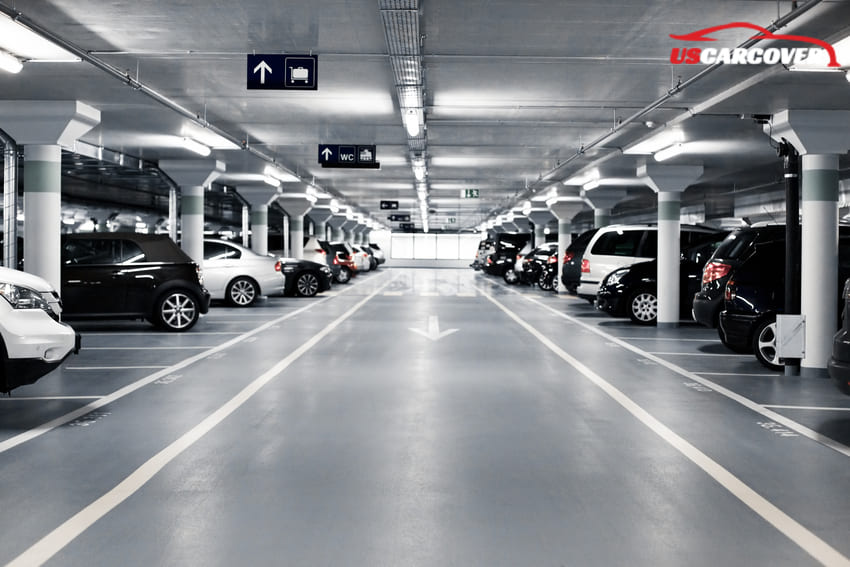
- Covered parking (garage or carport) offers the best protection from UV and environmental fallout.
- Open parking should be avoided when possible, especially during peak sun hours.
- When shade or covered parking isn’t available, a breathable car cover becomes essential to shield the paint from UV rays and airborne contaminants.
Remove Contaminants Before They Etch the Paint
One of the fastest ways to damage paint is allowing contaminants to sit on it too long. Bird droppings, bug splatter, tree sap, and industrial fallout are acidic and can begin etching the clear coat within hours.
Time matters because these substances chemically react with the paint surface, especially under heat. The longer they remain, the deeper the damage becomes—sometimes requiring machine polishing or repainting.
Safe spot-cleaning techniques
- Gently rinse if possible to loosen debris
- Use a soft microfiber towel and light pressure
- Never scrub a dry surface
Professional tip: Keep a quick-detail spray and microfiber cloth in your car. Immediate, gentle removal prevents permanent paint damage.
Related posts: How To Protect Your Eagle: Compact tools that matter in your car
Schedule Regular Inspections & Professional Detailing
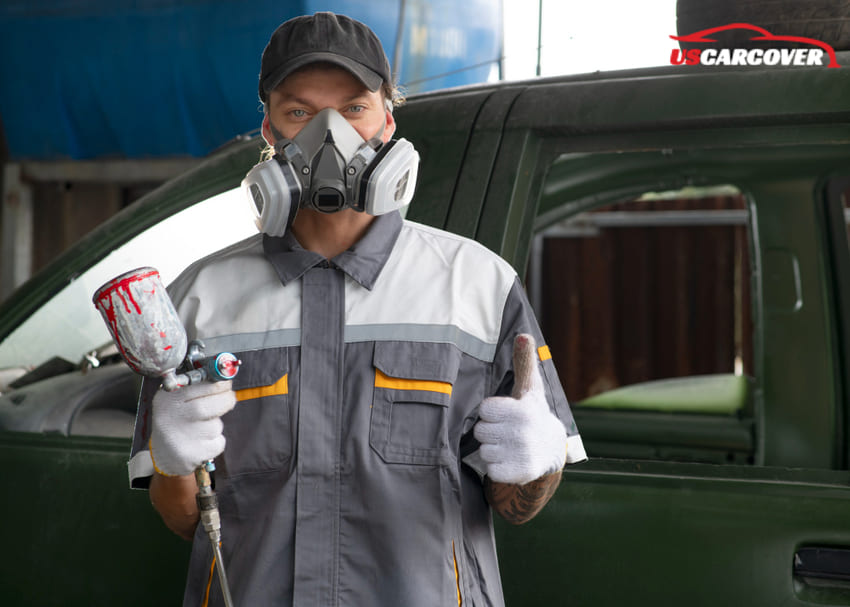
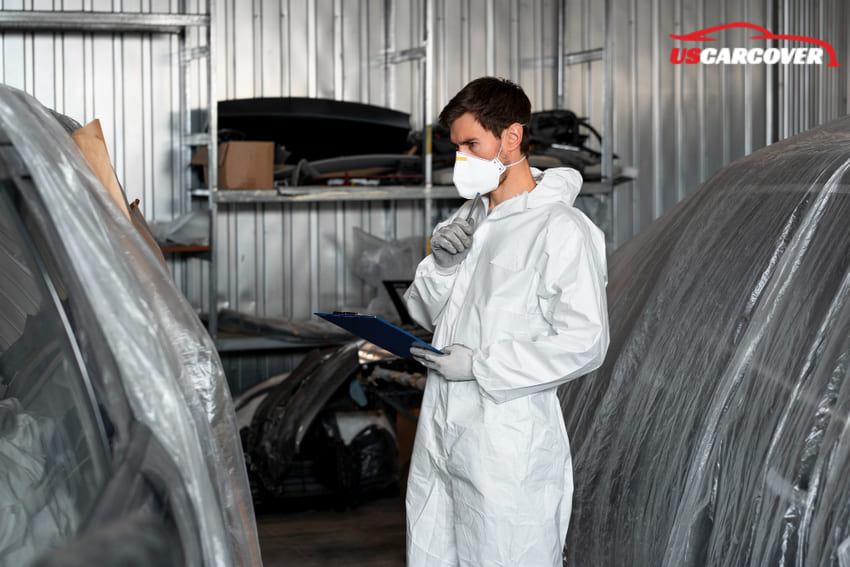
Regular inspections are critical for long-term paint protection. Trained professionals spot issues early—paint chips, oxidation, clear-coat thinning, or seal failure—before they worsen.
Benefits of annual or biannual detailing
- Clay bar treatment removes bonded contaminants\
- Polishing restores gloss and corrects light defects
- Protective layers (wax, sealant, or ceramic) are refreshed
From experience, professionally maintained vehicles consistently retain better appearance and higher resale value. Preventive care always costs less than paint correction or repainting.
FAQ: Protecting Your Car Paint
What damages car paint the most?
UV exposure, improper washing, acidic contaminants, and environmental pollution cause the most long-term damage.
Is ceramic coating better than wax?
Yes. Ceramic coatings last significantly longer and provide superior UV and chemical resistance, but wax is more affordable.
Can car covers scratch paint?
A clean, properly fitted, breathable car cover used on a clean vehicle will not scratch paint. Dirty or non-breathable covers can cause damage.
How often should I protect my car paint?
Basic protection should be ongoing. Wax every few months, inspect regularly, and refresh protection annually.
Is professional detailing worth it?
Absolutely. Professional detailing extends paint life, reduces long-term costs, and improves resale value.