
When you buy a Subaru in the United States, most people think about the AWD traction, the solid chassis, the durable engine and the ability to handle many different weather conditions. But after a few years of living with intense sun, heavy snow or salty coastal air, many owners realize a harsh truth: the Subaru still runs strong, but the body, paint, plastics, chrome and interior have aged faster than expected.
That is when the phrase Subaru car cover starts to appear in your mind. You begin to think the car should have been protected by a proper outer layer from the beginning, so you would not have to look at faded paint, sunburned plastic, stubborn water stains or rust spots along the rocker panels and wheel arches. Especially in harsh climate zones such as the sunny Sun Belt, the snowy Snow Belt and coastal areas with salt in the air, Subaru car cover truly deserves to be considered the “first shield” between your car and the weather.
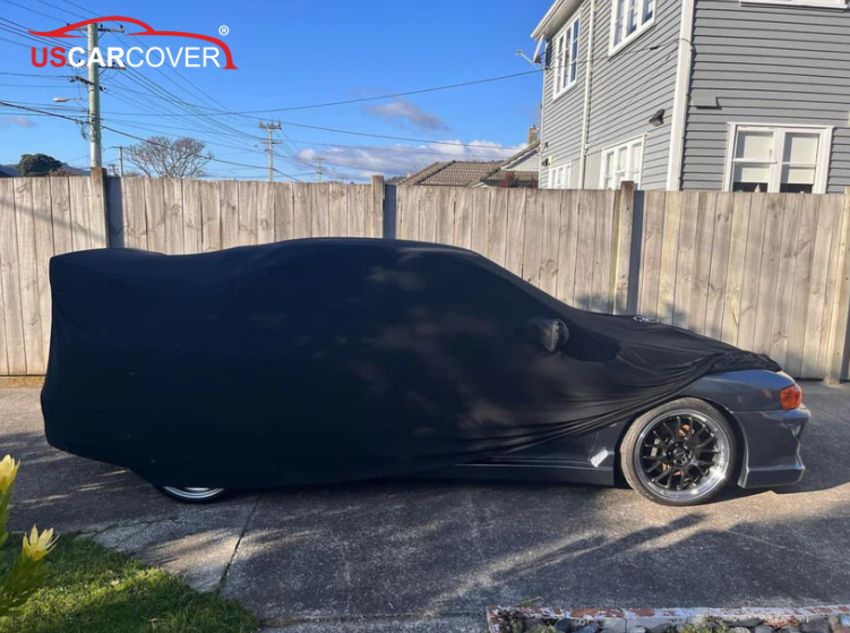
In this article, we will go deep into the very specific pain points Subaru owners face in each climate type, the reasons why a durable car still needs protection from Subaru car cover, and how to select and use a quality Subaru car cover to protect your vehicle for many years to come.
Related Articles: Studebaker car cover: a protection solution for a discontinued brand
Subaru in Sun Belt, Snow Belt and coastal areas: durable, but always standing on the weather frontline
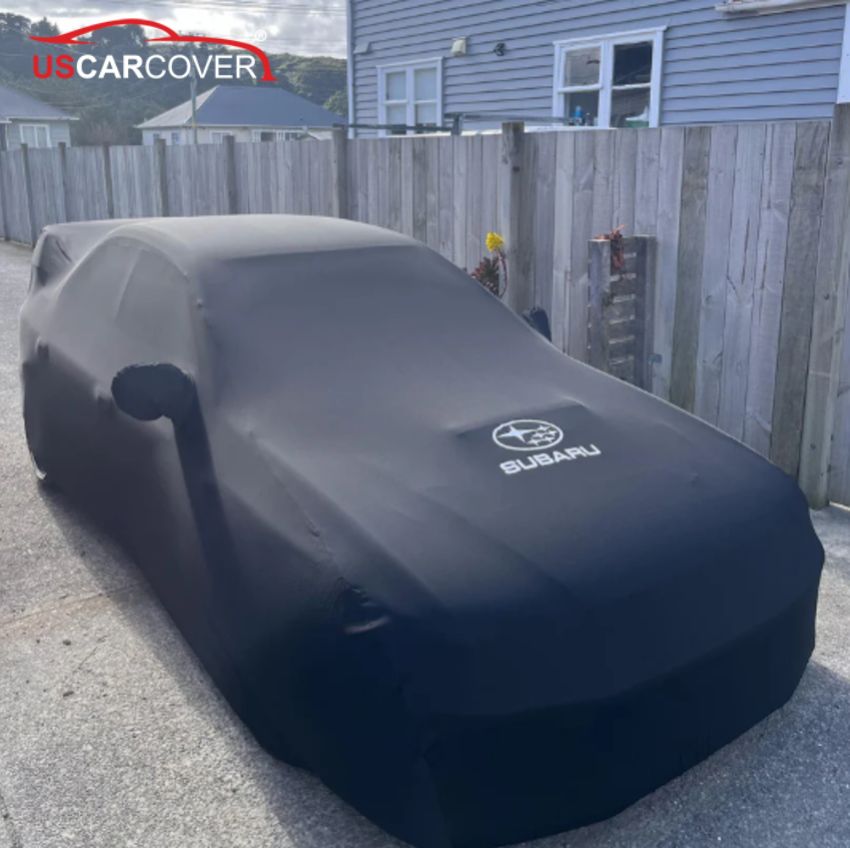
Subaru has long been associated with Outback, Forester, Crosstrek, WRX, Ascent and other models that can handle daily commuting, weekend mountain trips, family camping and driving in rain, snow and on gravel roads. Because of that, a lot of Subaru vehicles in the United States do not live in the “luxury” of closed garages. They are frequently parked outdoors for long hours.
In Sun Belt states, your Subaru might sit in an open parking lot from 9 a.m. to 5 p.m., with the sun hitting the hood and roof almost nonstop. In Snow Belt areas, the Subaru often runs on roads covered with snow and road salt, then gets parked outside with snow, dirty slush and salt sticking to the underbody and wheel wells. On the coast, salty air, ocean breeze and high humidity make every piece of metal on the car age faster.
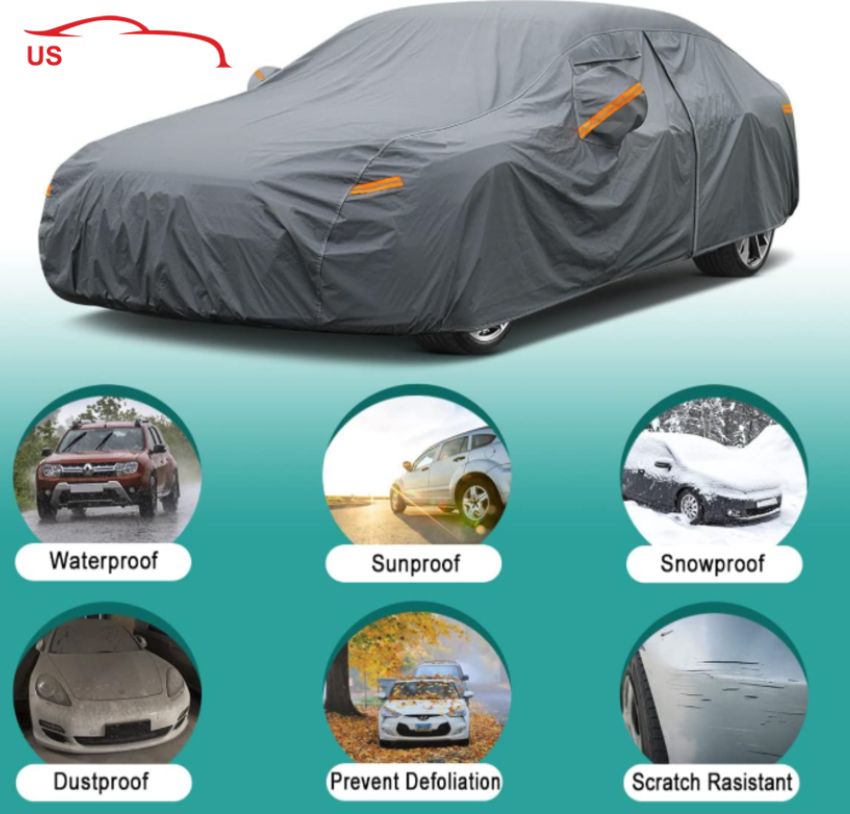
In all those situations, the body, paint, glass, plastics, chrome and interior are what take the first hits. If there is no protective layer, every workday, every misty night, every dust storm or salty wind will leave some kind of mark on the car. Those marks accumulate over the years, and sooner or later you will see that your Subaru looks much older, even though the engine still runs as strong as ever.
Subaru car cover is created to cut down those direct impacts. It does not replace maintenance, car washes or a proper garage, but it acts as the first shield between the weather and the car’s surfaces, allowing the Subaru to “age” much more slowly than if it were left completely exposed.
Related Articles: Singer car cover: preserving vehicle value, covering Singer cars stored long term in the garage
The pain of Subaru owners in the Sun Belt: when heat and UV “burn time” off the car
Imagine a typical day in the Sun Belt. In the morning, you drive your Subaru to an uncovered parking lot. From late morning to mid afternoon, the sun is almost directly over the roof. The temperature on the paint, glass and outer plastics is much higher than the surrounding air. UV rays continuously strike the clear coat, breaking down the surface bonds and slowly stripping the depth and gloss out of the paint.
If you do not use Subaru car cover for a few months, you might not see much difference. But after a few years, the changes become visible. The hood and roof fade more quickly than areas of the body that get less sun. Black plastic pieces around the wheel arches and bumpers shift towards a dull gray. When you wash the car, you notice that water no longer sheets evenly off the paint, but instead clings in patches and streaks.
The interior suffers in a similar way. Every time you open the door after work, a wave of hot air hits you. The smell of heated plastic and leather comes out strongly. You rush to turn on the air conditioning, but the first few minutes are still uncomfortable. After years of this, the dashboard plastics begin to crack, the leather seats dry out and show fine lines, and the steering wheel no longer feels as soft and supple as it did when new.
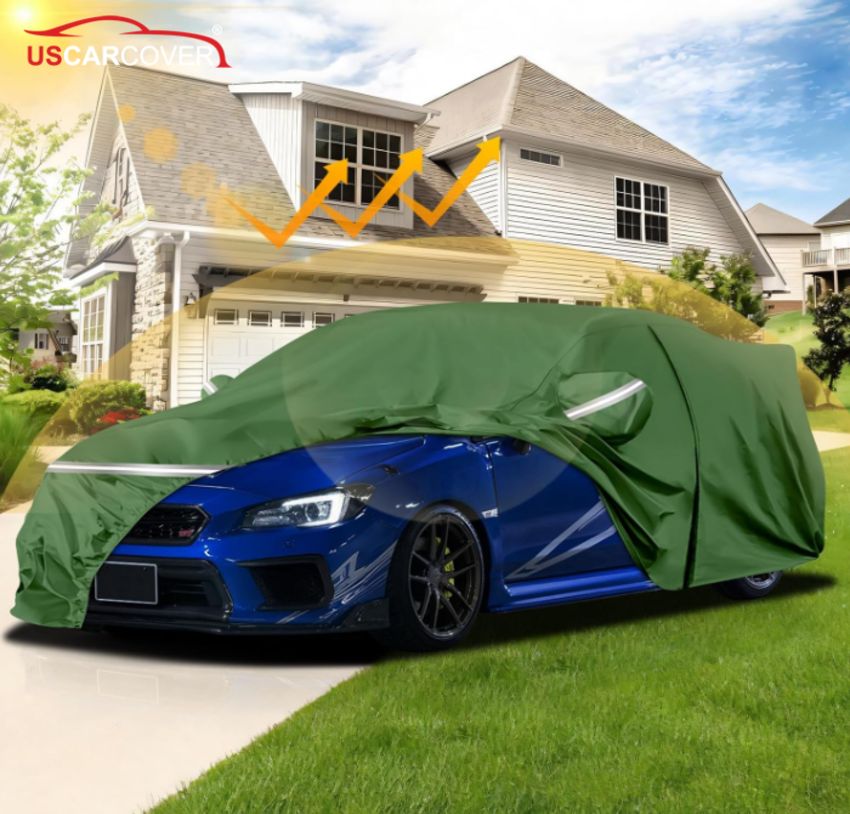
If the car had been covered with Subaru car cover every time it was parked under the sun for long periods, most of the UV rays and heat would have been blocked at the cover. The body underneath would stay cooler, the paint would be less “baked,” and the interior would not be exposed to direct solar radiation. Over time, Subaru car cover helps reduce how often you have to polish the paint, rejuvenate plastics or restore the interior, and the Subaru keeps a fresher look than its actual age.
The unfortunate reality is that many owners only think of Subaru car cover once the car has already begun to show fading and aging, at which point the cost of restoration is clearly far higher than the cost of a cover from the beginning.
Related Articles: Simca car cover: preventing paint fade, rust, and water stains on Simca bodywork
Concerns in the Snow Belt: snow, ice and road salt are not just a winter story

In the Snow Belt, Subaru is almost the default winter companion. But just because the car can drive in snow does not mean it is immune to the damage caused by snow and salt. Every winter, a Subaru parked outdoors constantly has to deal with snow piled on the roof and glass, ice stuck around door gaps, and road salt mixed into slush clinging to the underbody and wheel wells.
If the car is not covered with Subaru car cover, all of that sits directly on the paint and metal for many hours, even days, if you do not have time to wash it. When the temperature rises, the snow melts, but the meltwater usually carries salt and grime down into seams, bolt heads, door sills and weld points. In those narrow spots, moisture is slow to dry, which is the perfect condition for rust to form.
Rust on a Subaru does not appear everywhere at once. It typically starts with small spots. A single stone chip at the edge of a wheel arch, a shallow scratch on a door edge, a weld seam that was not fully protected with paint any of these can become a “starting point.” Once rust has penetrated beneath the surface, it spreads from the inside out. By the time you see it clearly, the metal underneath has already been weakened.
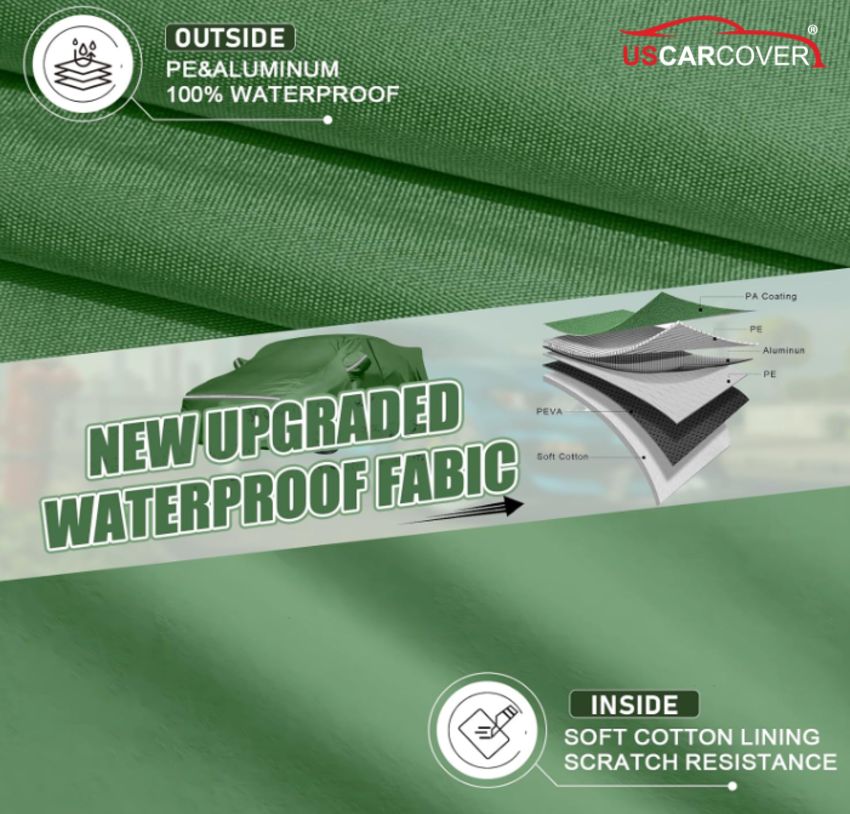
Besides rust, snow and ice also put stress on parts such as wiper arms, rubber seals, antennas and spoilers. Every time you clean off heavy snow without care, you risk bending a wiper or scratching the paint.
If you use Subaru car cover, the first heavy layer of snow sits on top of the cover instead. You can push or sweep snow off the cover before removing it when you need to drive. The body beneath is not buried directly in snow, the amount of time that painted surfaces and metal stay wet is shorter, and most of your snow clearing effort happens on the cover, not on the paint and glass. Over the long term, that is a large difference between a Subaru that has merely “gone through a few winters” and one that has been “damaged by winter.”.
Related Articles: Shelby car cover: the secret of long time Shelby owners to keep their cars from deteriorating
Coastal life and the corrosion problem: Subaru car cover helps reduce salt on the car
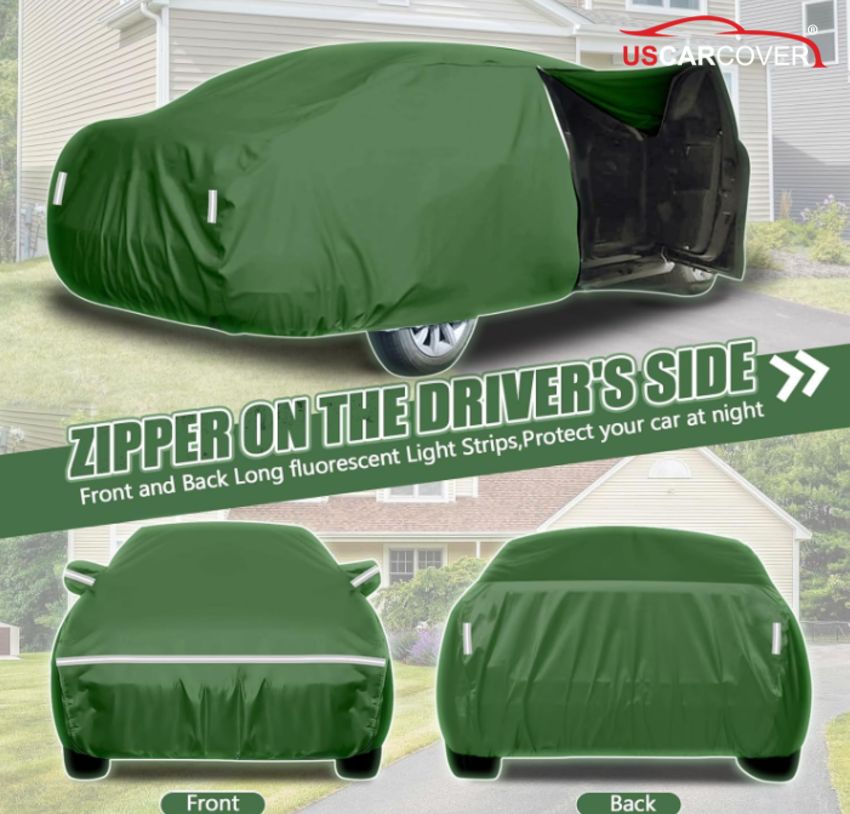
Living by the ocean gives you beautiful views, fresh air and cool breezes. But for a Subaru that has to sit outside, it also means the body always has a thin layer of salt on it. You may not see it, but if you run a hand across the surface after a few days without washing, you can feel the roughness.
Salt in the air is an invisible enemy for metal and chrome. It accelerates oxidation, making good parts age faster and quickly develop spots, haze or rust. Areas such as the bases of windows, door edges, wheel arches and exposed hardware under the car are especially vulnerable.
If your Subaru spends every day parked in the driveway, near the sand or facing the water without Subaru car cover, then every strong wind and every wave driven by onshore wind is another dose of salt sprayed onto the car. You can wash the vehicle often, but between washes salt has plenty of time to work into tight crevices.
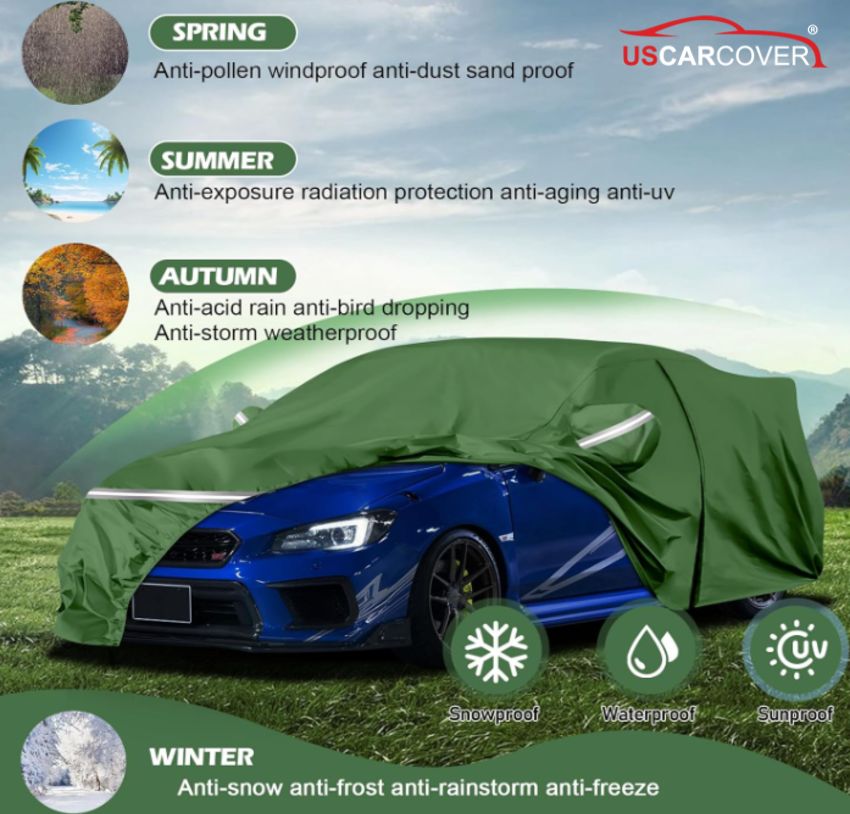
Trapping the car under Subaru car cover in coastal environments is not just about keeping it clean. The cover becomes the first surface that encounters salty air. Every few weeks or by season, you can wash or replace the cover, but the body underneath remains much more intact. Over the years, Subaru car cover helps reduce how frequently you have to deal with rust repair and chrome refinishing, and it helps preserve the car’s resale value compared to exposed vehicles in the same conditions.
Related Articles: Scion car cover: a solution for xB, tC, FR-S that are often parked on the street and in apartment lots
How Subaru car cover works as the first shield: not magic, just simple physics
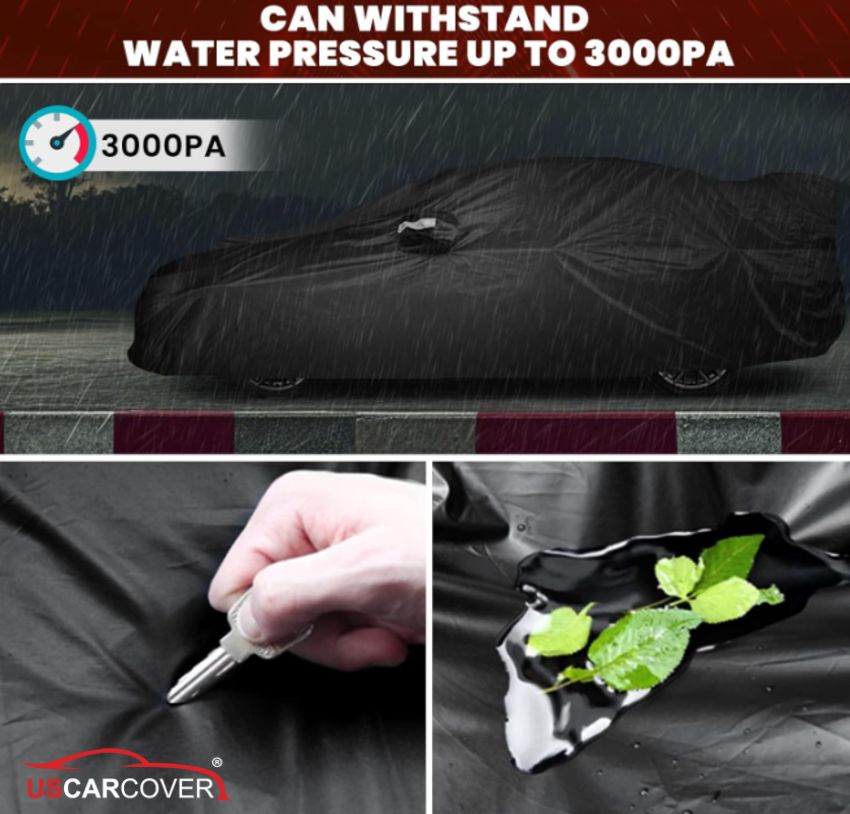
Many people look for “miracle” protection solutions, while in reality most effective measures come from simple principles. Subaru car cover is like that. It does not make the car immortal, but it significantly cuts down the harmful factors at the very first point of contact.
When you put Subaru car cover on, the fabric surface becomes the car’s outer “skin.” Sun, rain, wind, dust, snow, salty air, bird droppings, tree sap and dead leaves all hit, stick to and react with the cover first. The body underneath only has to deal with what makes it past that layer.
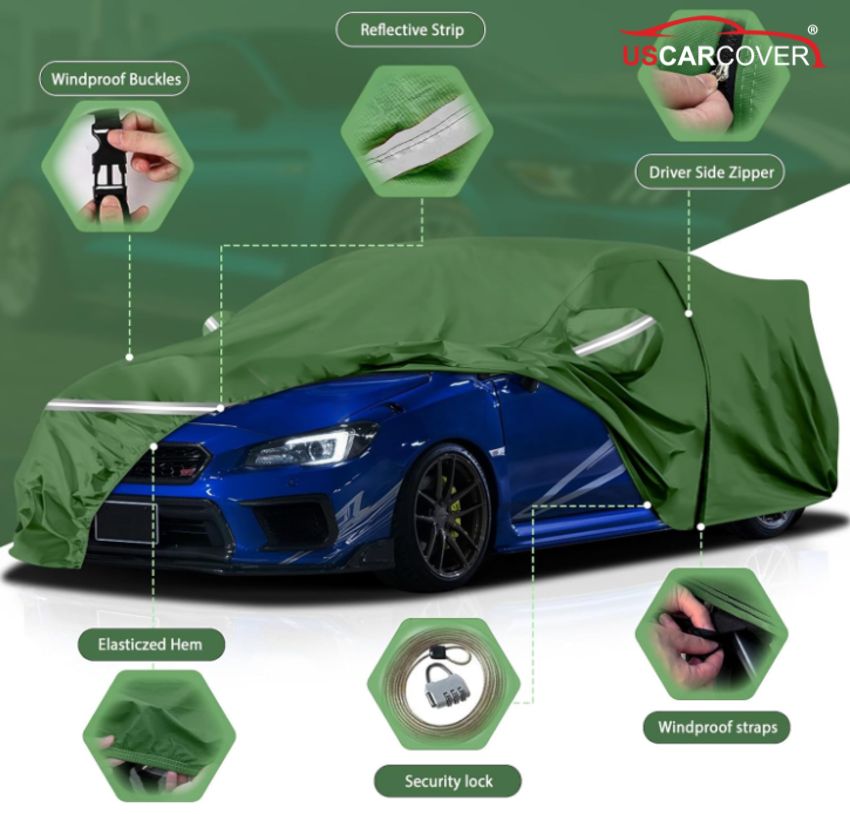
In the Sun Belt, Subaru car cover is designed with an outer surface that reflects light better, reducing the amount of heat and UV that reach the paint. In the Snow Belt, the fabric structure is chosen to resist water and snow while still allowing moisture to escape slowly so the area between the cover and paint does not stay wet. On the coast, the material must withstand salty air without quickly breaking down and should not trap salt so heavily that it becomes a long term source of salt itself.
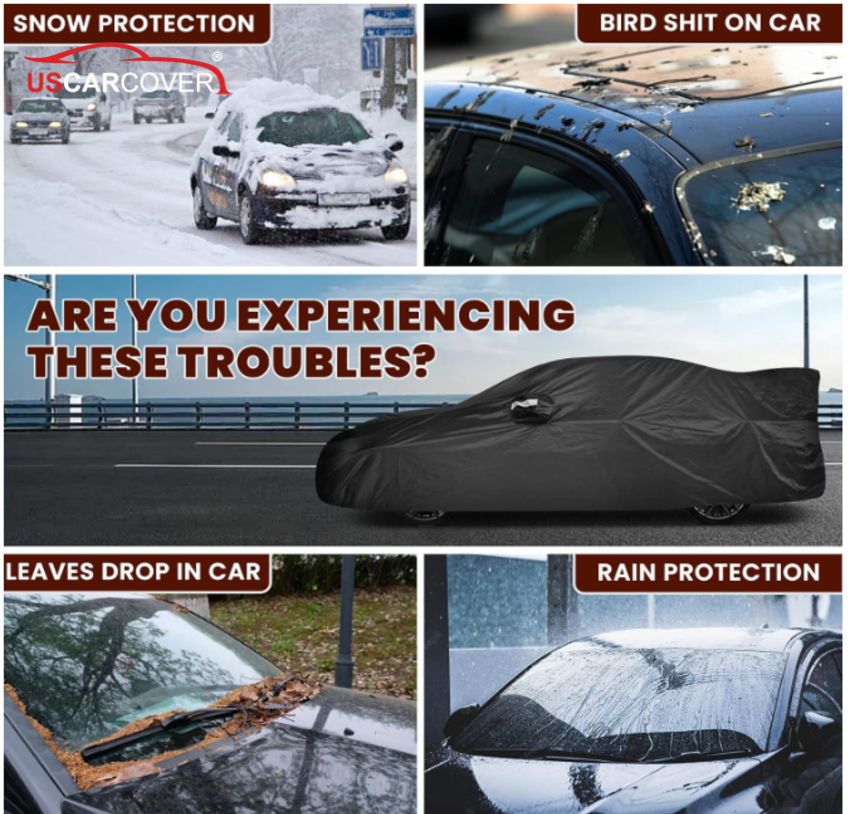
Even more importantly, with Subaru car cover on, everyday bumps in the garage, driveway or parking deck must pass through a soft layer before reaching the paint. A hand resting against the car, a box carried too close, another door opened a little too far all of these impacts are much more likely to leave a mark on the fabric instead of creating a scratch in the clear coat.
All of these protective effects add up over time. After three, five or seven years, the difference between a Subaru that is always “dressed” in Subaru car cover and a Subaru that has been exposed to the same climate without cover is something you can clearly see with your own eyes.
Related Articles: Saturn car cover: protecting your older Saturn daily driver from wearing out too fast
Where to buy quality Subaru car cover that matches your car
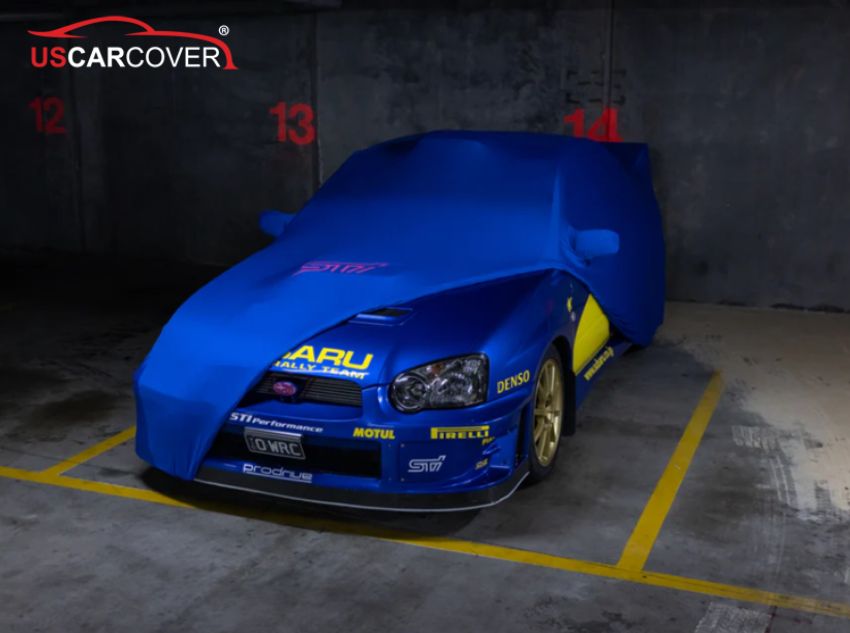
Once you clearly understand the role of Subaru car cover, the next question is choosing a trustworthy supplier. For a Subaru you plan to keep for a long time, using a cheap, unknown cover can be risky. Rough fabric may scratch paint, non breathable materials can trap moisture, and low durability means the cover may tear or deteriorate quickly.
A specialist car cover provider will keep you from having to experiment too much. You need a place that understands the difference between protection in the Sun Belt, Snow Belt and coastal regions and that knows the various Subaru models and how they are used in real life.

Among those options, US Car Cover is a suitable destination when you are looking for Subaru car cover in the United States. Subaru car cover models here are designed based on real dimensions of many popular Subaru models, so the covers fit the body well and minimize excess fabric. Materials are chosen to balance UV resistance, water resistance, breathability and softness that is safe for paint.
When you talk to the team at US Car Cover, you can describe whether you live in the Sun Belt, Snow Belt or a coastal area, how often you park outdoors and your washing habits. From there, they can recommend the Subaru car cover that best fits your needs. This helps you avoid buying the wrong type and having to exchange covers repeatedly.
