Get 15% OFF Storewide | Use Code: USA15
Need help? Toll Free! +1 833-694-0256

Select Your Vehicle
Select Your Vehicle and Cover It!
Select Year
Select Year
Select Make
Select Make
Select Model
Select Model
Please Select Body Below:
X
Select Vehicle Type
Compare Indoor Car Cover and Outdoor Car Cover: Which is Better?
October 07, 2024
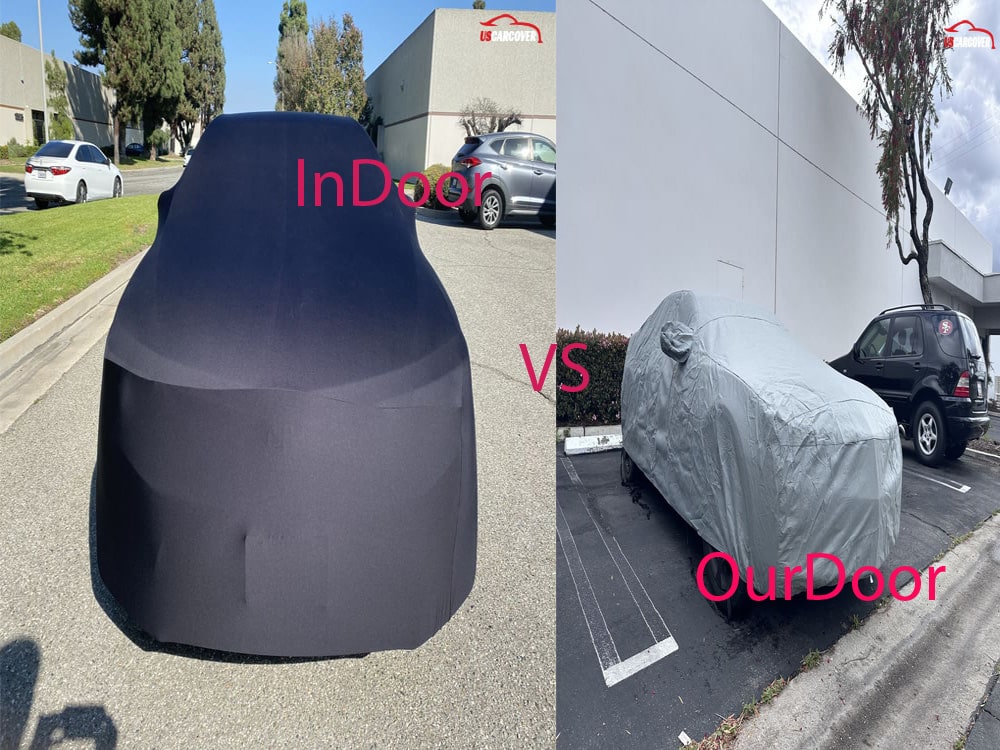
Choosing between an Indoor Car Cover and an Outdoor Car Cover is crucial for protecting your vehicle. Each type is designed for specific conditions, and selecting the right one can extend the life of your car’s paint and finish. While Indoor Car Covers are perfect for safeguarding against dust and light scratches in garages, Outdoor Car Covers offer heavy-duty protection from harsh weather, UV rays, and pollutants. This comparison will help you decide which cover is better suited to your needs, ensuring your car stays in top condition, whether stored indoors or outdoors.
What is an Indoor Car Cover?
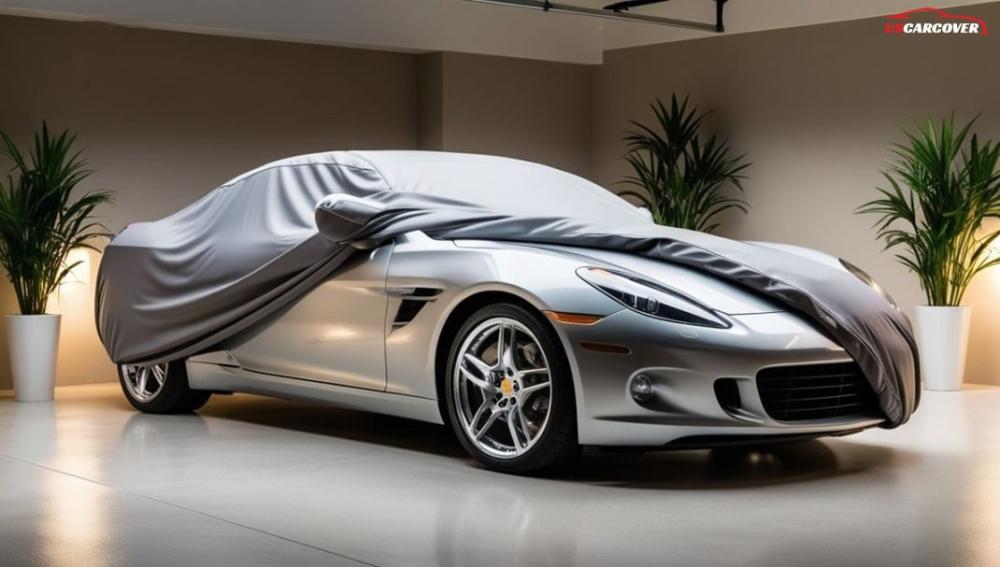
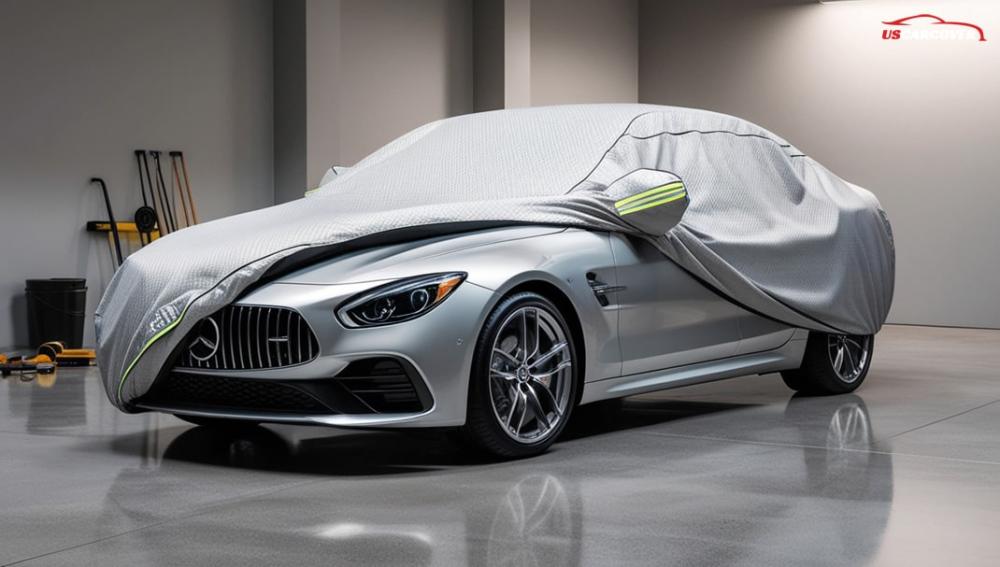
An Indoor Car Cover is specifically crafted to protect vehicles stored indoors, such as in garages or showrooms. Made from soft, lightweight materials like cotton or microfiber, it provides a gentle barrier against dust, dirt, and light scratches that can accumulate over time. Unlike outdoor covers, these are designed without the need for weather resistance, focusing instead on maintaining your vehicle’s pristine finish. Ideal for long-term storage or luxury cars, an Indoor Car Cover is perfect for keeping your vehicle clean and scratch-free while safely sheltered indoors.
Related articles: Do Car Covers Damage the Car's Paint?
What is an Outdoor Car Cover?
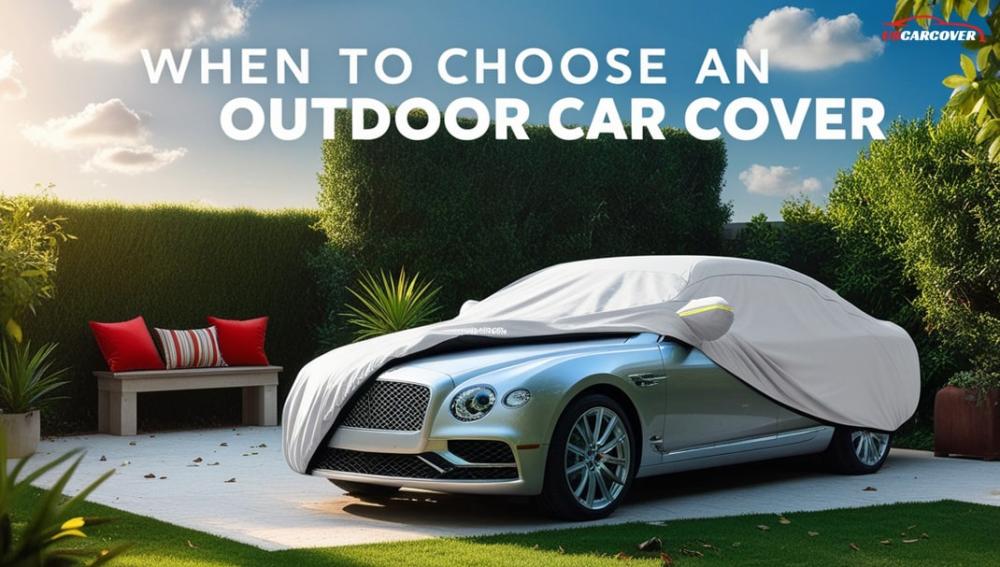
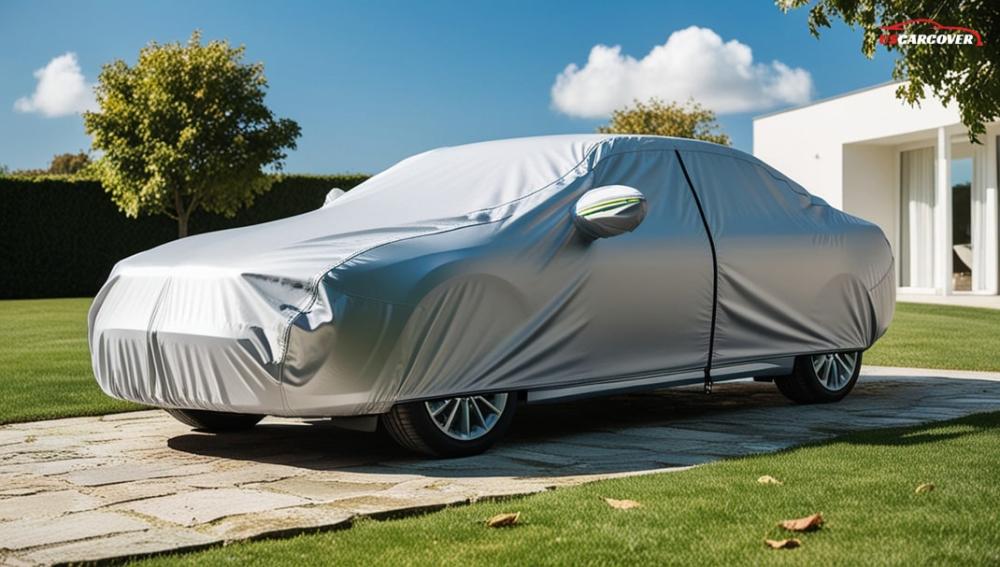
An Outdoor Car Cover is designed to protect vehicles parked outdoors, offering heavy-duty defense against harsh weather and environmental elements. These covers are made from thicker, weather-resistant materials like polyester, PVC, or multi-layered fabrics that provide durability and water resistance. The key benefits of an Outdoor Car Cover include shielding your car from rain, snow, UV rays, bird droppings, and tree sap. Ideal for vehicles parked outside in driveways, streets, or exposed areas, it ensures long-lasting protection, preserving your car’s exterior and paint from damage caused by the elements.
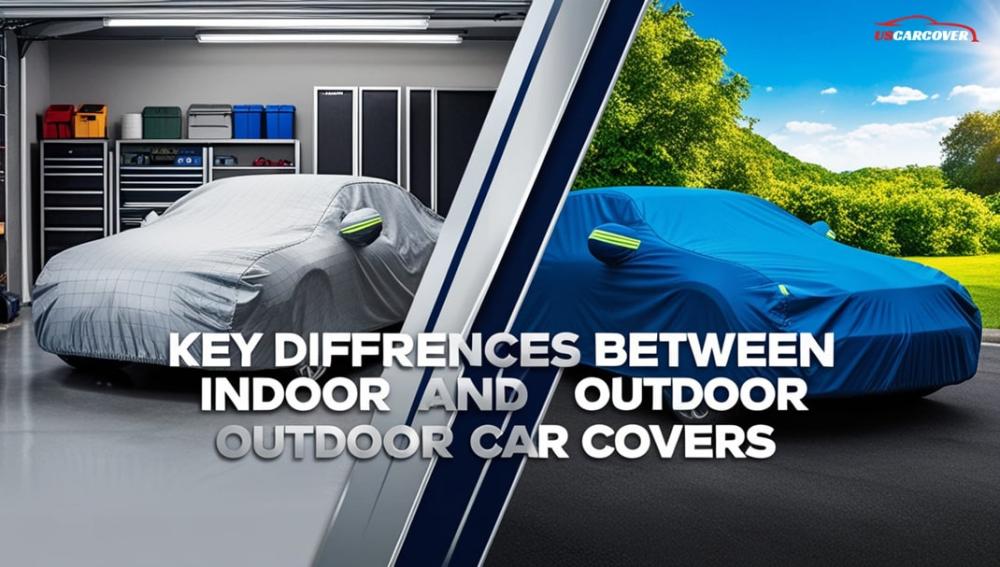
Key Differences Between Indoor and Outdoor Car Covers
-
Material: Indoor Car Covers are made from soft, flexible materials like cotton or microfiber, designed for gentle protection inside a garage. In contrast, Outdoor Car Covers use thicker, weatherproof fabrics such as polyester or multi-layered composites, built to withstand the elements.
-
Protection Level: An Indoor Car Cover focuses on shielding the car from dust, dirt, and minor scratches, perfect for controlled environments. Outdoor Car Covers, however, are engineered to protect against rain, snow, UV rays, and pollutants, providing comprehensive protection outdoors.
-
Durability: Outdoor Car Covers are built to endure harsher conditions, including prolonged exposure to sunlight, rain, and snow. They are more rugged and durable compared to indoor covers, which are suited for more stable, indoor environments.
- ost: Due to their advanced materials and weather-resistant features, Outdoor Car Covers are typically more expensive. Indoor Car Covers are generally more affordable as they offer lighter protection for less demanding conditions.
Related articles: Types of Car Covers: What Are Best for Your Car
When to Choose an Indoor Car Cover
-
Ideal Situations: An Indoor Car Cover is perfect for vehicles stored in garages or storage units where environmental risks are minimal. It’s an excellent choice for long-term storage, ensuring your car remains free from dust, dirt, and minor scratches.
-
Best for Classic and Luxury Cars: If you own a classic or luxury vehicle that requires extra care, an Indoor Car Cover is essential. It provides a soft, gentle barrier, keeping your prized car in showroom condition without the need for heavy-duty protection.